Valorisation des scories de biomasse : planche d’essais premier mix ALBIOM-AG «béton et scories»

ALBIOMA

Présentation du projet

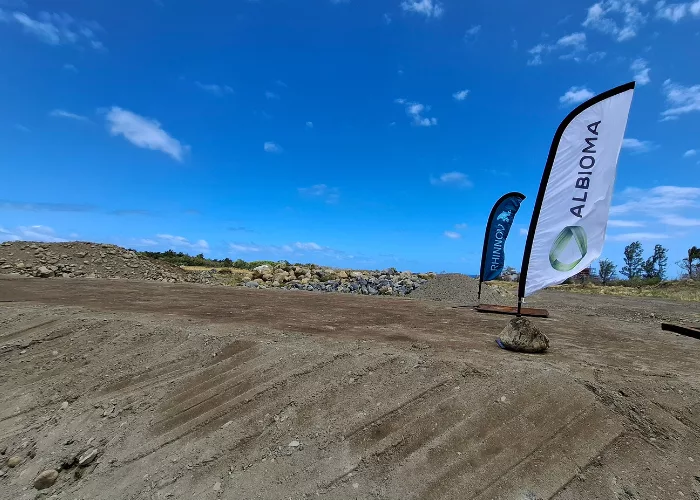
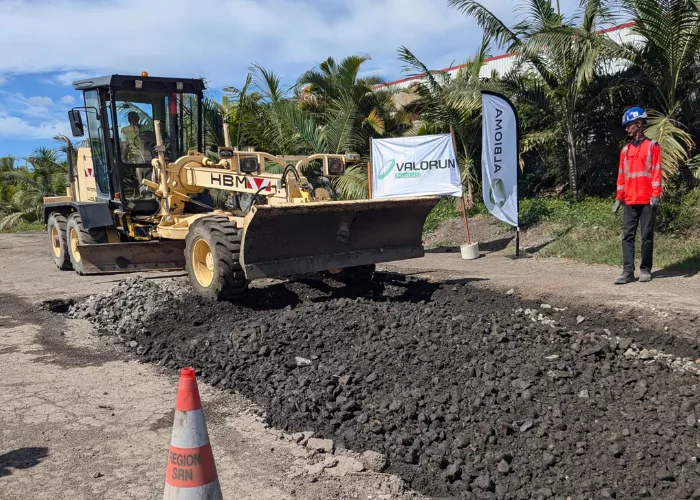
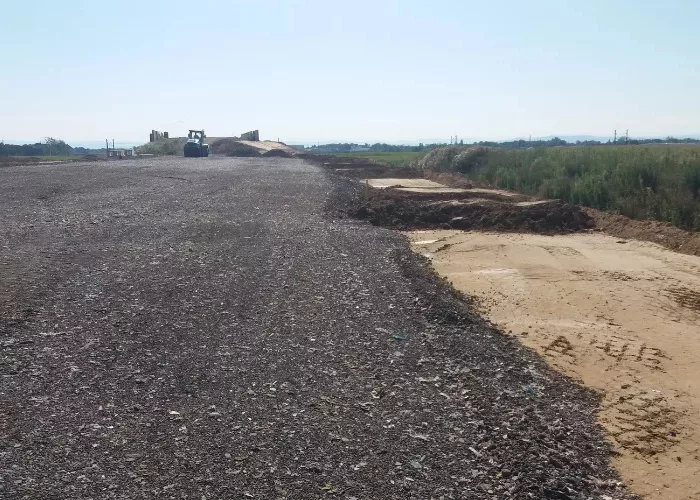
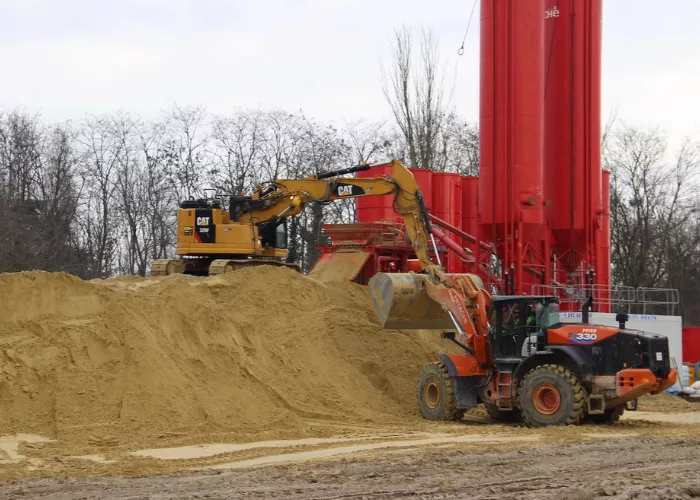
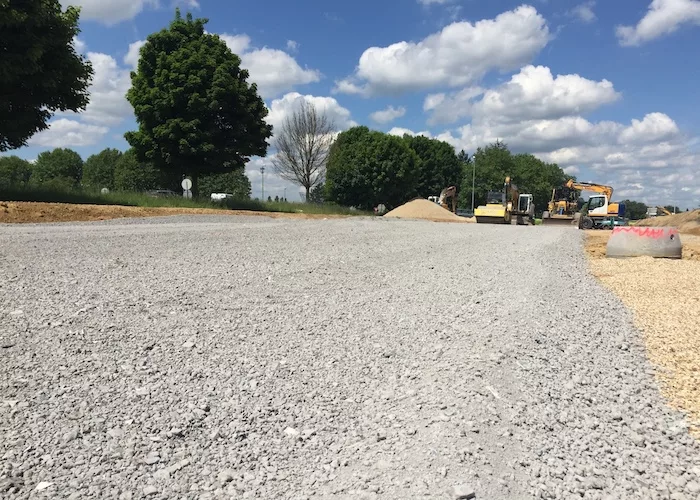
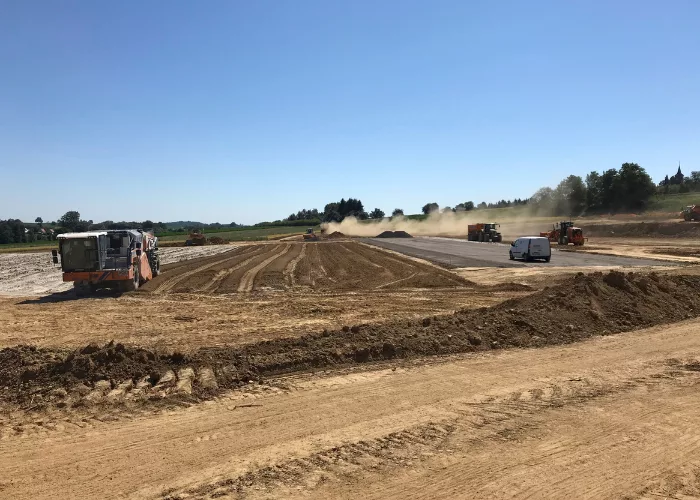
Dans le cadre du programme ALBIOM-H®, une planche d’essais a été réalisée sur le site de VALORUN à Cambaie (La Réunion) afin d’évaluer les performances des matériaux destinés aux infrastructures routières et plateformes techniques.

Ce projet expérimental vise à démontrer le potentiel de valorisation des matériaux alternatifs issus de la combustion de biomasse associés à de la grave de béton recyclée, dans une logique d’économie circulaire et de réduction de l’empreinte environnementale des travaux publics.

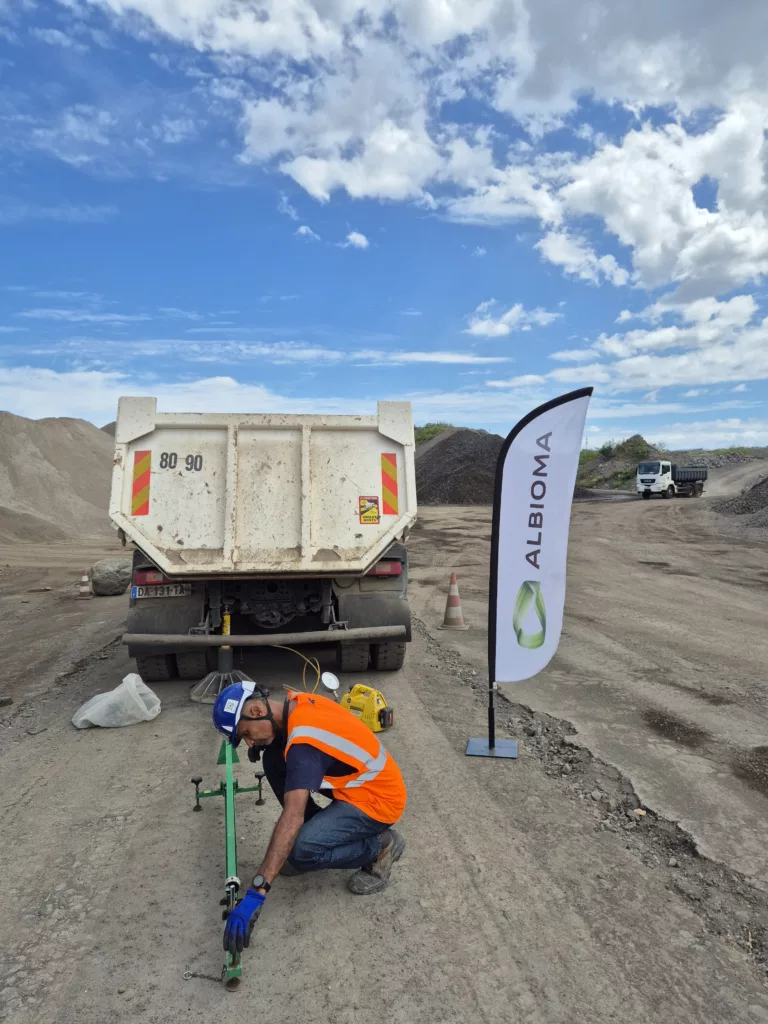
L’expérimentation a été pilotée conjointement par les équipes de VALORUN and RHINNOV, avec un suivi technique et des essais de portance réalisés sur plusieurs échéances jusqu’à 28 jours.

Le projet poursuit plusieurs objectifs majeurs :

  • Valoriser des matériaux alternatifs issus de filières locales ;
  • Réduire l’utilisation de ressources naturelles ;
  • Développer des solutions techniques adaptées aux territoires insulaires ;
  • Évaluer les performances mécaniques du mélange ALBIOM-AG en conditions réelles ;
  • Confirmer la compatibilité du matériau avec les exigences des plateformes techniques et infrastructures de circulation.

Composition du matériau ALBIOM-AG

Le mélange expérimental utilisé est composé de :

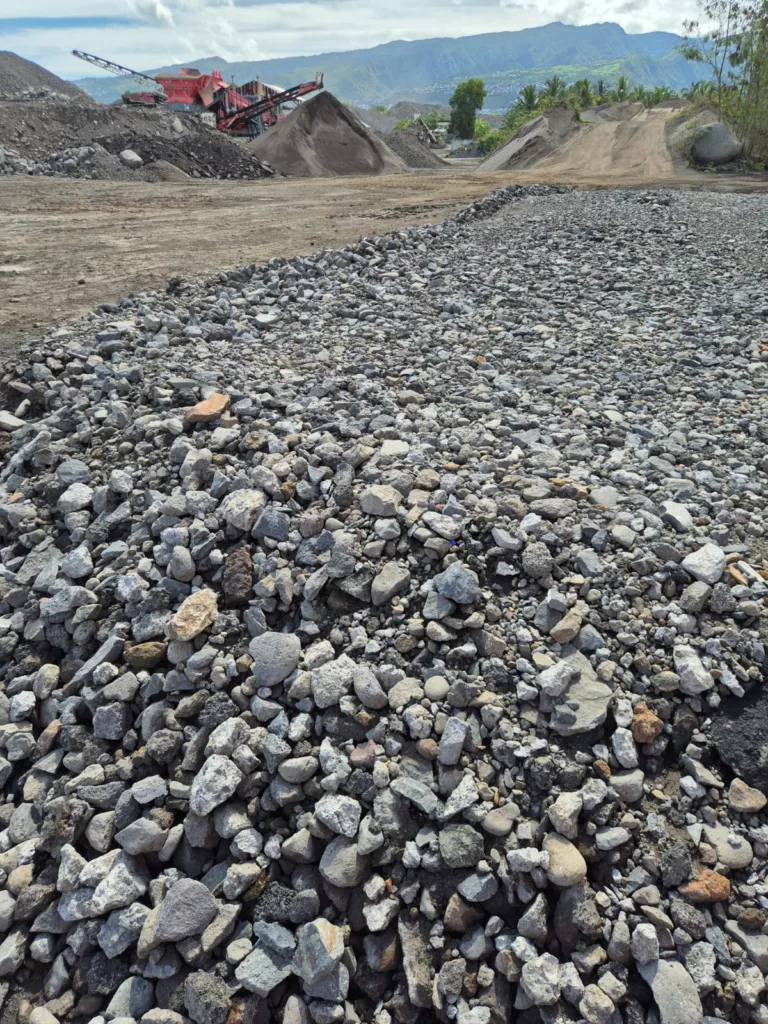
  • Grave de béton recyclée 0/80 ;
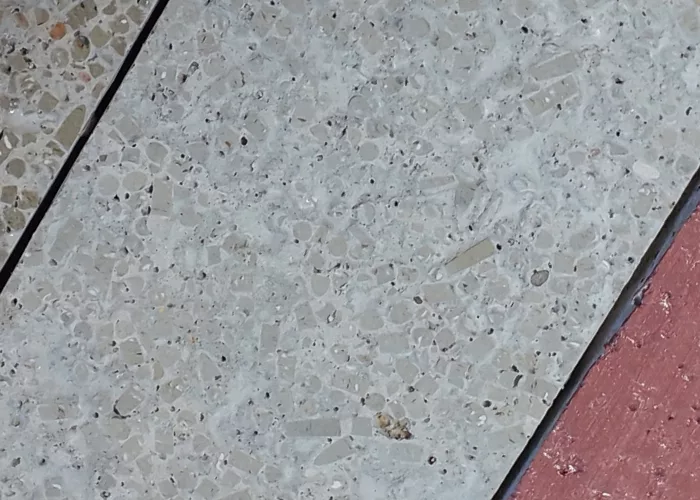
  • Scories issues de la combustion de biomasse 0/10.

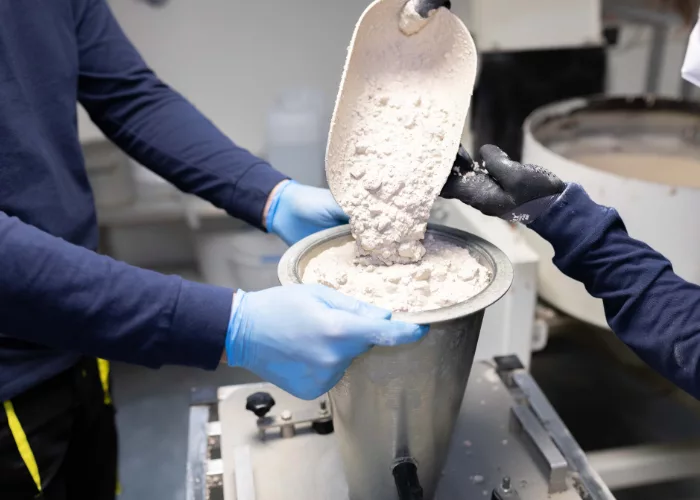
L’ensemble du mélange a été préparé avec un ajustement précis de la teneur en eau afin d’atteindre un état hydrique optimal pour le compactage et les performances mécaniques.

Mise en œuvre

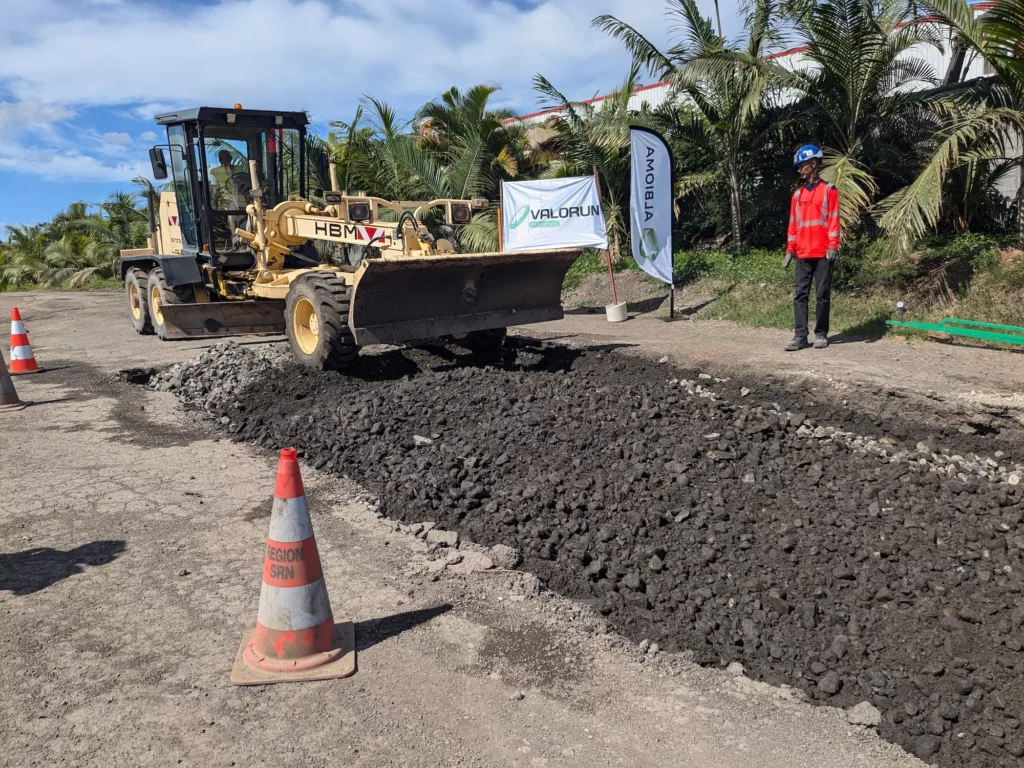
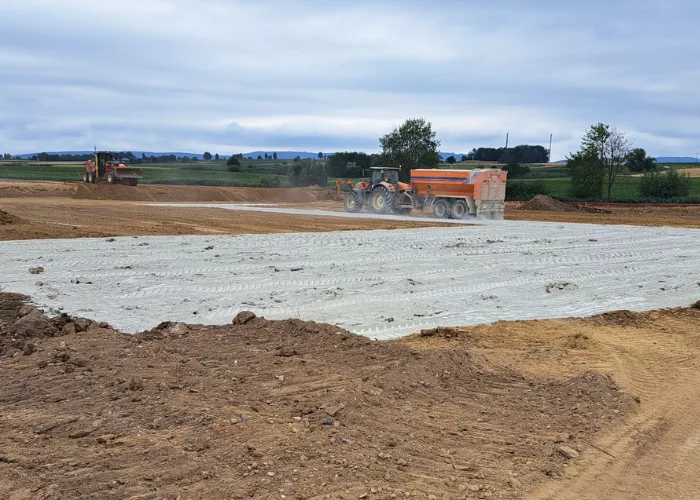
La planche d’essai a été réalisée sur une fouille de :

  • 21,7 m de longueur ;
  • 4 m de largeur ;
  • 40 cm d’épaisseur.

Le matériau a été mis en œuvre en deux couches successives avec : réglage à la niveleuse, contrôle topographique, compactage contrôlé, ajustement hydrique et suivi en laboratoire.

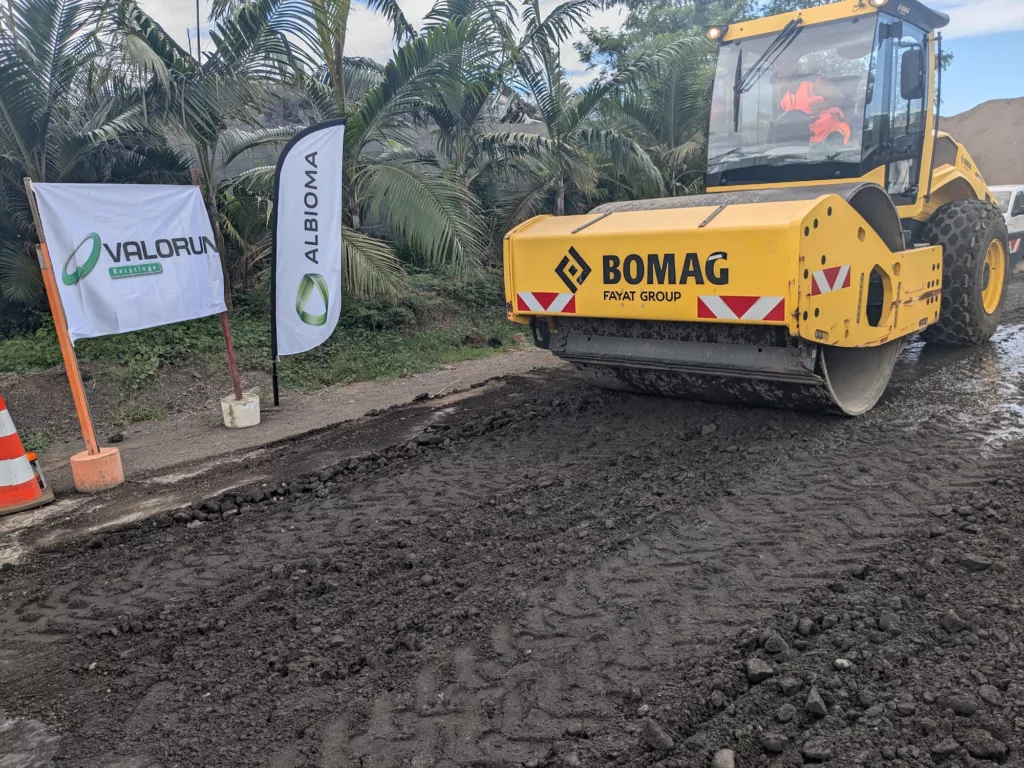
Les opérations de compactage ont été réalisées avec un compacteur BOMAG BW 219 D-5, à vitesse maîtrisée et avec un nombre de passes défini selon les prescriptions techniques.

Résultats techniques

Les essais de plaque réalisés à différentes échéances montrent une évolution très favorable des performances mécaniques du matériau.

Évolution de la portance à J+28

Evolution moyenne de la portance à J+28 : +93 %

Les résultats obtenus permettent de classer la plateforme finale en PF3, soit une portance comprise entre 120 et 200 MPa selon le GTR 2024.

Observations terrain

À 28 jours, les observations visuelles mettent en évidence :

  • une excellente tenue sous trafic ;
  • une faible porosité de surface ;
  • un très faible taux de rejet ;
  • une homogénéité satisfaisante malgré les disparités initiales du terrain support.

Apres un an, et malgré un trafic PL élevé sur cette voirie d’accès, le comportement dépasse les attentes, et le rejet est très limité.

Innovation & économie circulaire

Les résultats obtenus ouvrent des perspectives importantes pour les plateformes logistiques, les voiries techniques, les couches de forme, les aménagements industriels et les infrastructures durables en milieu insulaire.

Ce projet illustre concrètement la capacité des acteurs de la filière à :

  • transformer des sous-produits industriels en ressources techniques ;
  • développer des matériaux alternatifs performants ;
  • réduire l’impact environnemental des infrastructures ;
  • favoriser les circuits courts et la valorisation locale.

Ce projet s’inscrit pleinement dans les démarches portées par l’AFOCO autour de l’innovation, de la transition écologique et de l’économie circulaire appliquée aux matériaux alternatifs.

Strasbourg – Rocade Sud Grand Contourment Ouest - REMEX

Between 2017 and 2020, REMEX provided alternative materials for several phases of the major infrastructure projects in Strasbourg, including the South Rocade, the West Grand Contour and various related works.

Le Eleven Residence - CHRYSO

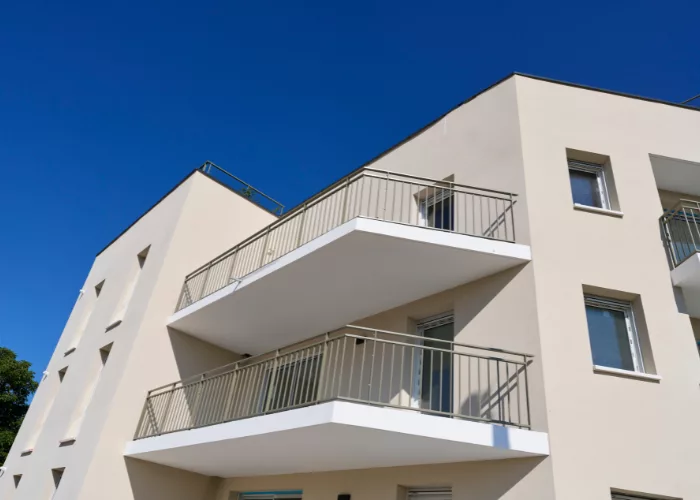
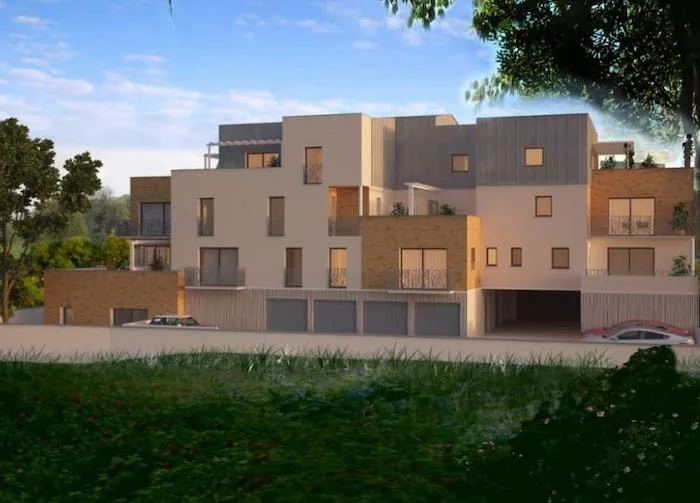
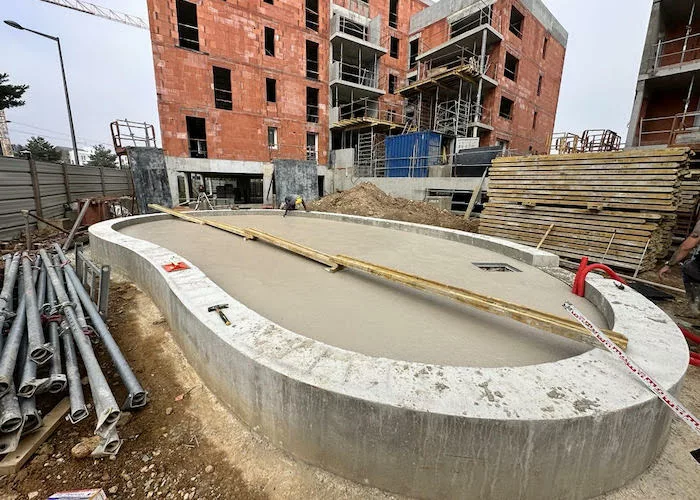
The Le Eleven residence in Chartres is a set of 12 housing units built in compliance with the E2C1 approach, label created to contribute to the fight against climate change for new construction, short circuits in favor of the circular economy with a maintenance of the balance of costs.

Gagny Quarry Filling Building (93) - VEOLIA

For 9 months, the old gypsum quarries of the city of Gagny were completed(93). The grouping of the three companies responsible for the work, chose to trust Veolia for the supply of 300,000 tons of B2 sandstone.

Green Cross Building - VEOLIA

With eight roundabouts and six kilometres of shoulder straps, the Green Cross interchange connects the A16 motorway to the Francilienne – RN104. It is one of the most important road nodes in the Val-d的Oise. Open to traffic at the end of 2019, who imagines riding on roads made, in part, of recycled materials? Because, under the carriageway, 70,000 tons of grave New·O make up the shape layer. This recycled granulate comes from the recovery of chewer material, a solid residue of energy recovery of non-hazardous waste.

ArcelorMittal Refractory Waste Management - MIRECO

In partnership with RHI Magnesita, the contract holder, Mireco is present at the ArcelorMittal site in Dunkirk to manage the 25,000 tonnes of refractory waste from the steelworks. Their mission is to ensure optimum management of these wastes, with a focus on their recovery and minimising their environmental impact.

Materials flow optimization at DEW - MIRECO

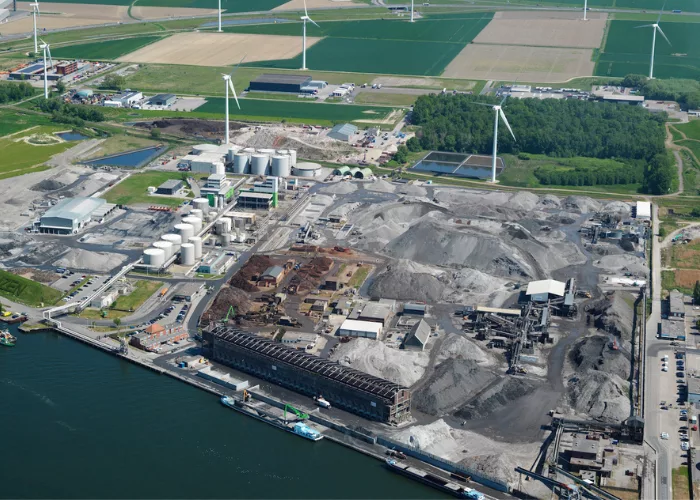
Presented at its historical customer DEW in Geisweid, MIRECO provides all of its services in industrial waste management and secondary raw material production. The company takes an innovative approach based on the CERO-Waste approach.

Highway A4 Sanef - EUROGRANUCATS

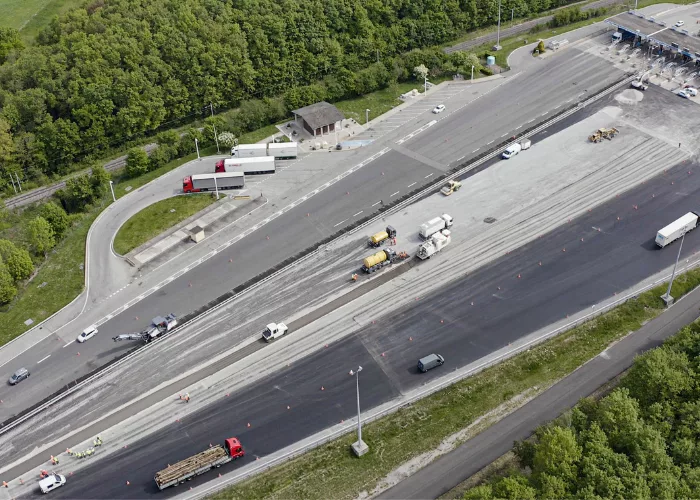
Upgrading to 2×3 lanes of the A4 motorway (enlargement with the creation of a third lane in each traffic direction) between the A4/A31 interchanges (Hauconcourt Cross) and A4/A315 (Mey-Vantoux) on a 11 km motorway section, in 2 separate continuous sections.

Building Imprint - NEOLITHE

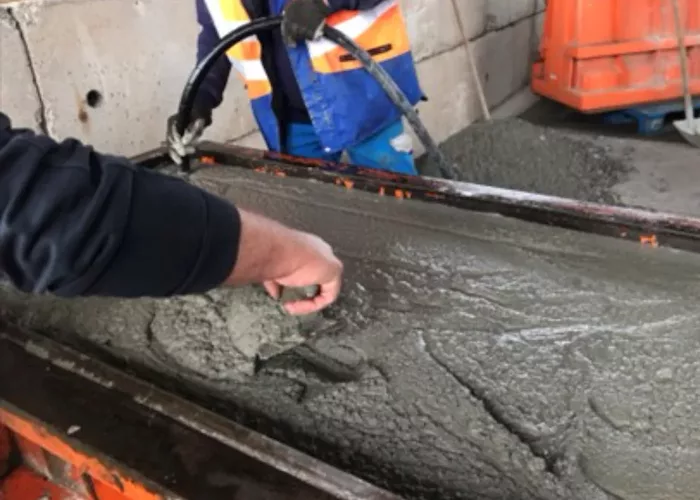
Casting of the first slab from the very low carbon cement and granulates of Anthropocite® from the waste treatment by Accelerated Fossilization.
The project was carried out in two parts, the first was cast in April (concrete of 5% of anthropocite) and the second in June 19 (concrete of 10% of anthropocite).

Waste treatment platform - TERRAG FRANCE

TERRAG France supplied concrete blocks made from alternative materials from the glass industry and fluidized bed boiler sands, replacing natural aggregates, for the construction of the waste treatment platform.

Issy-les-Moulineaux - REMEX

In partnership with HEROS, 100% subsidiary of REMEX, the company provided URBASER with an efficient solution for the treatment of chewers, technically and tariffly adapted, as part of the 8-year operation of the incineration plant of Issy-les-Moulineaux, one of the largest in France.

CIRR Building on A40 - ROAD EIFFAGE

Co-combustion ash recovery in low-carbon road binders applied to ground reprocessing: feedback on the CIRR site of the A40.

Centre Commercial de Soultz-sous-Forêt - TERRAG FRANCE

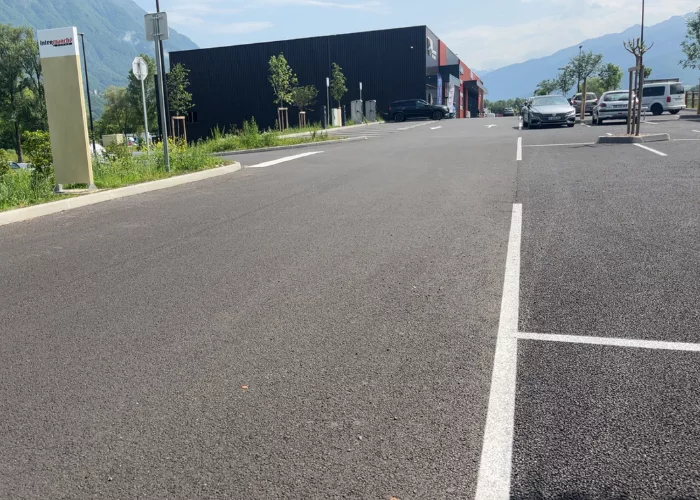
TERRAG France carried out the soil treatment on the site of the parking lot at the Soultz-sous-Forêt shopping centre, using ash from the co-incineration of stationery and wood sludge.

Recovery of Refiom - REMEX

Through its REKS subsidiary, REMEX commits each year to the recovery of nearly 700,000 tonnes of REFIOM in Germany, thanks to an innovative and sustainable process.