CIRR Building on A40

ROAD EFFECTS

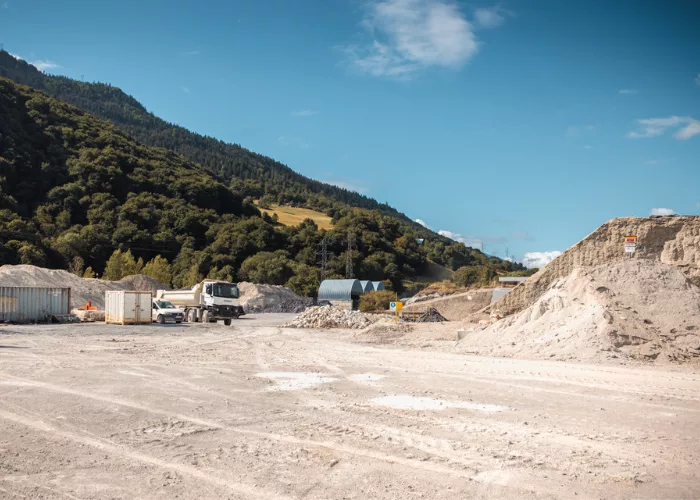
The yard

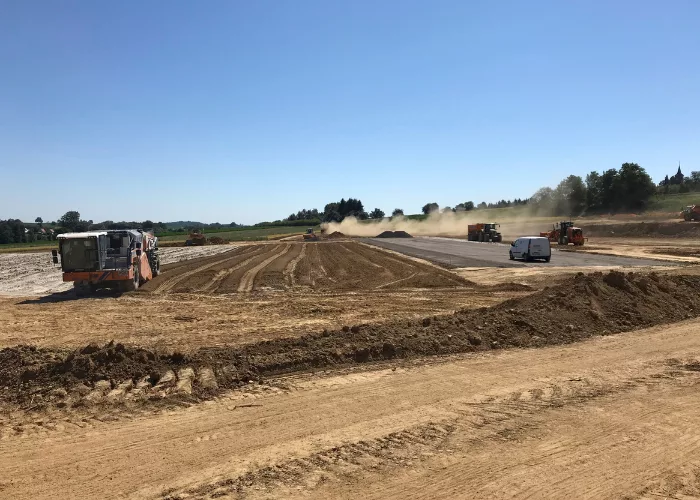
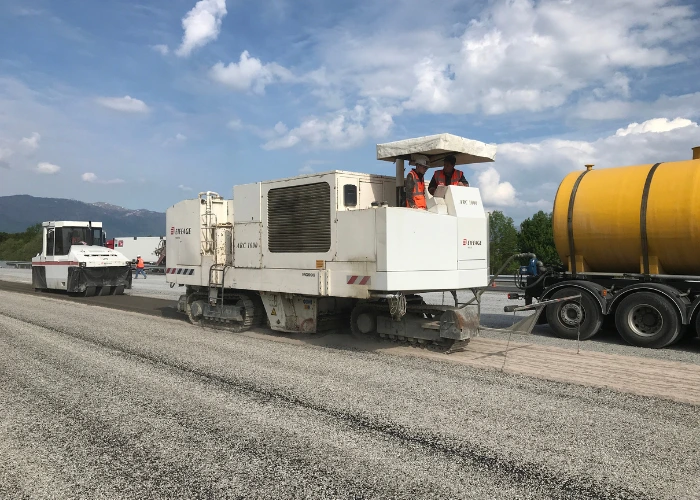
Co-combustion ash recovery in low-carbon road binders applied to ground reprocessing: feedback on the CIRR site of the A40.

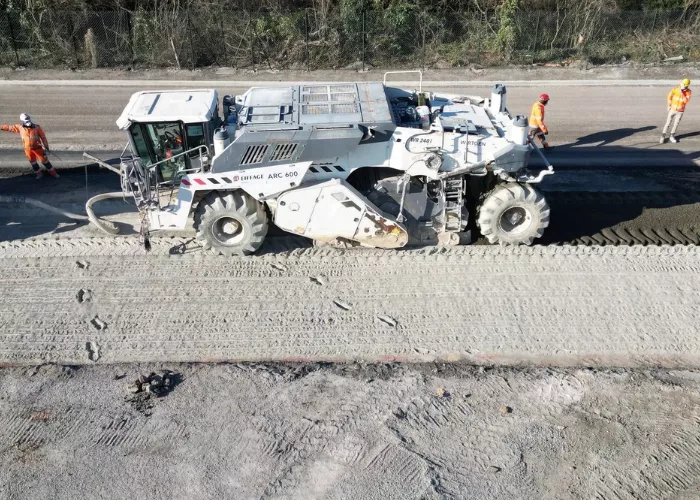
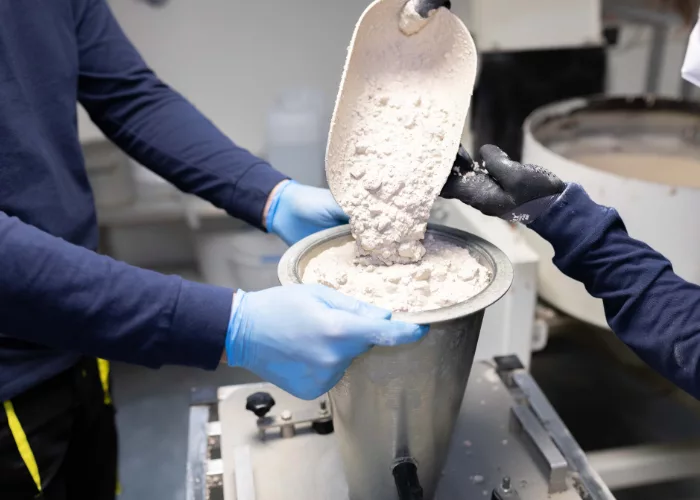
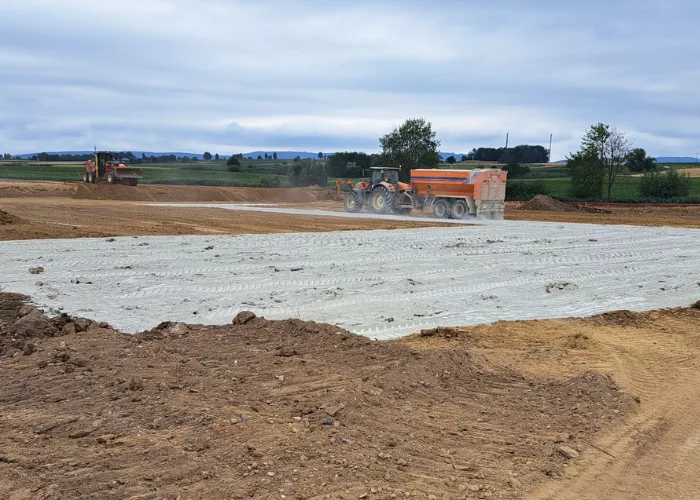
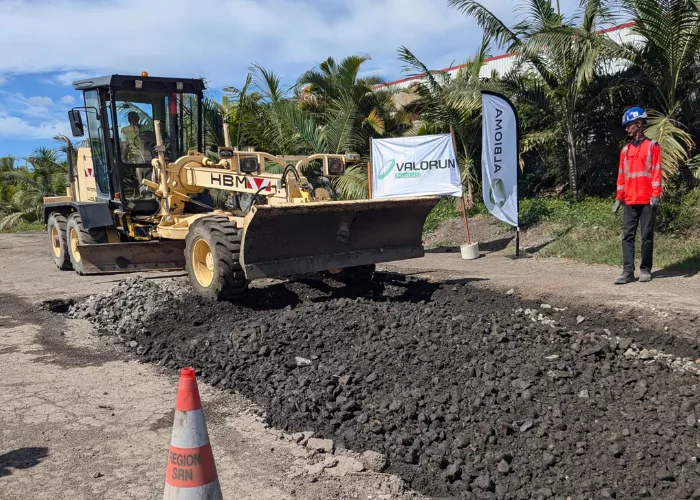
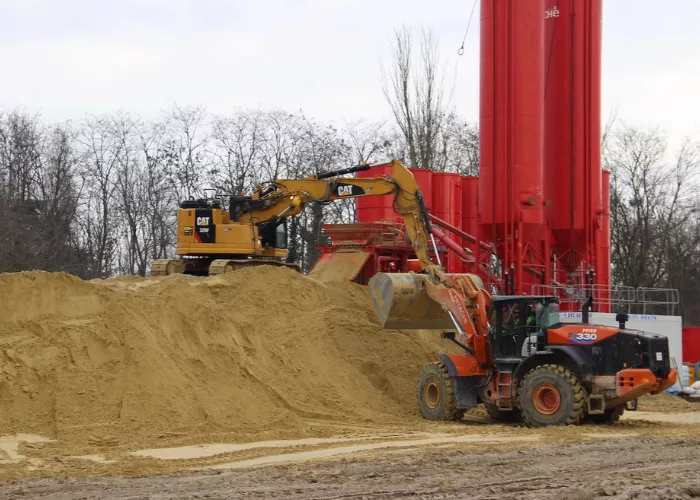
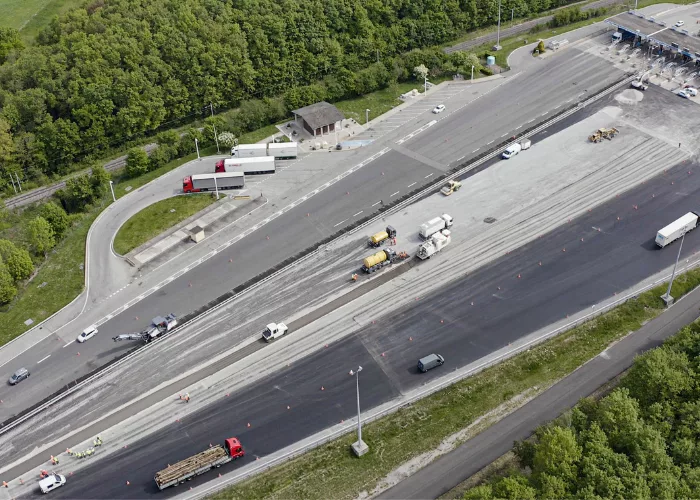
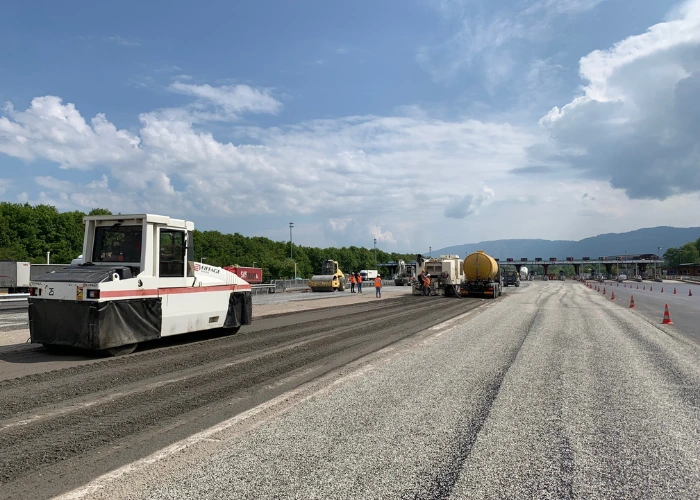
Under the auspices of the Innovation Roads and Streets Committee (CIRR) and the Cerema, and under the initiative of ATMB, Eiffage Route has implemented its low carbon Flexocim® process, employing a low environmental footprint hydraulic binder developed and patented in partnership with the company Surschiste, implemented with the ARC 1000® d'Eiffage Route pavement reprocessing workshop. A first on motorway network.

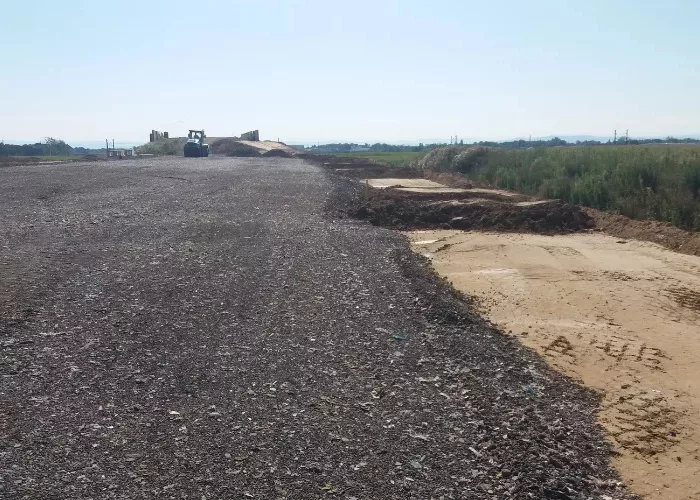
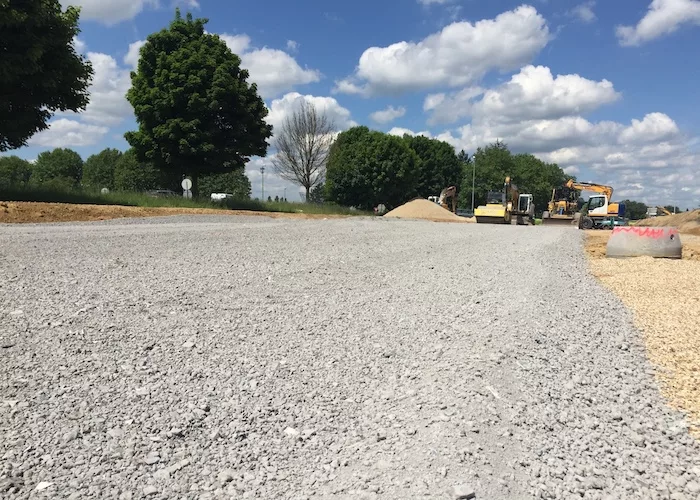
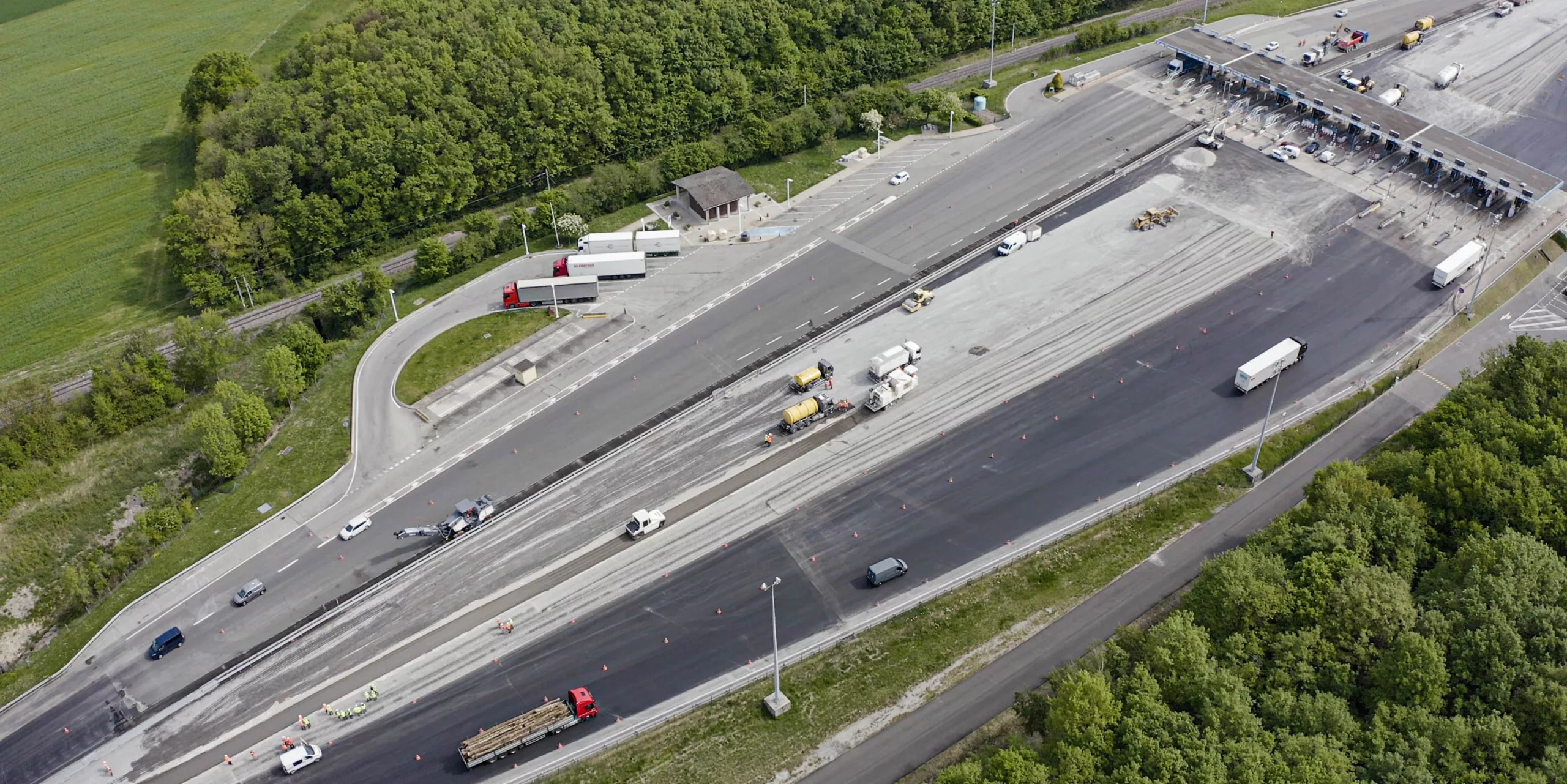
The site is located on both sides of Viry's full-track toll barrier (74). Work is being carried out on the renewal of the toll platform, which supports traffic of the order of 15,000 vehicles/day, of which 10% are heavyweight.
Use of a binder and a process « Low carbon » : Flexocim®

In response to the possibility of using a binder and a process « Low carbon », Eiffage Route responded with its Flexocim® innovation, consisting of reprocessing in place, cold with hydraulic binder, without input materials, the existing pavement structure. This innovation results from a multi-year collaboration between Eiffage Route and the company Surschiste, manufacturer and producer of the hydraulic binder.

Due to a high degree of clumping, present in existing pavement materials, and the use of a low-carbon hydraulic binder without clinker, the Flexocim® process has better properties and durability vis-à-vis the rise of cracks observed on clinker-treated seats. It provides the same class of mechanical resistance as conventional treated material with a better environmental balance (- 40% CO2) attested by the SEVE-TP eco-comparator.

This type of technical solution is fully in line with the Eiffage Group's low carbon policy and its strategic plan by 2030.
Strasbourg – Rocade Sud Grand Contourment Ouest - REMEX

Between 2017 and 2020, REMEX provided alternative materials for several phases of the major infrastructure projects in Strasbourg, including the South Rocade, the West Grand Contour and various related works.

Le Eleven Residence - CHRYSO

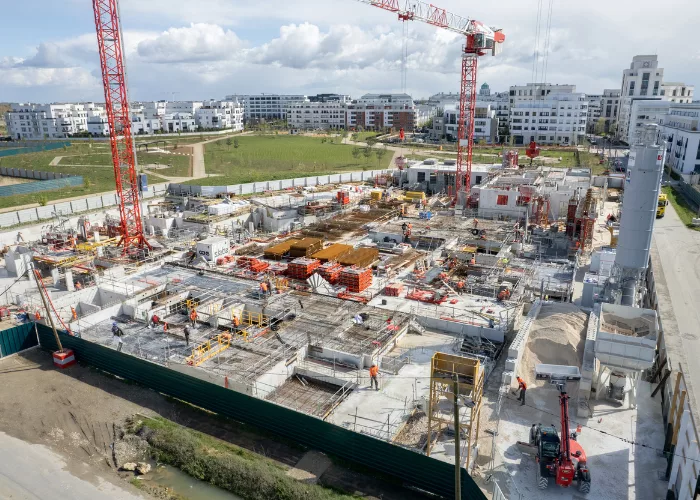
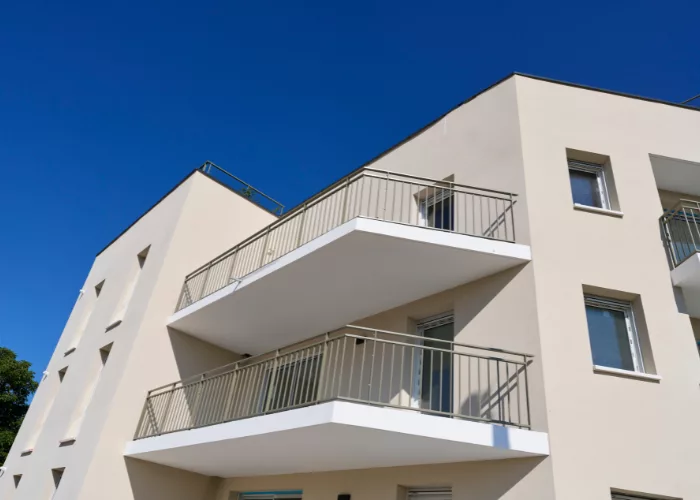
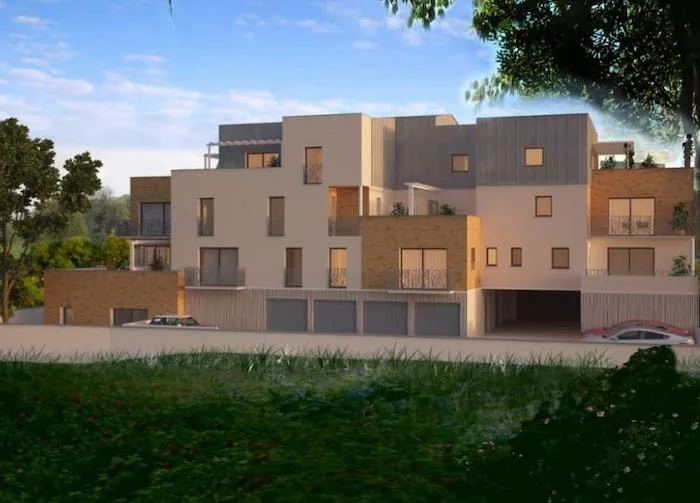
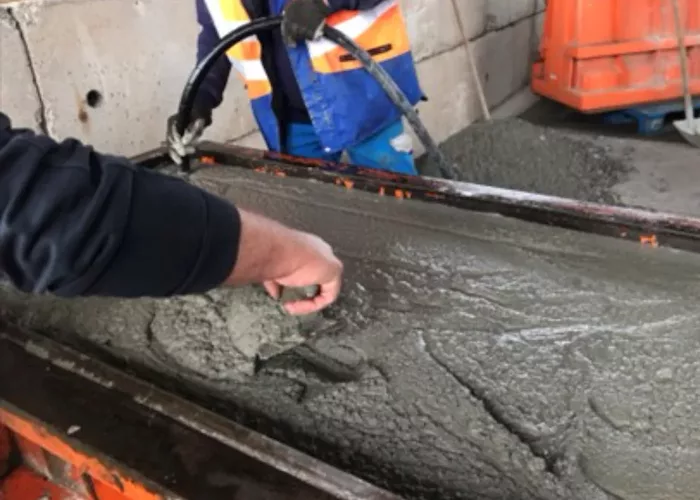
The Le Eleven residence in Chartres is a set of 12 housing units built in compliance with the E2C1 approach, label created to contribute to the fight against climate change for new construction, short circuits in favor of the circular economy with a maintenance of the balance of costs.

Gagny Quarry Filling Building (93) - VEOLIA

For 9 months, the old gypsum quarries of the city of Gagny were completed(93). The grouping of the three companies responsible for the work, chose to trust Veolia for the supply of 300,000 tons of B2 sandstone.

Green Cross Building - VEOLIA

With eight roundabouts and six kilometres of shoulder straps, the Green Cross interchange connects the A16 motorway to the Francilienne – RN104. It is one of the most important road nodes in the Val-d的Oise. Open to traffic at the end of 2019, who imagines riding on roads made, in part, of recycled materials? Because, under the carriageway, 70,000 tons of grave New·O make up the shape layer. This recycled granulate comes from the recovery of chewer material, a solid residue of energy recovery of non-hazardous waste.

ArcelorMittal Refractory Waste Management - MIRECO

In partnership with RHI Magnesita, the contract holder, Mireco is present at the ArcelorMittal site in Dunkirk to manage the 25,000 tonnes of refractory waste from the steelworks. Their mission is to ensure optimum management of these wastes, with a focus on their recovery and minimising their environmental impact.

Materials flow optimization at DEW - MIRECO

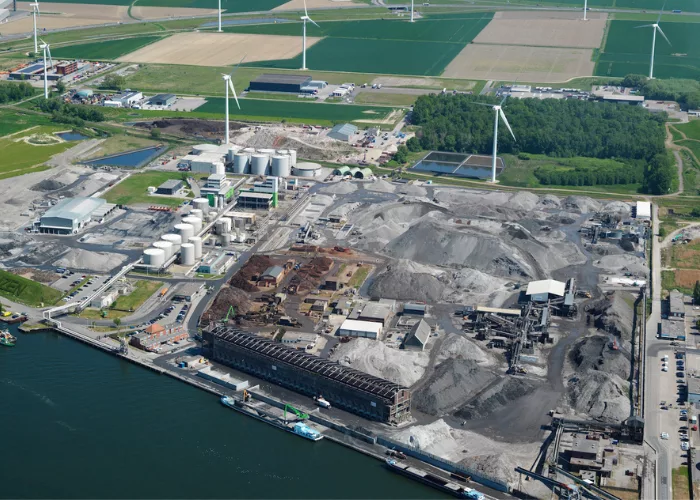
Presented at its historical customer DEW in Geisweid, MIRECO provides all of its services in industrial waste management and secondary raw material production. The company takes an innovative approach based on the CERO-Waste approach.

Highway A4 Sanef - EUROGRANUCATS

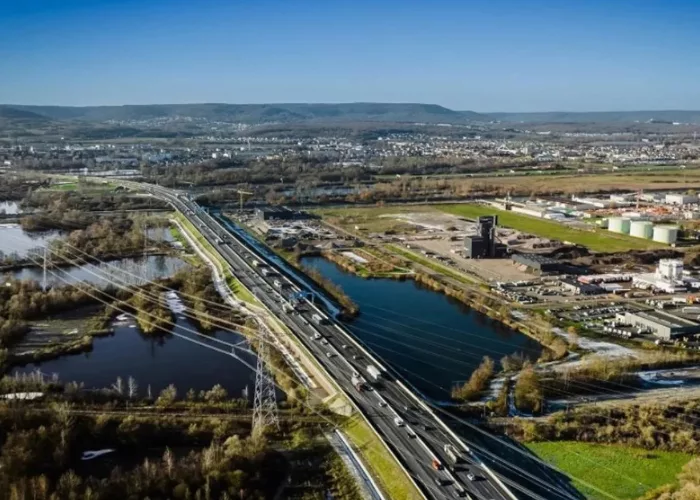
Upgrading to 2×3 lanes of the A4 motorway (enlargement with the creation of a third lane in each traffic direction) between the A4/A31 interchanges (Hauconcourt Cross) and A4/A315 (Mey-Vantoux) on a 11 km motorway section, in 2 separate continuous sections.

Village of Pessat Villeneuve - TMS International

TMS International has proposed its materials for the embalming of slats above the sanding of the networks and below the seat layer of the road.

Building Imprint - NEOLITHE

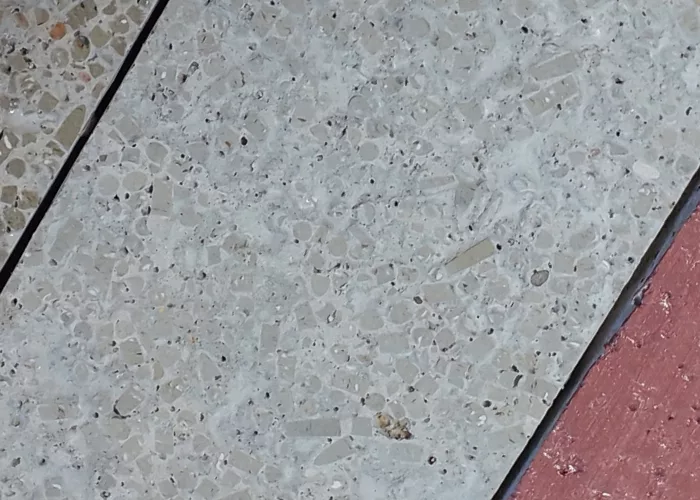
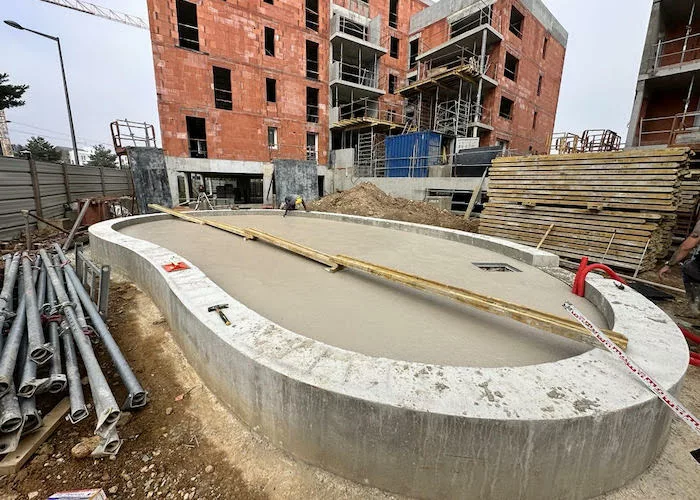
Casting of the first slab from the very low carbon cement and granulates of Anthropocite® from the waste treatment by Accelerated Fossilization.
The project was carried out in two parts, the first was cast in April (concrete of 5% of anthropocite) and the second in June 19 (concrete of 10% of anthropocite).

Waste treatment platform - TERRAG FRANCE

TERRAG France supplied concrete blocks made from alternative materials from the glass industry and fluidized bed boiler sands, replacing natural aggregates, for the construction of the waste treatment platform.

Issy-les-Moulineaux - REMEX

In partnership with HEROS, 100% subsidiary of REMEX, the company provided URBASER with an efficient solution for the treatment of chewers, technically and tariffly adapted, as part of the 8-year operation of the incineration plant of Issy-les-Moulineaux, one of the largest in France.

Project LIBAROT® - EIFFAGE ROAD AND BUILDERS Engineering School

The LIBAROT® project, launched in 2023 to develop a low-carbon road hydraulic binder based on shellfish co-products, reduces the carbon impact of road infrastructure.

Centre Commercial de Soultz-sous-Forêt - TERRAG FRANCE

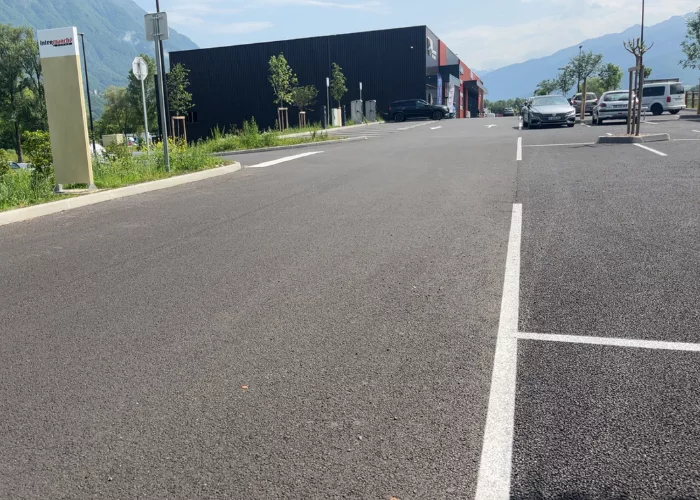
TERRAG France carried out the soil treatment on the site of the parking lot at the Soultz-sous-Forêt shopping centre, using ash from the co-incineration of stationery and wood sludge.

Recovery of Refiom - REMEX

Through its REKS subsidiary, REMEX commits each year to the recovery of nearly 700,000 tonnes of REFIOM in Germany, thanks to an innovative and sustainable process.

EnglishenEnglishEnglish