Soil treatment using ash from co-incineration
TERRAG FRANCE
The yard
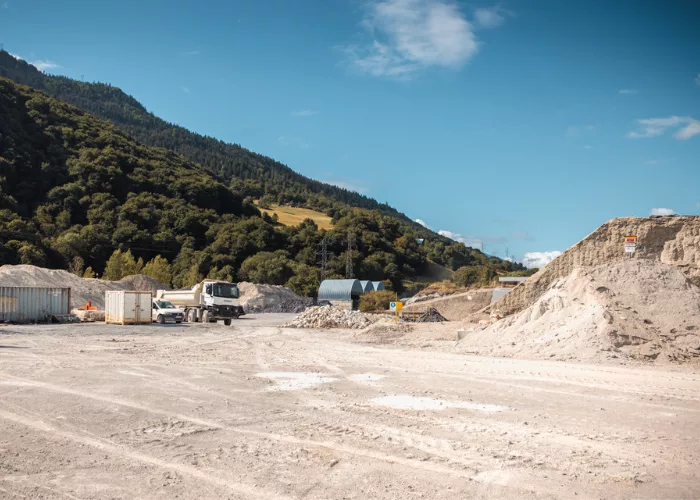
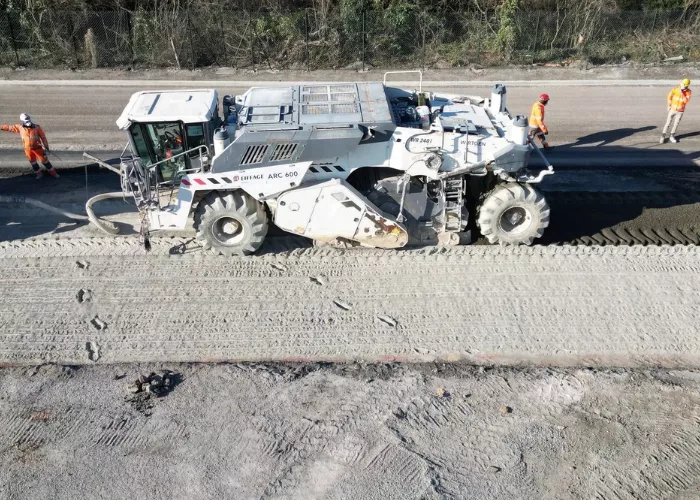
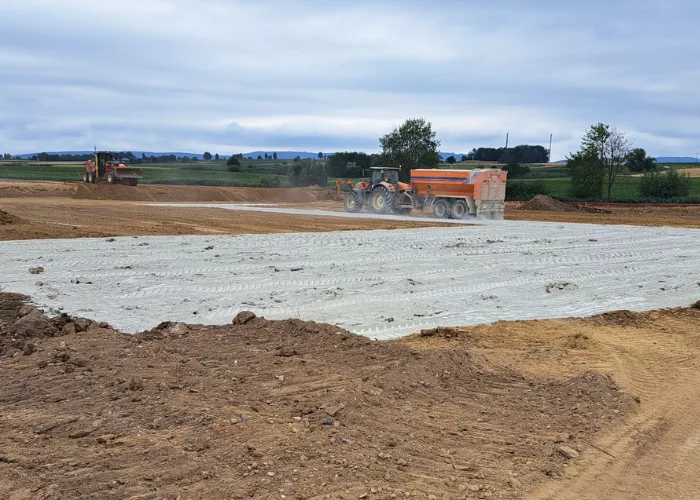
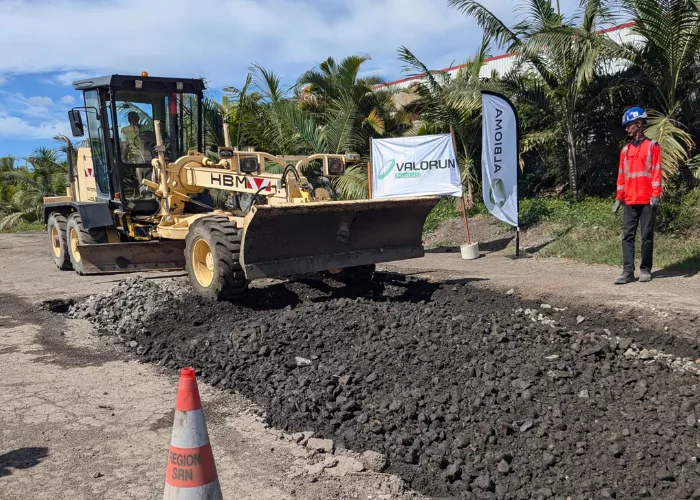
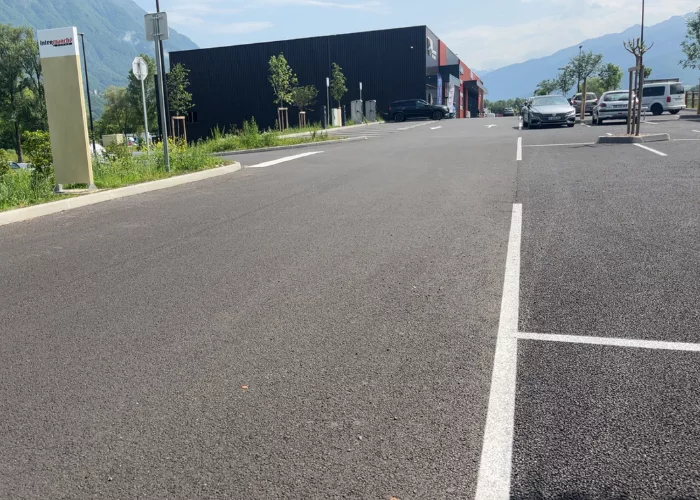
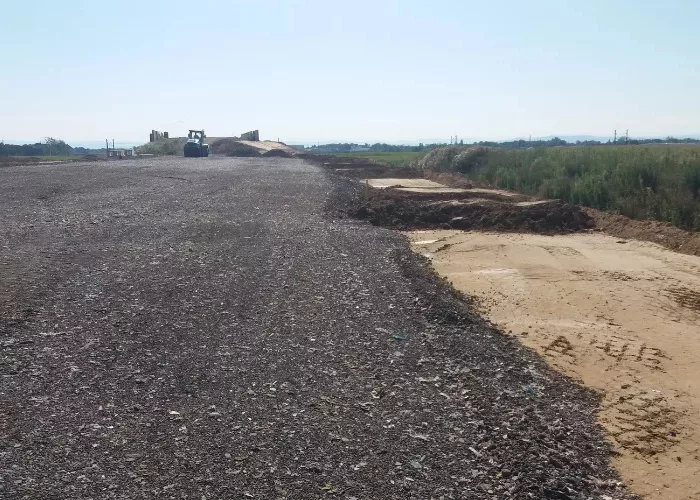
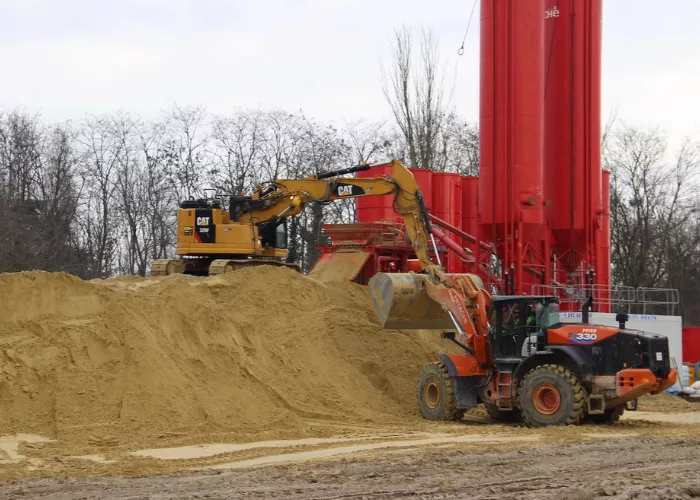
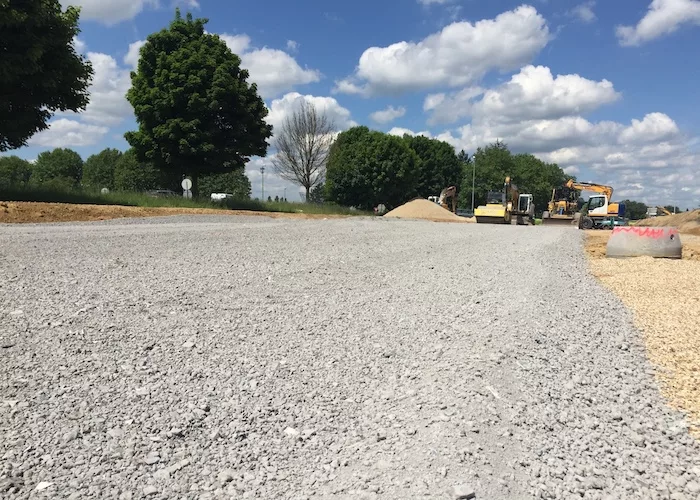
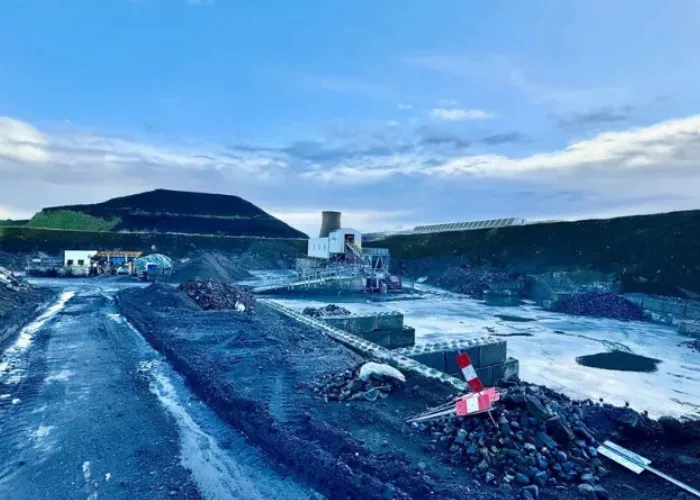
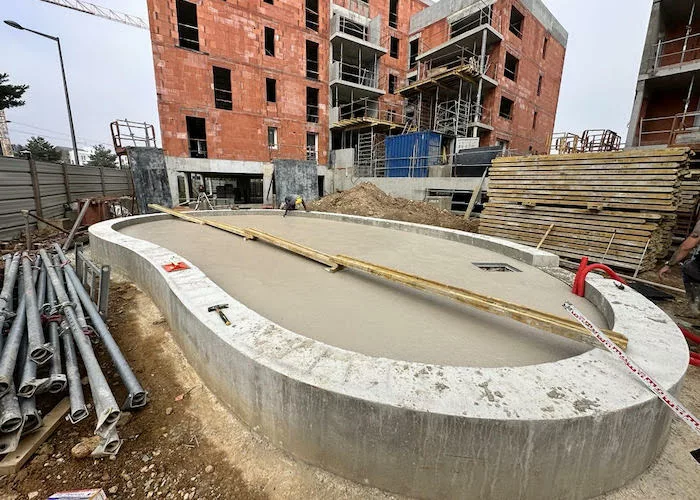
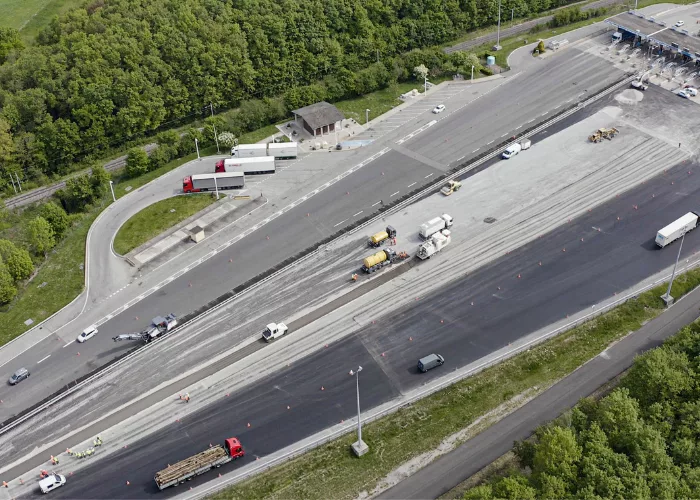
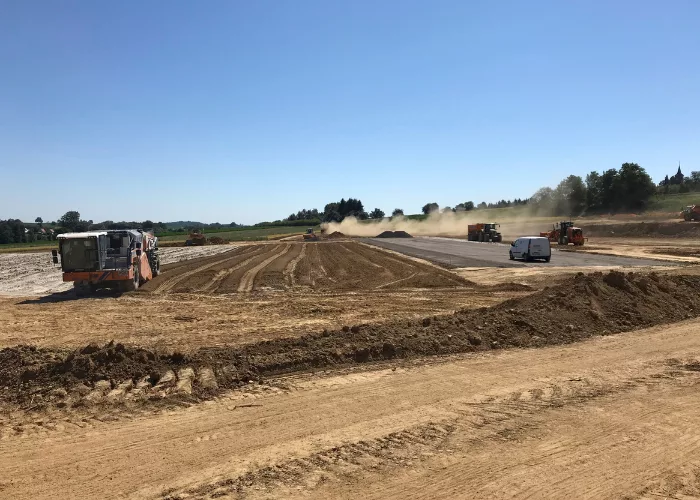
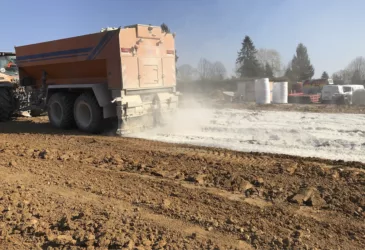
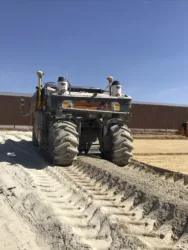
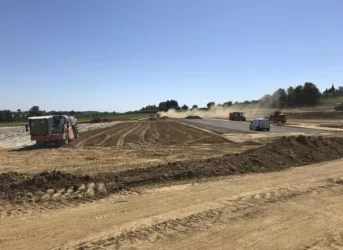
TERRAG France realized the soil treatment on site The right-of-way of the parking lot of the Soultz-Sous-Forêt shopping centre, using ash from co-incineration of paper and wood sludge.
The project, supervised by the SETRA Guideillustrates the technical and environmental benefits of valuing industrial co-products. It reflects TERRAG France's commitment to a more sustainable and environmentally friendly construction.
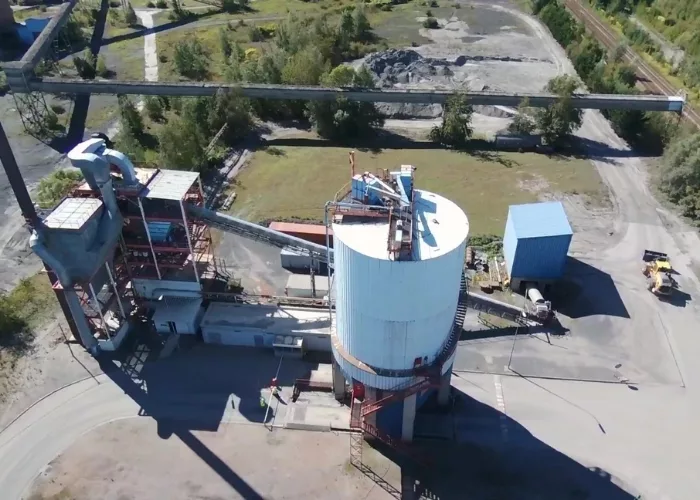
Use of co-incineration ash
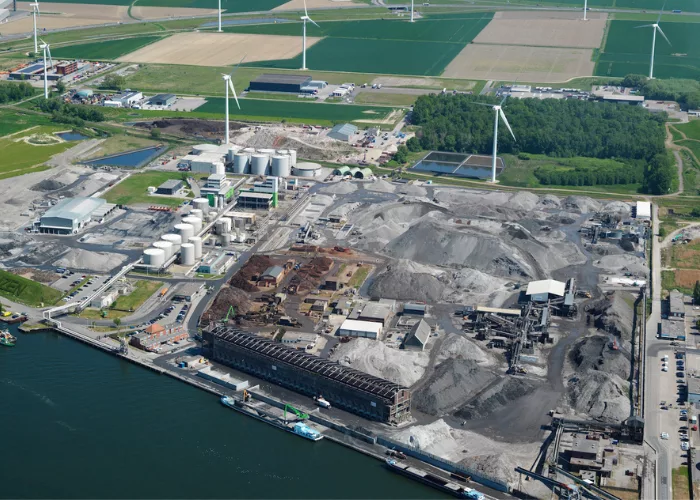
The specific nature of this project lies in Use of ash from co-incineration of stationery and wood sludge.
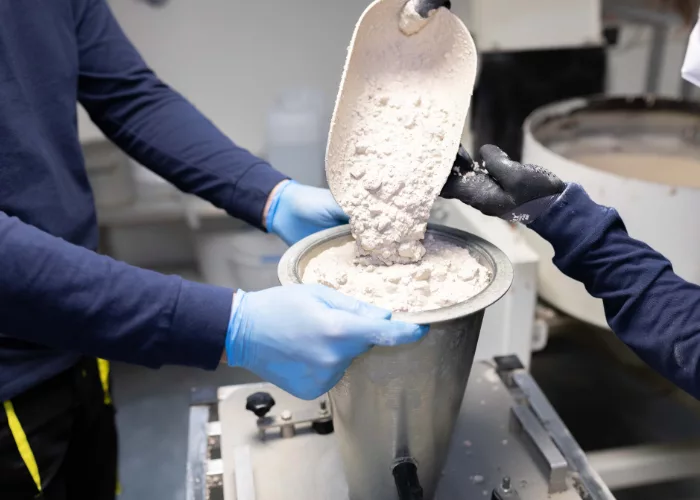
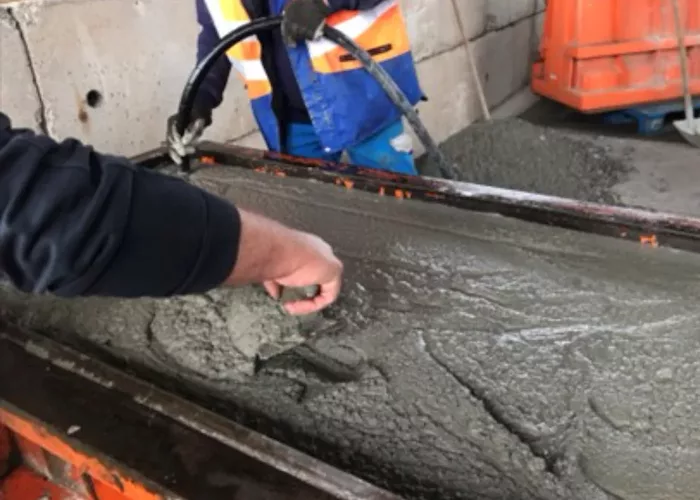
This alternative material, with considerable potential, was used as a hydraulic binder. As an alternative to traditional binders such as lime or cement, ash has all the technical characteristics necessary to clean up a soil while guaranteeing the required lift for the site.
Environmental and technical benefits
The main advantage of this alternative material is its reduced environmental impact. The production of one tonne of live lime or cement generates one tonne of CO2, while the tonnes of ash from co-incineration does not emit CO2 emissions, thus providing a neutral carbon footprint. This advantage makes ash a particularly valuable material in the fight against greenhouse gas emissions in the construction sector.
The technical and environmental study carried out on this material assessed its performance while demonstrating its potential for soil remediation. This project highlights the enormous positive impact of alternative materials on greenhouse gas reduction and underlines the importance of their adoption in future projects.
The process of implementing this material is rigorously supervised by the SETRA Guide to Alternative Materials, thus guaranteeing compliance with technical and environmental standards. This certification allowsensuring the quality of materials and their secure integration into construction projects, thus providing a reliable and durable alternative to conventional materials.