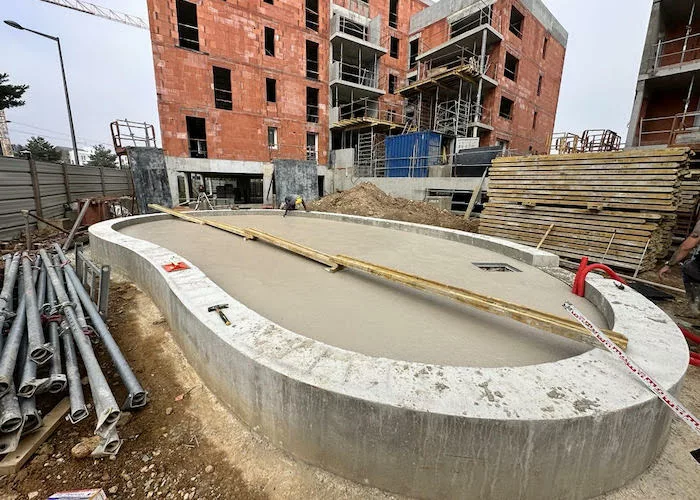
Valorisation of steel dairy: construction of a parking lot and industrial storage platform

HARSCO Environmental

Project context

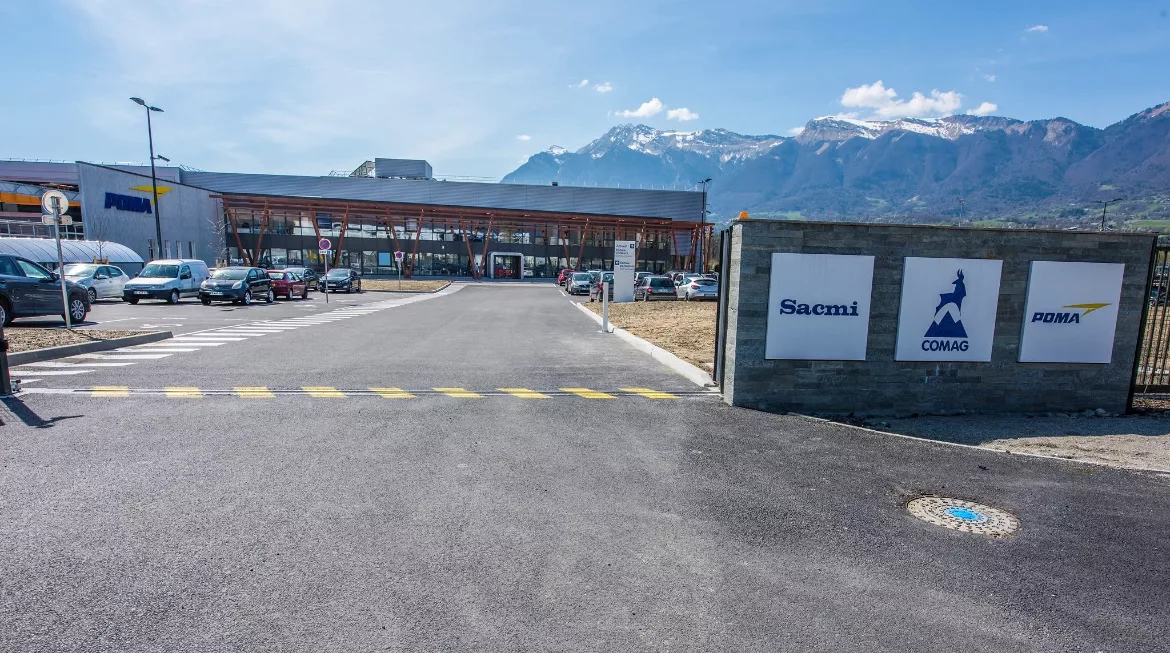
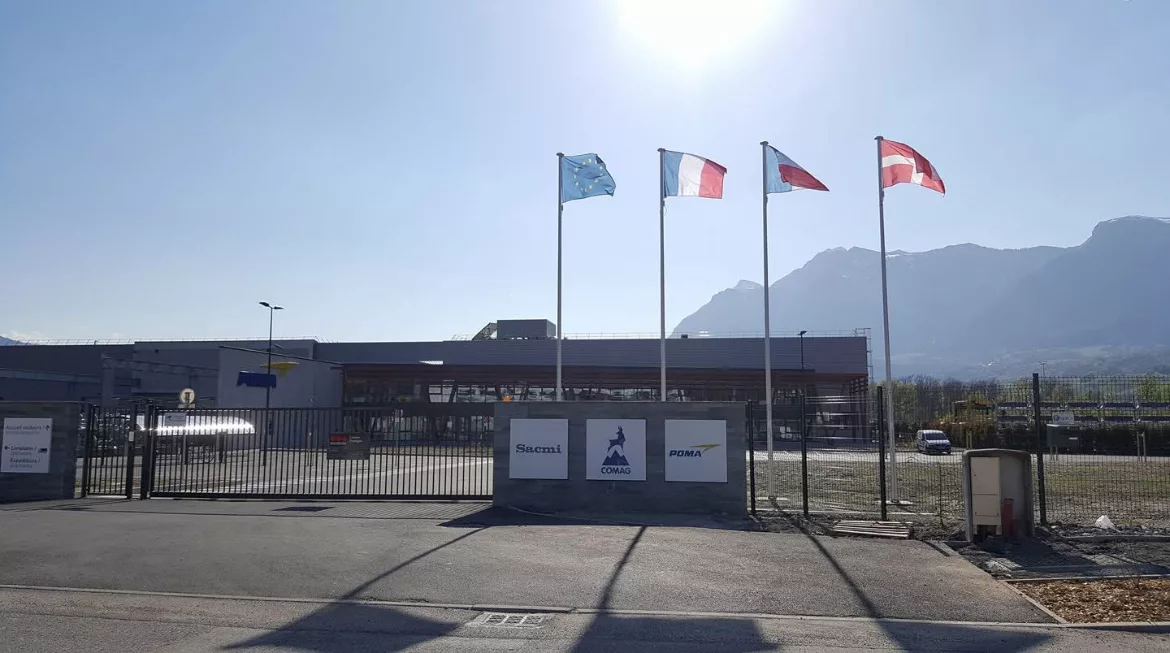
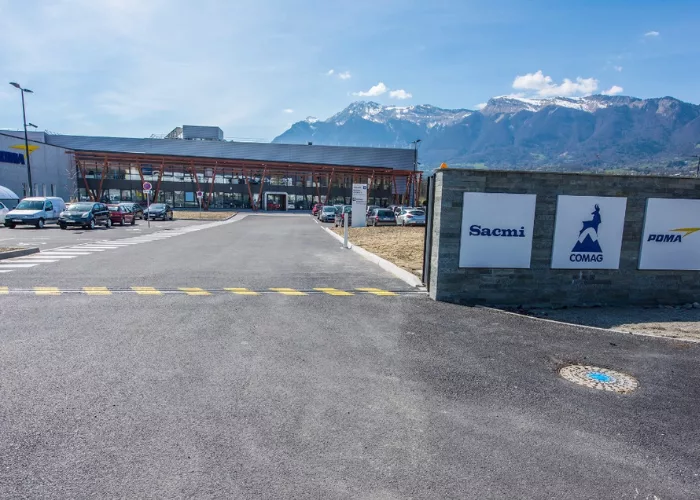
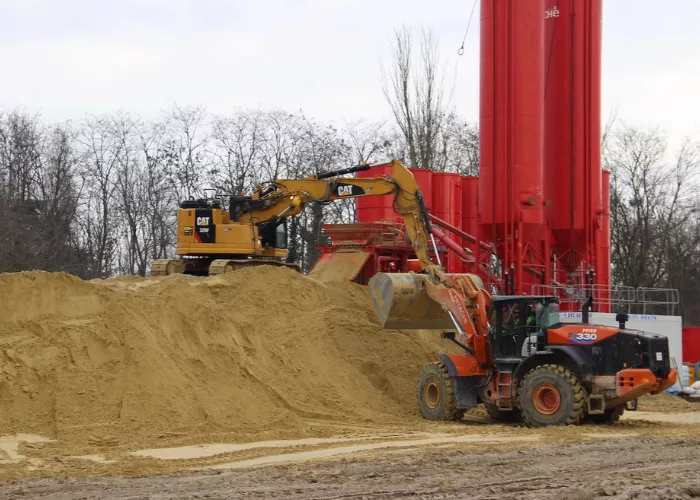
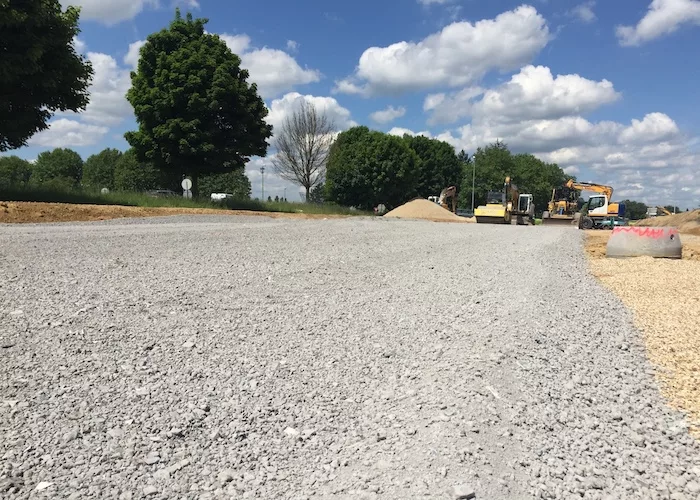
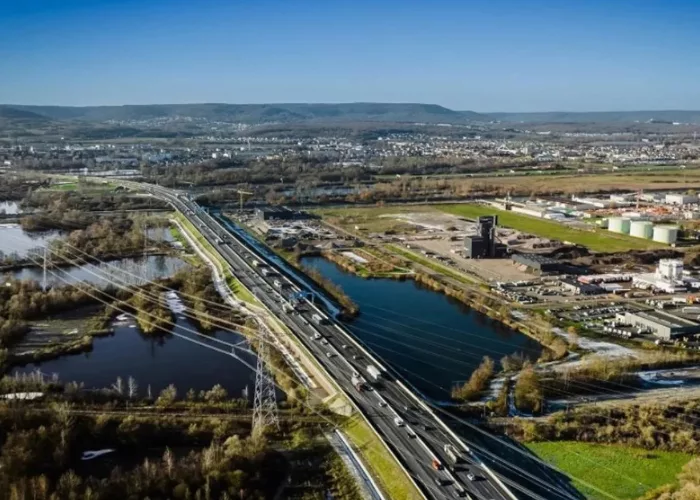
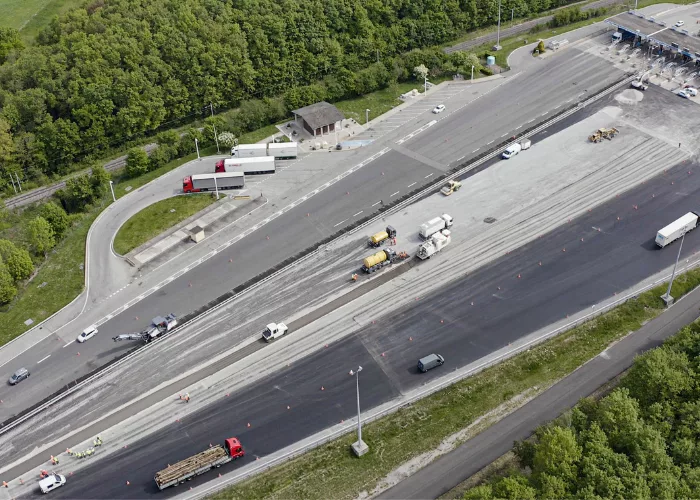
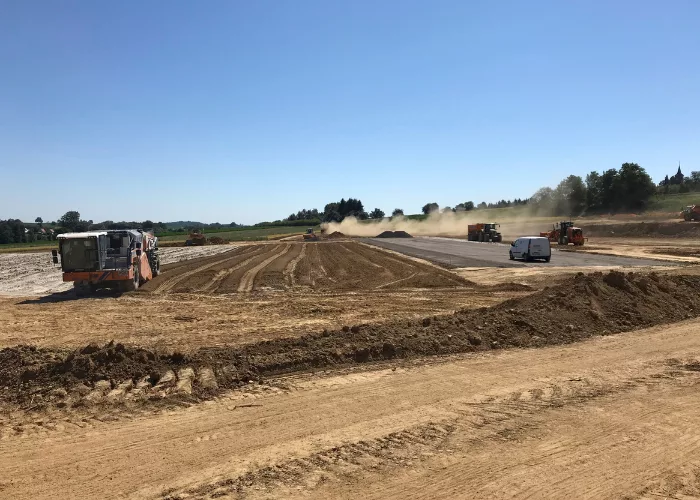
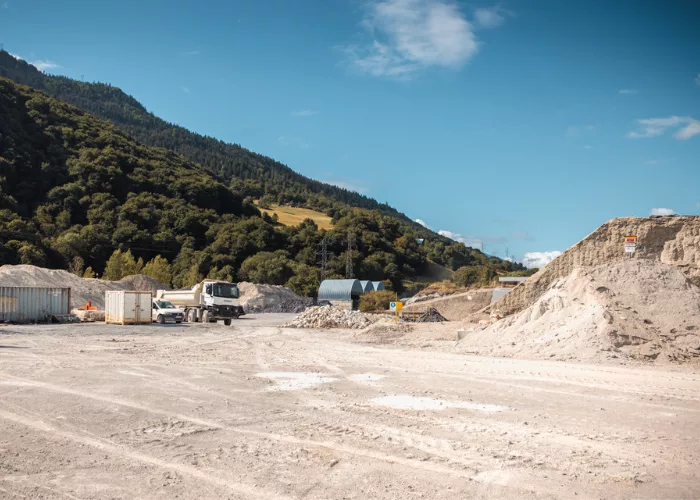
In 2019, as part of the establishment of the Poma industrial site, this project consisted of: development of a complete outer area integrating:

  • one parking lot for light vehicles and heavy goods vehicles
  • a industrial storage platform
  • of the infrastructure adapted to logistical flows site

The project was carried out on a parcel requiring significant preparatory work for earthmoving and shaping to ensure the stability of the structures.


Project objectives

  • Creating functional surfaces suitable for industrial use
  • Ensuring the security of on-site logistics flows
  • Ensuring the sustainability of storage platforms

Studies, research and prior testing

The project has undergone an in-depth study to ensure the performance and safety of the works:

  • Soil lift study to size structures adapted to heavy loads
  • Environmental analysis of the site prior to implementation
  • Verification of the compatibility of the yard with the use of steel dairy
  • Implementation of a material validation procedure including:
      • leaching tests
      • expansion tests
      • creation of product data sheets

Ecosystem, stakeholders and partners

The project is part of a demanding industrial environment involving several actors:

  • Owner;
  • Office of Technical Studies;
  • Public works company.

Technical performance

  • Excellent mechanical strength structures facing heavy loads
  • Stability and sustainability storage platforms
  • Effective adaptation of roads and parking areas industrial flows

Environmental impacts and circular economy

The project contributes to a more sustainable construction approach through:

  • the recovery of steel dairy ;
  • Reducing environmental impact overall development;
  • the contribution to a circular economy.

This project illustrates the ability to design and implement efficient, sustainable and integrated industrial infrastructure based on materials from value chains, in a technical and environmental performance logic.
    Polyurethane pellets and powders in cement materials

    CAPACITIES

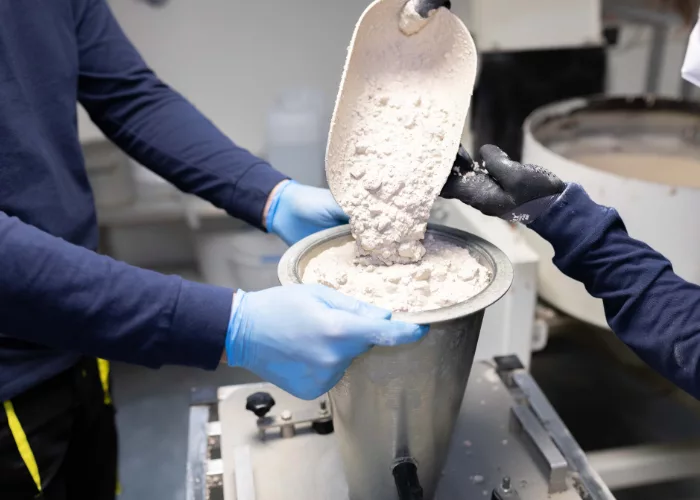
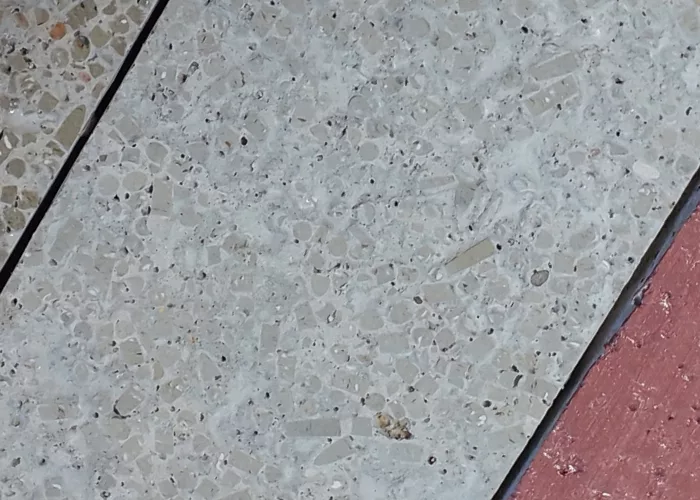
    The firm EffiCité commissioned Capacities to study the integration of recycled polyurethane into cementary materials for construction, in order to assess the feasibility of innovative formulations that are not available on the market.

    10 years of circular economy for Savoyard shipyards

    HARSCO ENVIRONMENTAL – UGIROC

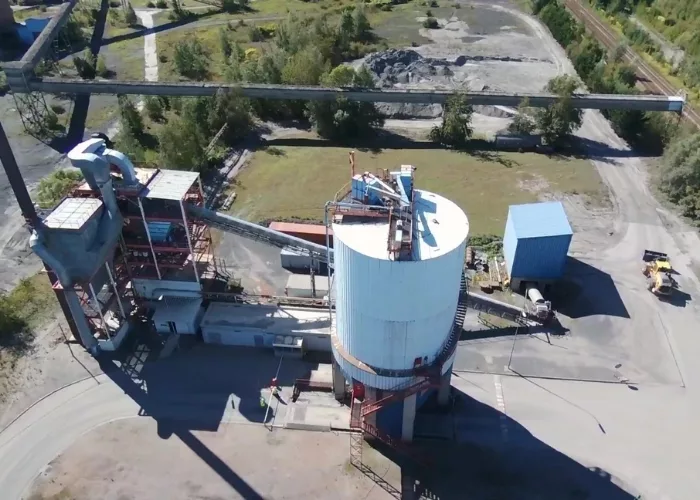
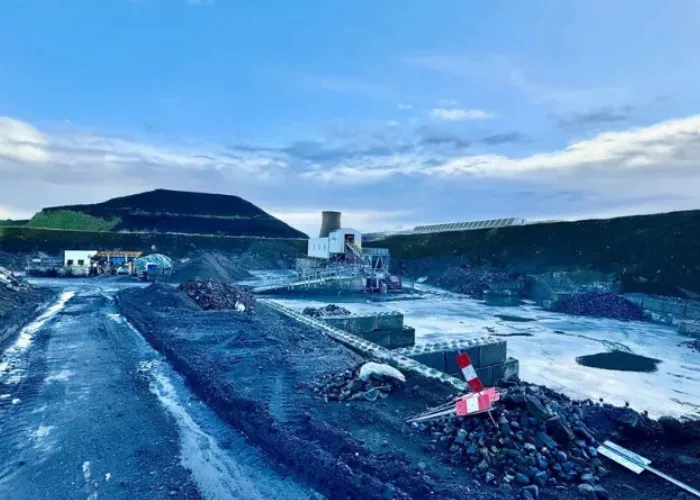
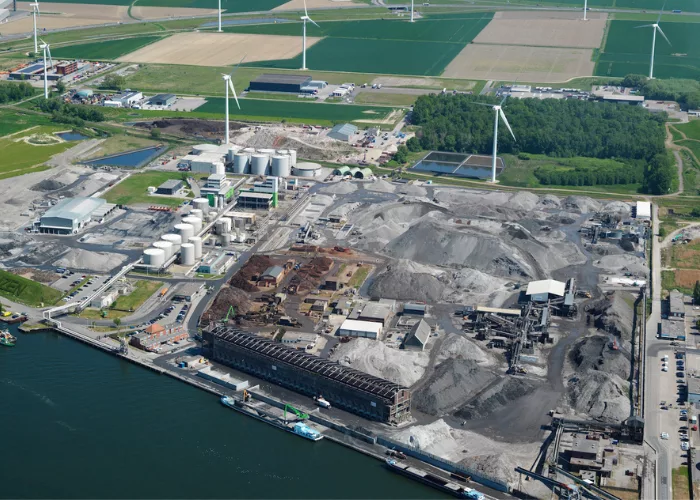
    Since 2014, this unique site has transformed steel dairy into recycled technical aggregates, marketed under the UGIROC brand.

    Biomass slag recovery: test board first mix ALBIOM-AG « concrete and slag »

    ALBIOMA

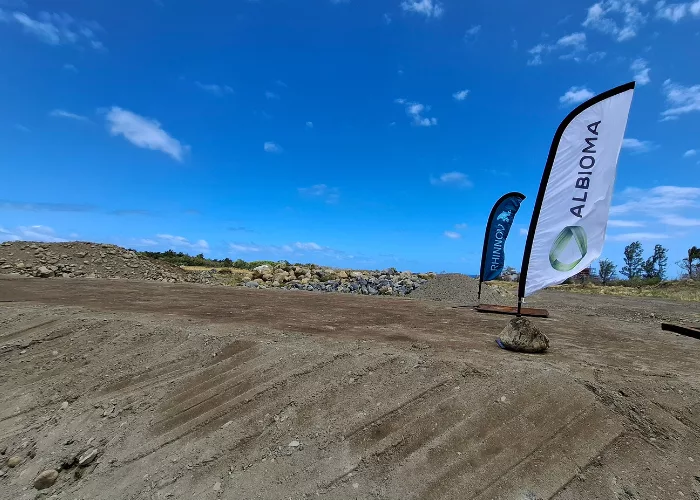
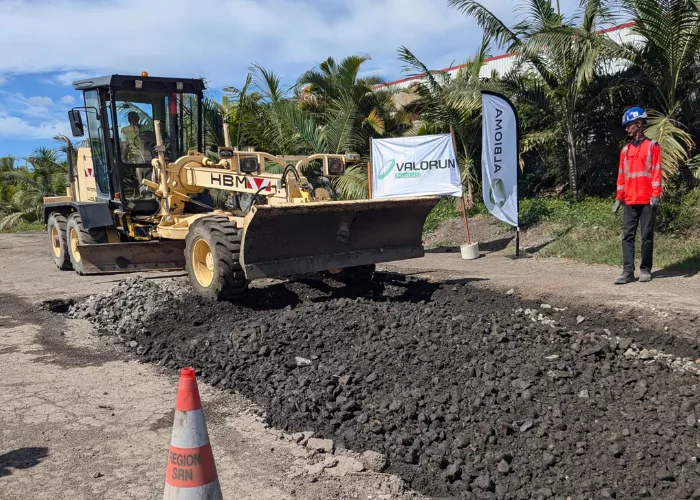
    A test plan was carried out at the VALORUN site in La Réunion to evaluate materials for road infrastructure. The project aims to develop biomass residues and recycled concrete aggregates in a circular economy approach.

    First in France: a construction site made entirely with ACT1 low carbon cement

    ECOCEM

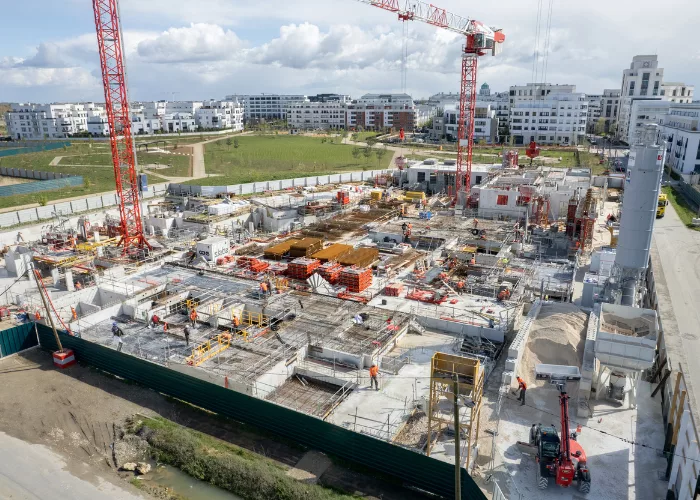
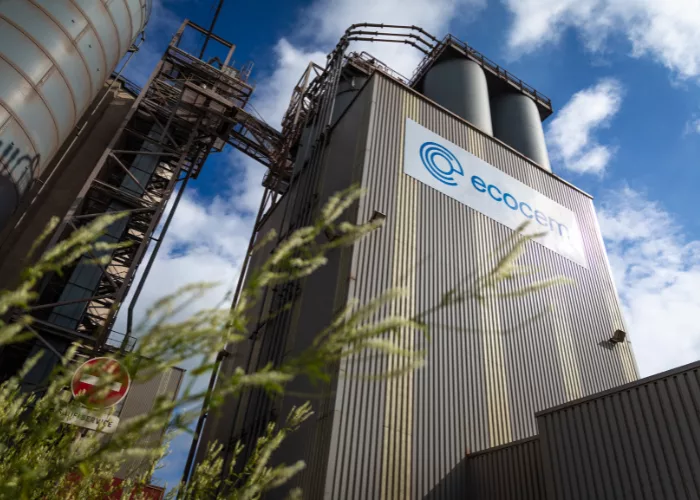
    In line with environmental regulations RE 2020, the programme in Chessy (77) includes 147 housing units and 4 houses, i.e. 9000m3 of concrete based on ACT1 cement produced with a mobile concrete plant on site.

    Dredging Sediment Development – Modernization of the Naye Ferry Terminal

    CAPACITIES

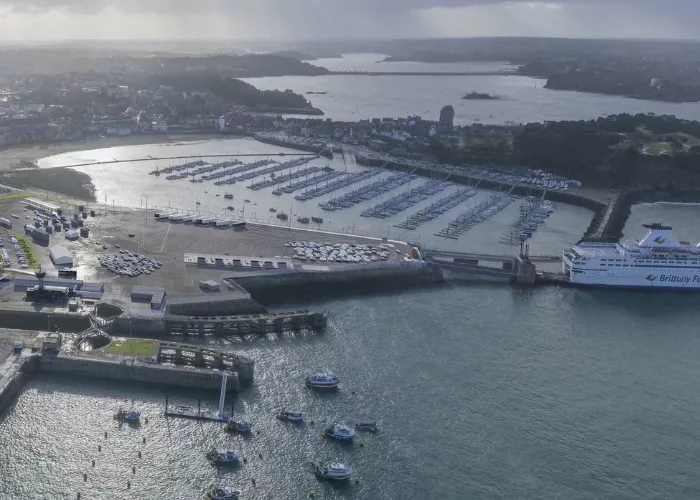
    As part of the modernization of the ferry terminal of the Naye in Saint-Malo, the Brittany Region has entrusted Capabilities with a study to improve dredging sediments. The project aims at their local re-employment in embankments and port infrastructure.

    Project LIBAROT®: Low carbon hydraulic binder based on shellfish co-products

    ROAD EFFECTS & SCHOOL BUILDERS

    The LIBAROT® project, launched in 2023 to develop a low-carbon road hydraulic binder based on shellfish co-products, reduces the carbon impact of road infrastructure.

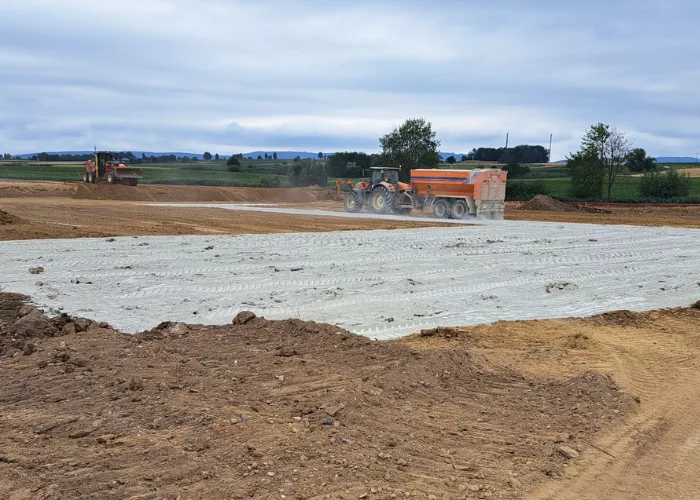
    Valorisation of steel dairy: creation of a parking lot and industrial storage platform

    HARSCO ENVIRONMENTAL

    In 2019, as part of the implementation of the Poma industrial site, this project focused on the development of a parking lot and an outdoor storage platform.

    Valorisation of steel dairy: a sustainable parking project

    HARSCO ENVIRONMENTAL

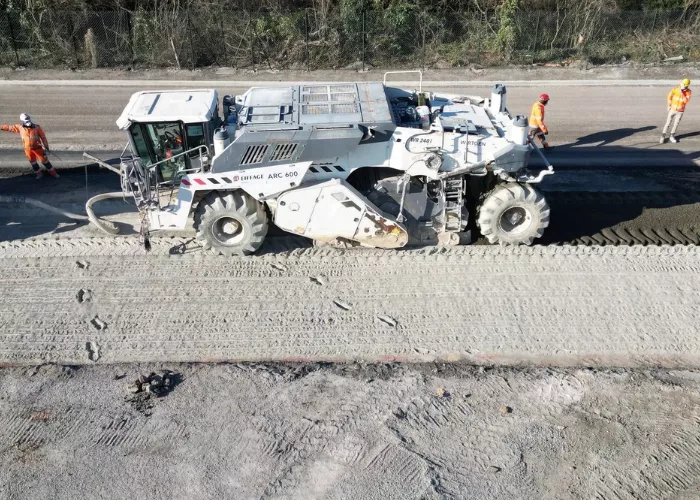
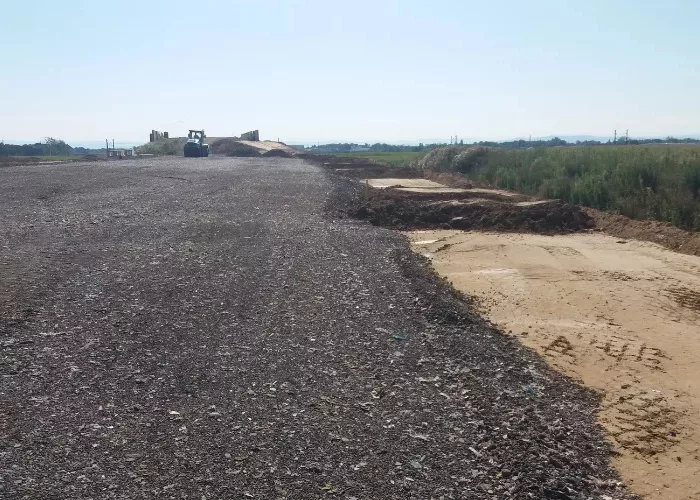
    The construction site includes the earthworks and the construction of roads and platforms necessary for traffic and parking spaces, in a process of valorizing alternative materials through the use of steel dairy in the foundation layers of the works.

    Laboratory tests and large-scale tests for low carbon concrete ACT

    ECOCEM

    In early 2025, Bouygues Construction and Ecocem signed a partnership to scale up ACT, the reduced carbon technology developed by Ecocem.

    ACT1 ECOCEM: a technical recognition that accelerates low-carbon innovation

    ECOCEM

    Ecocem continues the deployment of its ACT technology dedicated to reducing the carbon footprint of cement materials. In June 2025, ACT1, the first operational version of this technology, obtained a Technical Evaluation of Products and Materials issued by the Building Science and Technology Centre.

    Soil treatment from fly ash

    NORSKE SKOG GOLBEY

    Norske Skog Golbey, a member company of AFOCO, has launched a laboratory study, in collaboration with CEREMA, to validate the use of fly ash in soil treatment applications.

    Biomass slag recovery: test board ALBIOM-AG mix « serious natural and slag »

    ALBIOMA

    In 2025, a test board was made on the site of the new career of TERALTA in La Réunion. This project aims to develop by-products from biomass combustion in development projects, earth and road infrastructure.

    Mineral resources for carbon-free concrete binders

    CERIB

    This report presents an assessment of the short-term availability of mineral additions and components of cements other than clinker and the medium-term outlook for these materials.

    Valorisation of steel dairy in a commercial development project

    HARSCO ENVIRONMENTAL

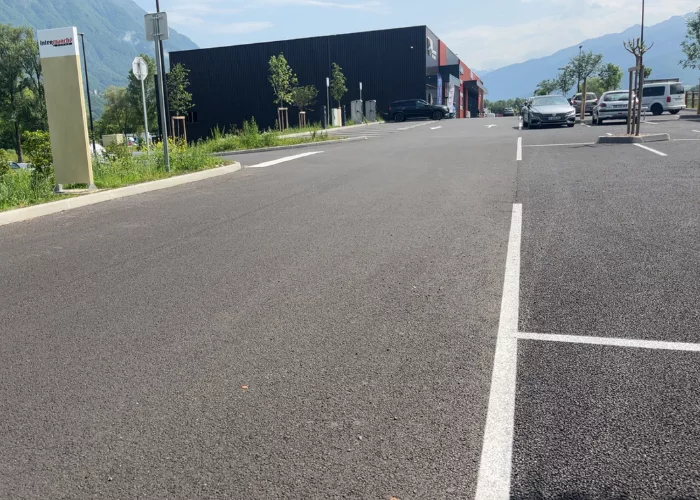
    In 2024, as part of the construction of a new store Intermarket, a complete exterior layout was carried out to ensure the accessibility of the site and the proper management of traffic flows.

    The Olympia model: digital, decarbonization, local and circular economy

    CERIB

    The Olympia model illustrates « the correct calculation » for the construction of housing with prefabricated concrete products.

    Strasbourg: Inert and serious chewing materials used in road infrastructure

    REMEX

    Between 2017 and 2020, REMEX provided alternative materials for several phases of the major infrastructure projects in Strasbourg, including the South Rocade, the West Grand Contour and various related works.

    Le Eleven Residence: adjuvantation for the use of recycled concrete sands and granulates

    CHRYSO

    The Le Eleven residence in Chartres is a set of 12 housing units built in compliance with the E2C1 approach, label created to contribute to the fight against climate change for new construction, short circuits in favor of the circular economy with a maintenance of the balance of costs.

    Gagny Quarry Filling Building (93)

    VEOLIA

    For 9 months, the old gypsum quarries of the city of Gagny were completed(93). The grouping of the three companies responsible for the work, chose to trust Veolia for the supply of 300,000 tons of B2 sandstone.

    Chantier de la Croix Verte : valorisation de grave de mâchefer

    VEOLIA

    With eight roundabouts and six kilometres of shoulder straps, the Green Cross interchange links the A16 motorway to the Francilienne - RN104. It is one of the most important road nodes in the Val-d的Oise. Open to traffic at the end of 2019, who imagines riding on roads made, in part, of recycled materials? Because, under the carriageway, 70,000 tons of grave New·O make up the shape layer. This recycled granulate comes from the recovery of chewer material, a solid residue of energy recovery of non-hazardous waste.

    ArcelorMittal Refractory Waste Management

    MIRECO

    In partnership with RHI Magnesita, the contract holder, Mireco is present at the ArcelorMittal site in Dunkirk to manage the 25,000 tonnes of refractory waste from the steelworks. Their mission is to ensure optimum management of these wastes, with a focus on their recovery and minimising their environmental impact.

    Materials flow optimization at DEW

    MIRECO

    Presented at its historic customer DEW in Geisweid, MIRECO provides all its services in industrial waste management and secondary raw material production. The company takes an innovative approach based on the CERO-Waste approach.

    Motorway A4 – Sanef: Valuing steel dairy

    EUROGRANUCATS

    Upgrading to 2x3 tracks of the A4 motorway (enlargement with the creation of a third lane in each traffic direction) between the A4/A31 (Hauconcourt Cross) and A4/A315 (Mey-Vantoux) interchanges on a 11 km motorway section, in 2 separate continuous sections.

    Building Empreinte: casting of the first slab from very low carbon cement and granulates of anthropocite

    NEOLITH

    Casting of the first slab from the very low carbon cement and granulates of Anthropocite® from the waste treatment by Accelerated Fossilization.
    The project was carried out in two parts, the first was cast in April (concrete of 5% of anthropocite) and the second in June 19 (concrete of 10% of anthropocite).

    Development of alternative materials in the production of concrete blocks

    TERRAG FRANCE

    TERRAG France supplied concrete blocks made from alternative materials from the glass industry and fluidized bed boiler sands, replacing natural aggregates, for the construction of the waste treatment platform.

    Efficient solution for the treatment of chewers in Issy-les-Moulineaux

    REMEX

    In partnership with HEROS, 100% subsidiary of REMEX, the company provided URBASER with an efficient solution for the treatment of chewers, technically and tariffly adapted, as part of the 8-year operation of the incineration plant of Issy-les-Moulineaux, one of the largest in France.

    CIRR building on A40: recovery of co-combustion ash in low carbon road binders

    ROAD EFFECTS

    Co-combustion ash recovery in low-carbon road binders applied to ground reprocessing: feedback on the CIRR site of the A40.

    Soil treatment using ash from co-incineration

    TERRAG FRANCE

    TERRAG France carried out the soil treatment on the site of the parking lot at the Soultz-sous-Forêt shopping centre, using ash from the co-incineration of stationery and wood sludge.

    Efficient solution to enhance REFIOM

    REMEX

    Through its REKS subsidiary, REMEX commits each year to the recovery of nearly 700,000 tonnes of REFIOM in Germany, thanks to an innovative and sustainable process.