Materials flow optimization at DEW
MIRECO
Recycling and recovery based on the CERO-Waste approach
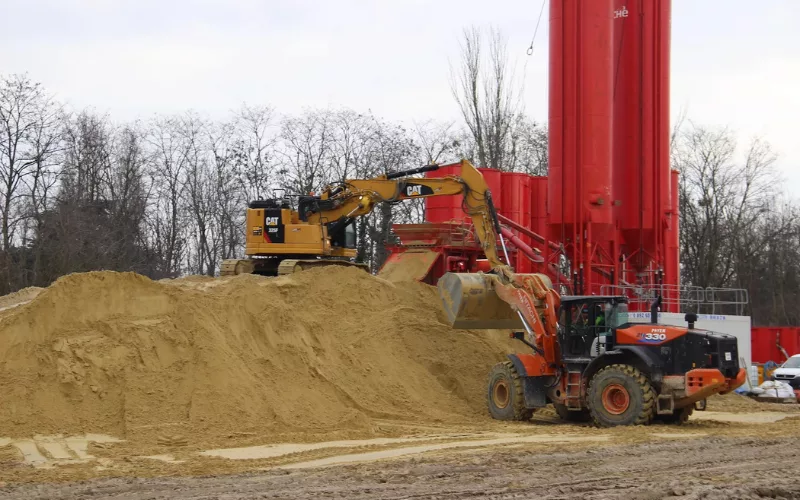
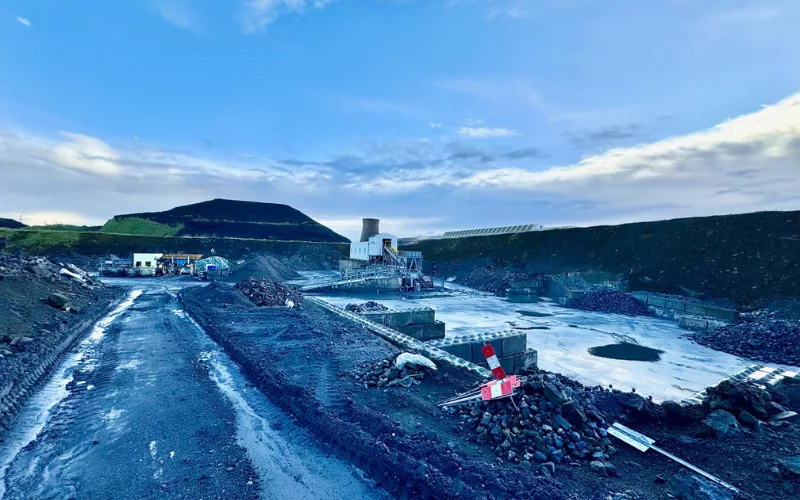
Presented at its historical customer DEW in Geisweid, MIRECO provides all its services in industrial waste management and secondary raw material production. The company takes an innovative approach based on the CERO-Waste approach. These secondary raw materials are mainly used in two essential streams:
-
MPS for refractories, which are transformed into materials for the steel industry and other similar sectors.
-
MPS for metallurgical applications, where these materials are used to improve metal production and processing processes.
The flow of refractories is managed in partnership with Horn & Co Products, an expert in the refractory sector, while the flux of metallurgical agents is mainly covered by MIRECO itself. Thanks to this close collaboration, the company was able to establish a fluid process for recycling and upgrading refractory waste, thus reducing the need for primary raw materials.
The CERO Waste concept of MIRECO It focuses on four service lines: deposit management, material sorting, recycling and disposal. These segments are directly linked to the three stages of the company's raw materials cycle: waste management, recycling and production.
In collaboration with their customers, MIRECO gives a second life to waste, which then re-enters the supply and value chain. Waste is never landfilled, making it possible to use resources responsibly and to increase security of supply. This concept is in line with the European Waste Framework Directive, ensuring process safety and legal certainty in the analysis, transport, documentation and disposal of waste.
Further information: CERO-Waste
Environmental impact and material circulation
This synergy has had a significant environmental impact: in one year it has saved more than 10,000 tonnes of CO2, thus contributing to the fight against climate change. In addition, it strengthened the company's independence from foreign suppliers, thereby reducing imports and promoting a more sustainable local economy. At the same time, MIRECO avoided the landfilling of thousands of tonnes of refractory waste, thus contributing to the reduction of industry's environmental footprint.
The MIRECO model perfectly illustrates the efficiency of a trio of key actors who have been able to close the circle of material circulation:
- User of refractories
- The producer of refractories
- MIRECO
Thus, MIRECO proves that it is possible to integrate ecological solutions while enhancing industrial efficiency, transforming waste into resources and creating business models that benefit both industries and the environment.