Dredging Sediment Development – Modernization of the Naye Ferry Terminal
Capacity
Project context
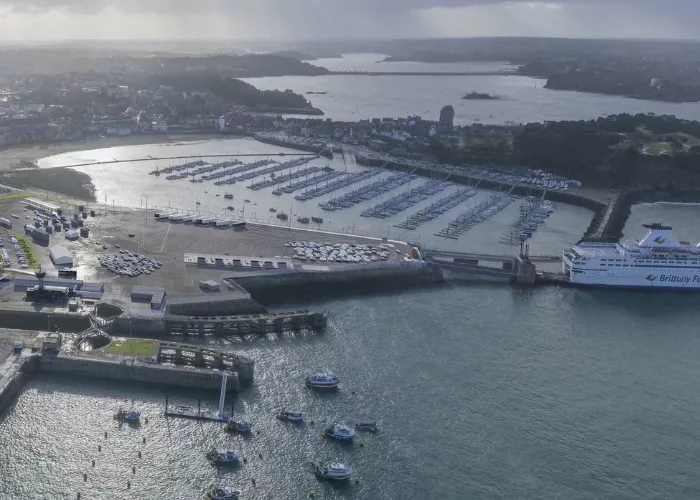
As part of the modernization of the ferry terminal of the Naye in Saint-Malo, the Region has initiated a dredging operation to maintain the pre-port and deepen the access channel. Confronted with environmental, regulatory and economic issues related to the management of extracted sediments, she called for Capacity to study recovery solutions, especially for fine fractions, which are generally more complex to reuse due to their moisture and organic content.
In collaboration with the GeM laboratory of Nantes University and several institutional and technical partners, this project aimed to transform these dredging sediments into locally mobilizable resources for use in embankments and port infrastructure.
Key information
-
Project period: June 2022 – April 2023
-
Project framework: Upstream and R&D study applied in a port infrastructure project
-
Contractor: Region
-
Site concerned: Terminal ferries du Naye – Port of Saint-Malo (35)
-
Partners involved:
-
Capacity
-
GeM Laboratory (Civil Engineering and Mechanical Engineering) – Nantes University
-
Other environmental study offices
-
-
Applications covered: Standard and technical embankments
-
Regulatory and Environmental Issues: Law « Blue Economy », reduced volumes of sediment submerged or disposed of
Ecosystem and partner roles
-
Capacity and GeM laboratory of Nantes University a central role of scientific and technical expertise, from sediment characterization to interpretation of results and identification of relevant recovery solutions.
-
Other specialised firms In parallel, environmental studies on raw sediments were conducted and their compatibility with landscape uses or surface developments was assessed.
-
The Region, as the contractor, led the project and integrated the results into its overall dredging material management strategy.
Scientific and technical approach
The work was conducted in a progressive and structured approach, structured around three main stages:
1. Sediment characterization
The purpose of this phase was to understand the nature and variability of materials in order to adapt the formulations:
- granulometric analyses, Water and organic content measurement.
2. Stabilization and improvement of mechanical performance
The sediments were treated to improve their mechanical behaviour and suitability for use:
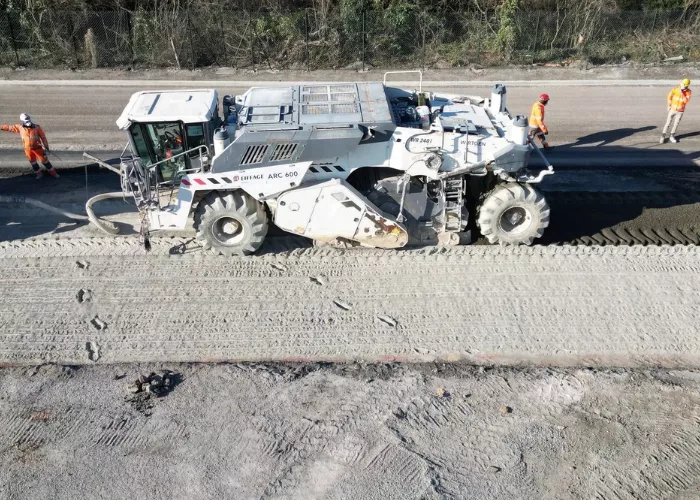
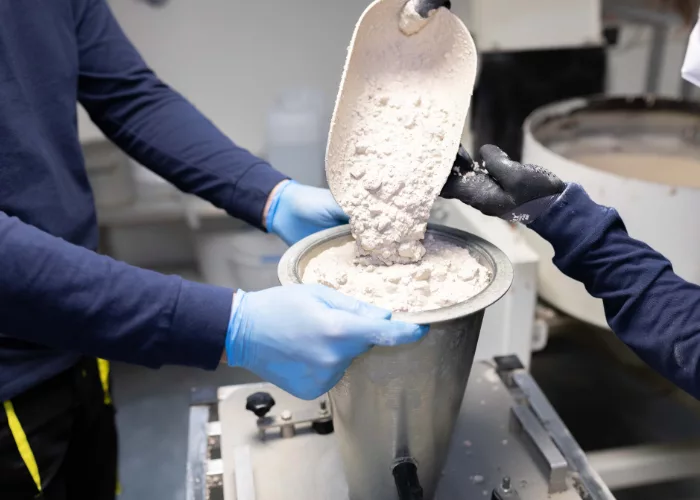
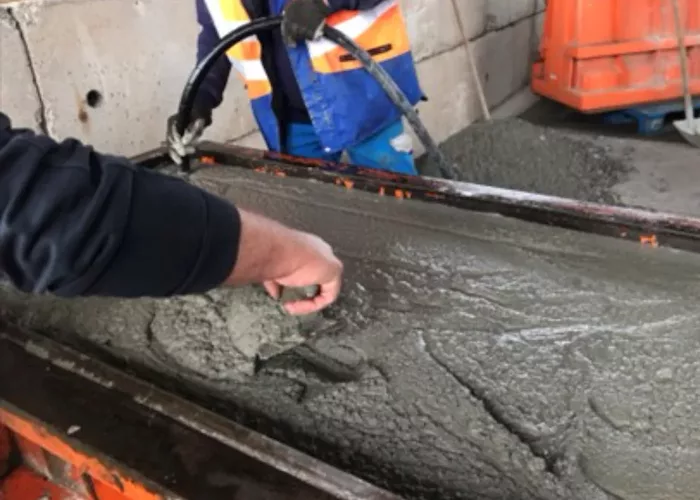
▸ Addition of binders (lime, cement) to reduce moisture and neutralize organic matter.
3. Evaluation of sustainability and long-term behaviour
The formulations selected were monitored over time to ensure the sustainability and safety of the works:
▸ Time monitoring of mechanical resistance and swelling.
The results were analysed in the light of the existing benchmarks, in particular the Guide to Road Terraces (GTR).
Developed solutions and targeted uses
Experimental result
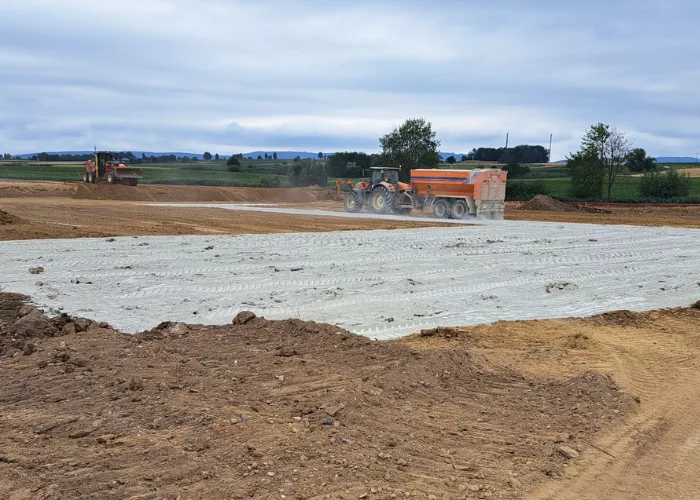
The work has enabled us to define solutions suitable for use in ordinary or technical embankment.
Fine sediments can be reused after treatment:
- Reduction of water content to 18% and lime/cement mixture for stabilization® Moister water sensitivity and reduction of organic matter.
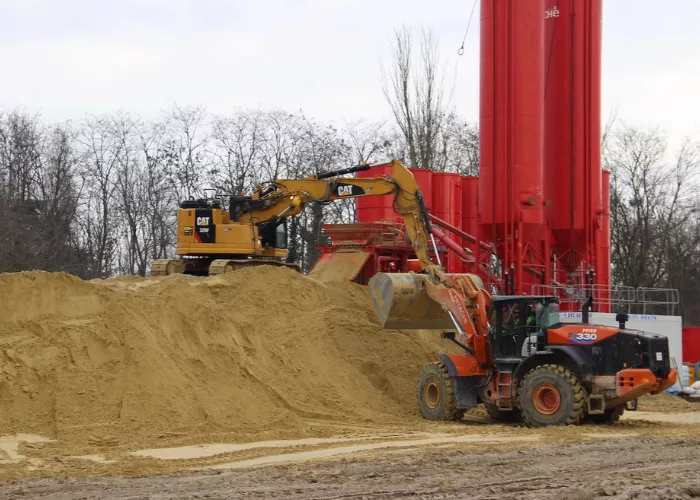
- Association with sandy sediments to improve the granular skeleton
- Good lift and strength (material type AR1 according to GTR, having a compression resistance exceeding 35 MPa) for use in embankment
Operational implementation
In Saint-Malo, these results contributed to a better understanding of the properties and development pathways of these sediments. The Brittany Region has decided to:
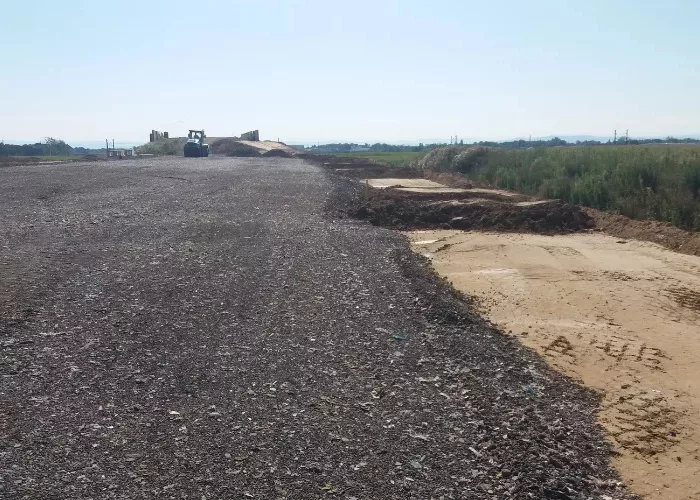
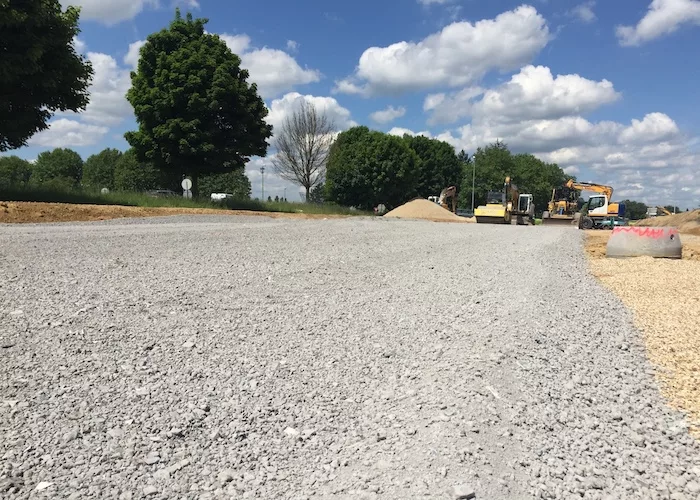
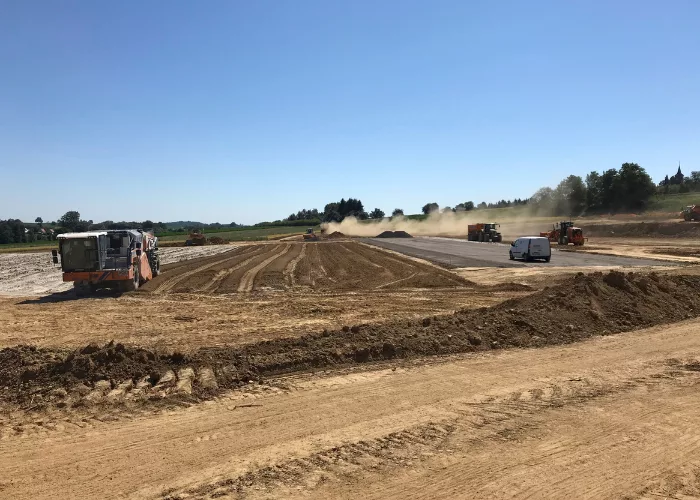
- a levelling of a soil by reuse of sandy sediments,
- the use of treated fine particles for the reconstruction of embezzlements, structures ensuring the protection and guidance of access to the Naye Lock and inner basins.
Conclusion
The integration, from the consultation stage, of recovery studies supported by laboratory tests seems essential in order to identify and test solutions that are both relevant and effective, adapted to local specificities (geographical context, nature of sediments, needs of the territory).
This approach also makes it possible to consider valuing all the materials from the dredging, including the most complex fractions to be treated.