Alternative materials
Afoco promotes all by-products from the processing of industrial alternative materials. The aim is to enhance these alternative materials in industry, the BTP, to replace traditional materials taken from the natural environment.
French experience in the use of alternative industrial materials
Mr GITZHOFER – President AFOCO – PPRS Paris 24 February 2015
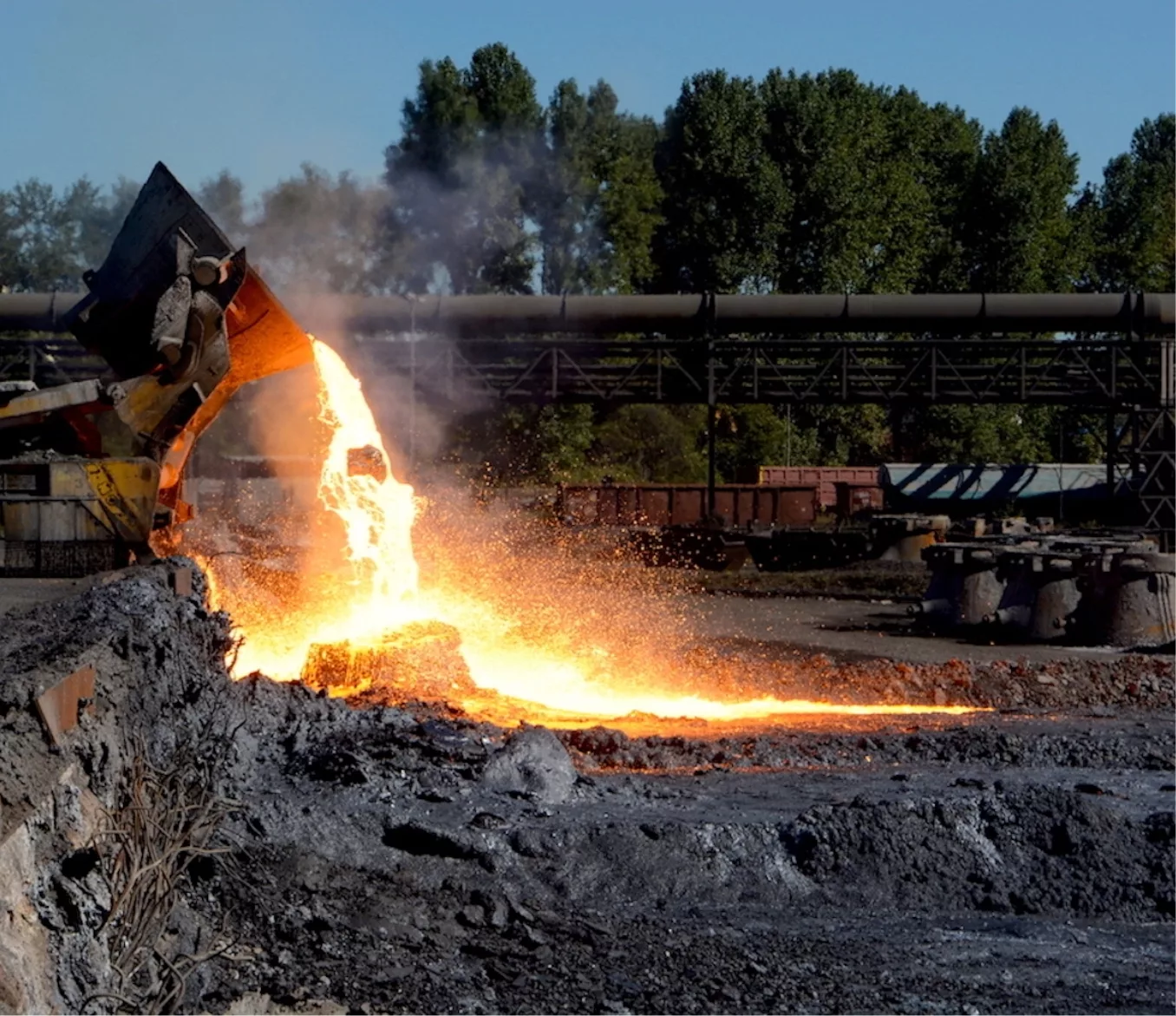
Steel, fresh production and stock
Steel dairy is the waste from the conversion of iron into steel. They are mainly blast furnace (LHF), converter (LD) and electric steelworks (LAC). They can be recovered during the manufacturing process (fresh production) or at the storage site.
Crystallized blast furnace dairy
Dairy LD
Electric steel dairy
Learn more about dairy
Ashes of thermal power plants
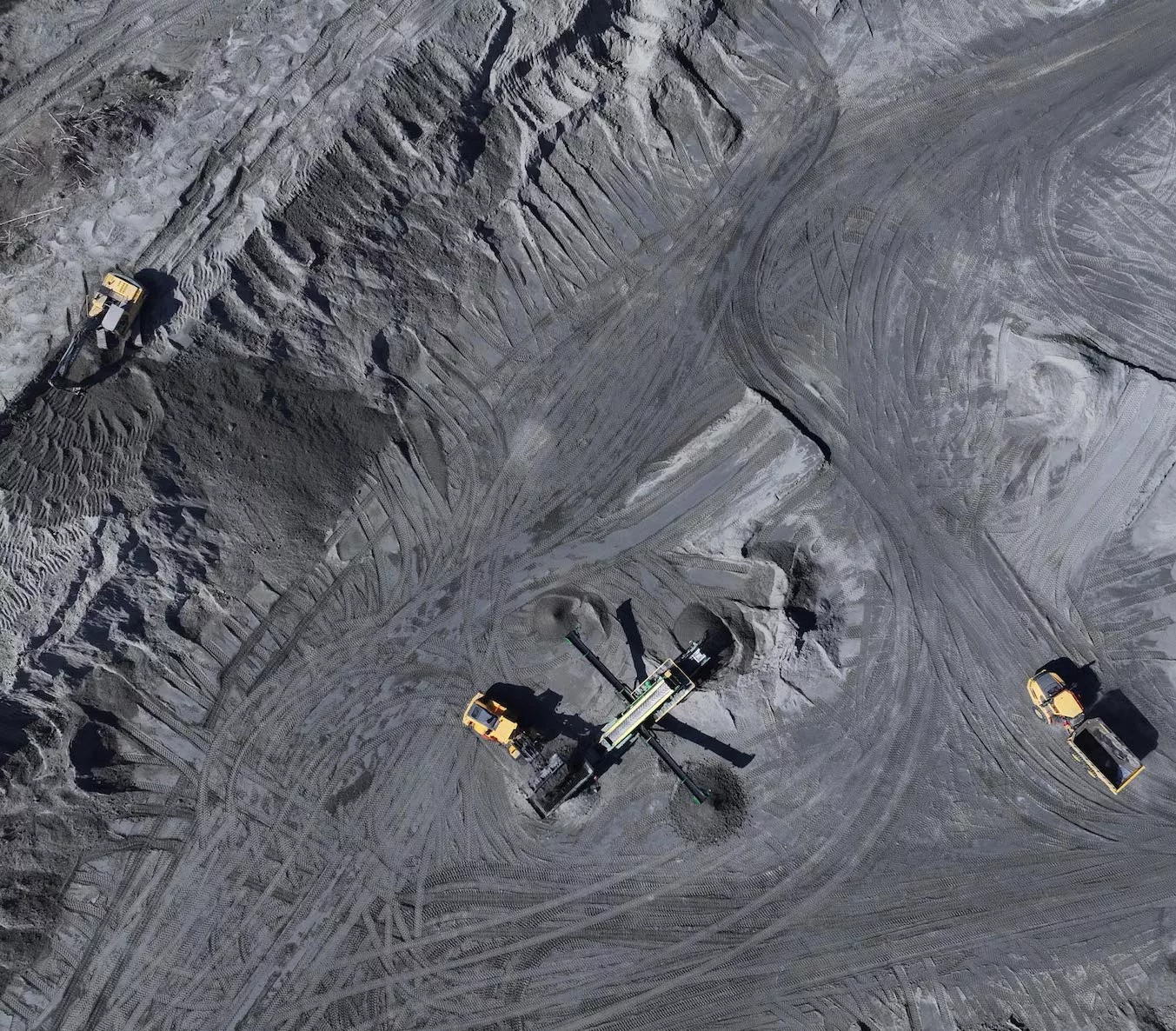
Fly ash of coal is the residue of burning fossil material in thermal power plants to produce electricity. These alternative materials are present in France in the old coalfields (mainly Nord-Pas-de-Calais, Lorraine and Provence) or near the ports that allow coal to be imported. Fly ash is registered under 10 01 02 of the European Waste List (Green List), and is not classified as hazardous waste.

Ash from biomass combustion
Ashes from biomass combustion correspond to the fine fractions collected in the dust removal and recovery circuits of biomass boilers.
Two families must be distinguished: bagasse ash from burning a local sugar cane residue, and pellet ash from burning certified imported pellets. This distinction is structural: bagasse ash has a composition close to the fly ash of coal, while pellet ash is more variable and richer in sulphate, chloride, calcium, alkaline and soluble phases.
Further information
Coal shales
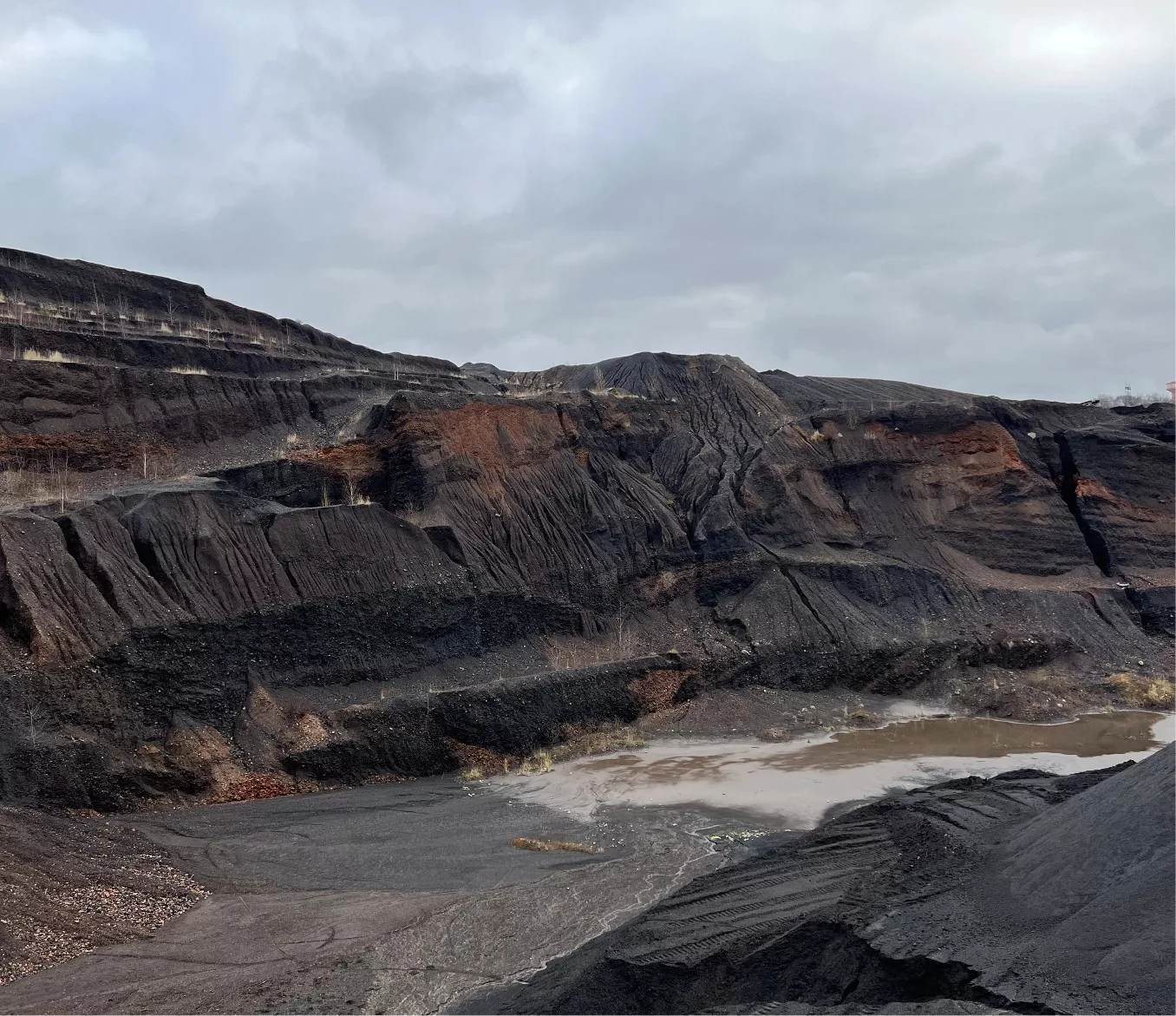
Coal shales are alternative materials from the coal industry. These are the rocks extracted at the same time as the main product which is coal.
Further information
Non-dangerous waste incineration (MIDD)
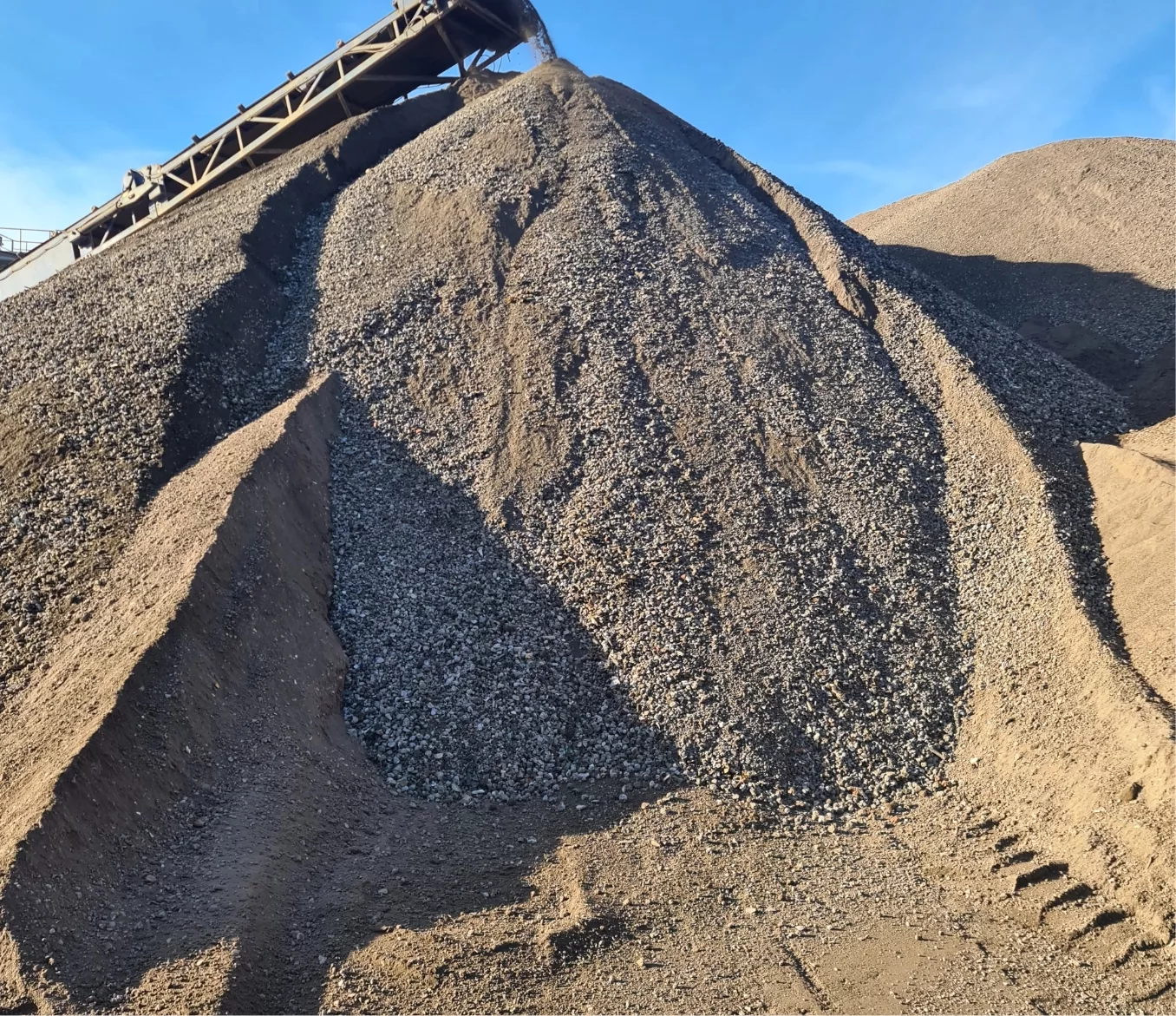
MIDNDs are mineral residues that remain after incineration of household waste. Their valuation is subject to criteria, including environmental criteria, as set out in the Ministerial Order of 18 November 2011 and the SETRA Implementation Guide of October 2012.
Further information
Smelter sands
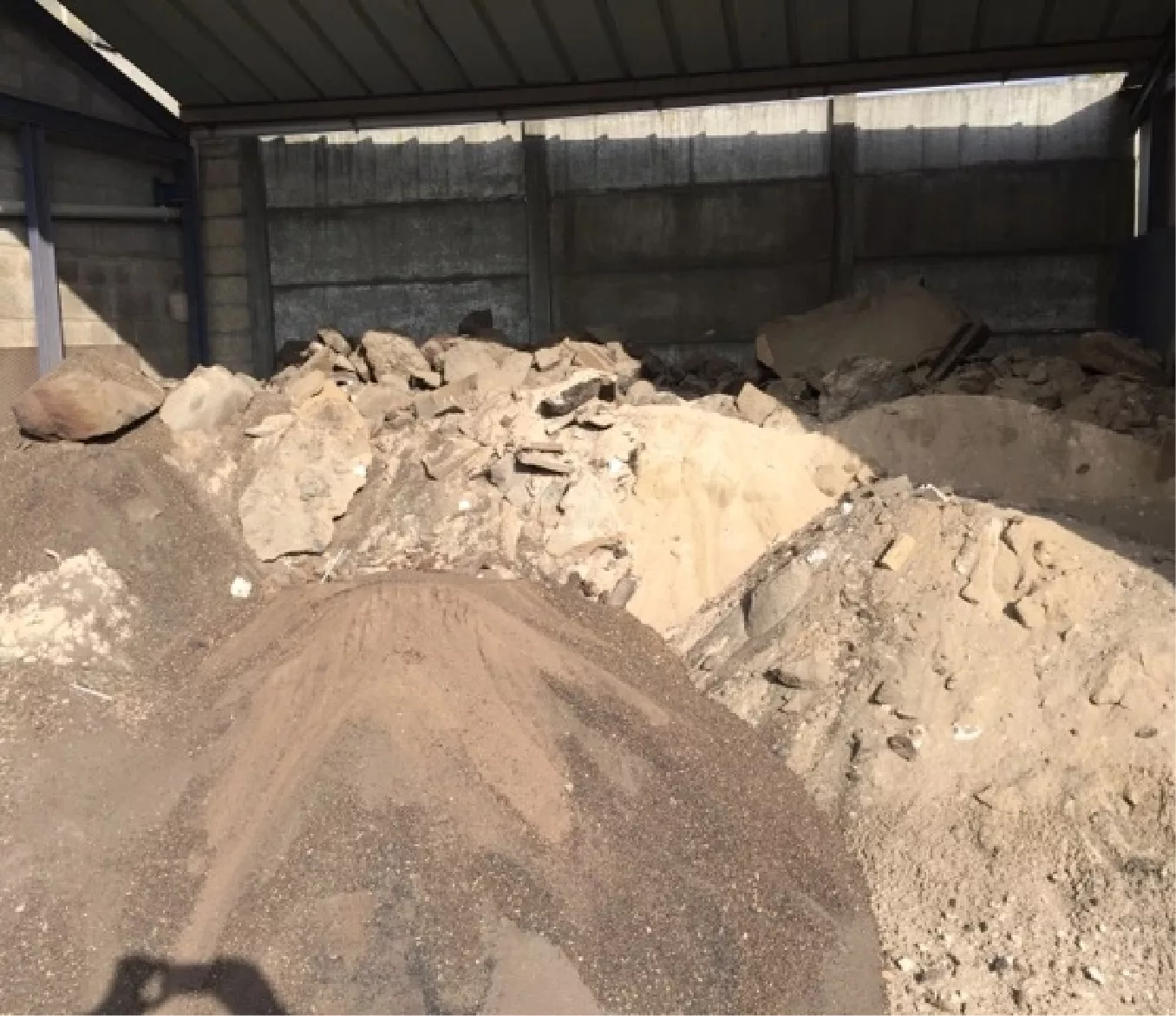
Sands used to form moulds and cores in the foundry industry can be recycled, particularly in the BTP. A Cerema application guide on environmental acceptability of smelter sands in road technology was published in 2019.
Further information
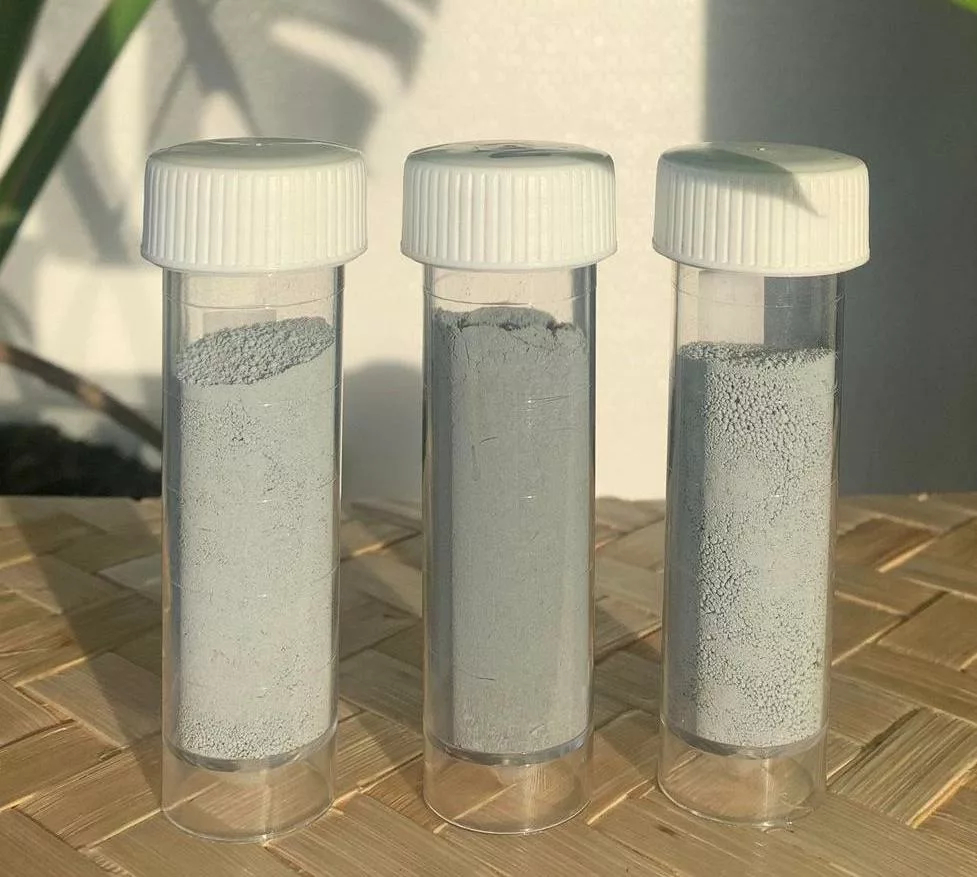
Silica smoke
Made from silicon metal, it is now mainly used in high and ultra-high-performance concretes, projected concretes, externally resistant concretes and low-carbon concretes.
Ultrafine, light grey, highly puzzolanic, silica fume is mainly composed of spherical particles of amorphous and non-crystalline silicon dioxide (SiO2).
It is CE marked in accordance with the European product standard NF EN 13263 (system 1+).
The benefits of silica fume in concretes:
- improving rheological characteristics,
- increased mechanical performance,
- gain on rebound,
- improving sustainability criteria,
- decrease in carbon footprint...
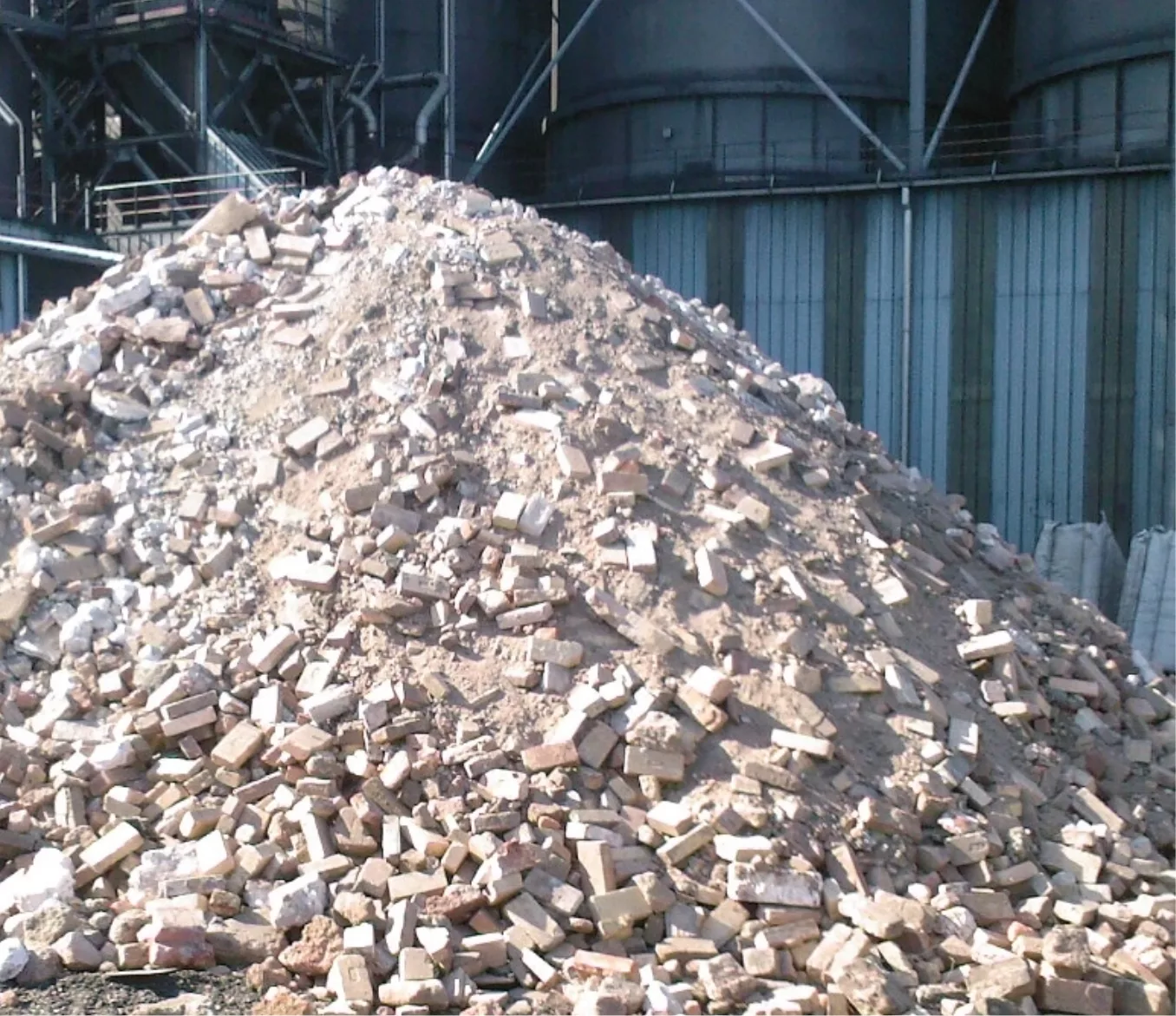
Used refractories
Used refractory coatings have very high temperature resistance properties. They are used for the creation and repair of any facility requiring heat conservation and resistance to high temperatures.
Further information
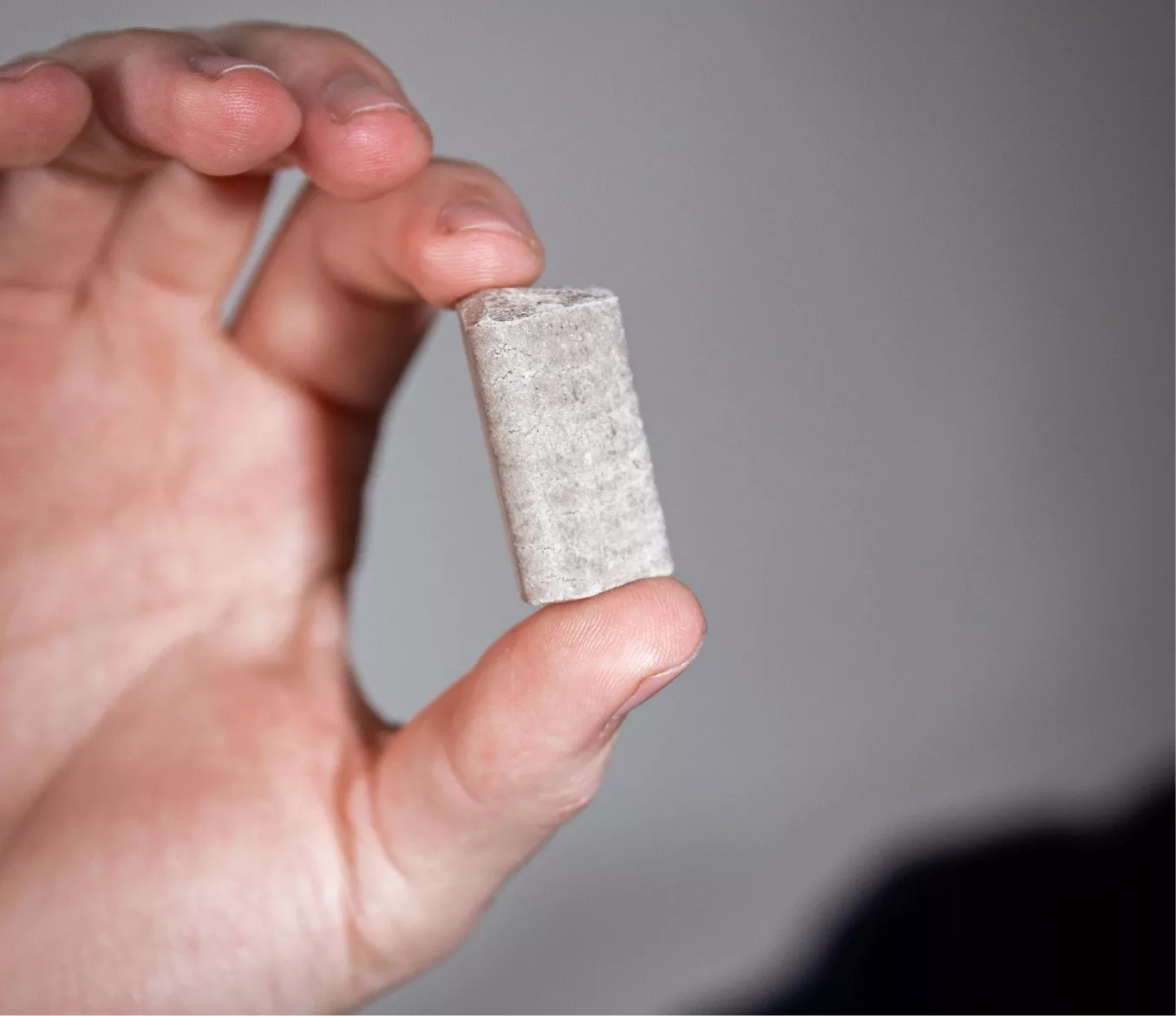
Granulats of Anthropocite
Mineral aggregates from the Accelerated Fossilization of Waste are called « Anthropocite© ». They can replace natural aggregates from quarries for non-structural concrete use, without technical or environmental risk.
In addition, they act as carbon sinks by preventing the degradation of biogenic materials contained in the site DIB. Anthropocite© has a negative carbon footprint, i.e. for one tonne of aggregates produced, 337 kg of equivalent CO2 is stored in aggregates. The production and use of these aggregates therefore have a positive effect on the environment.