Valorisation des laitiers sidérurgiques : un projet de parking durable

HARSCO Environmental

Project context

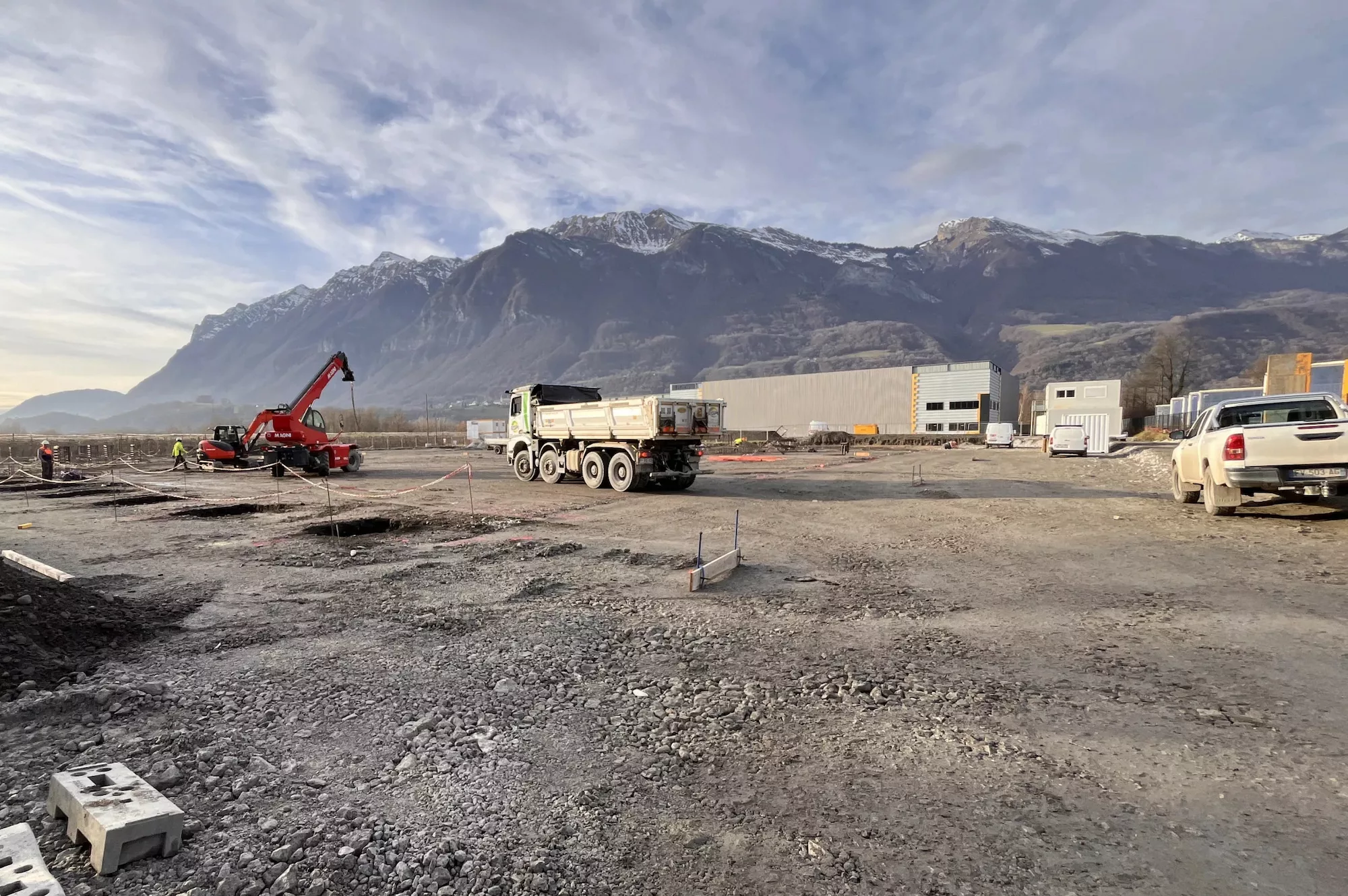
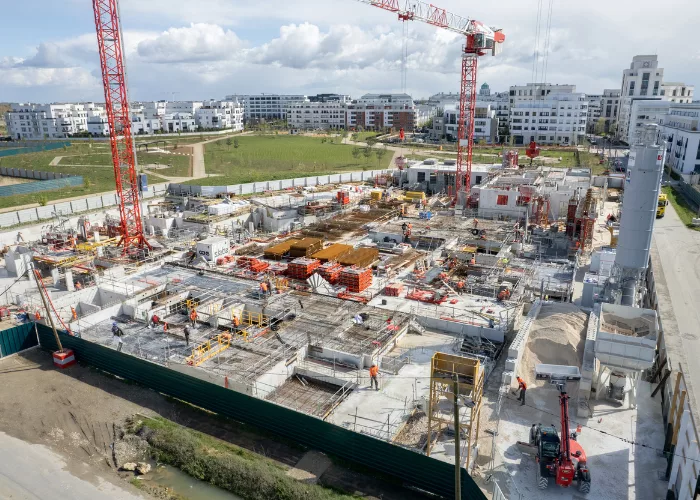
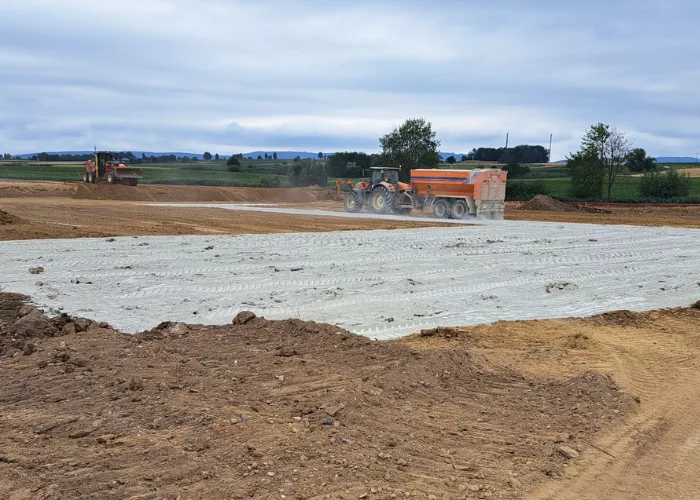
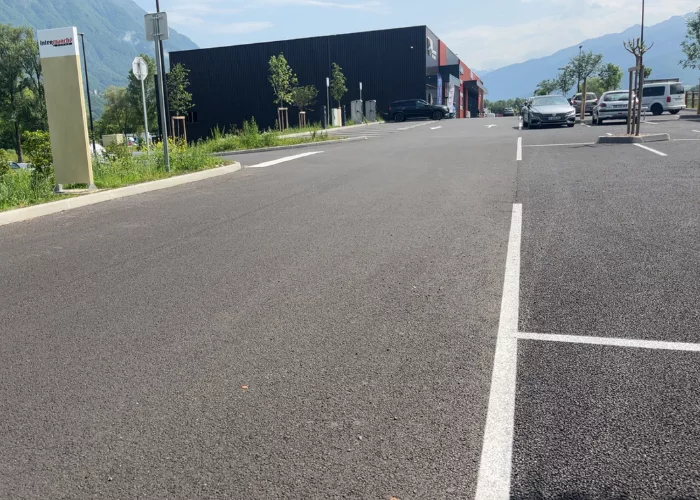
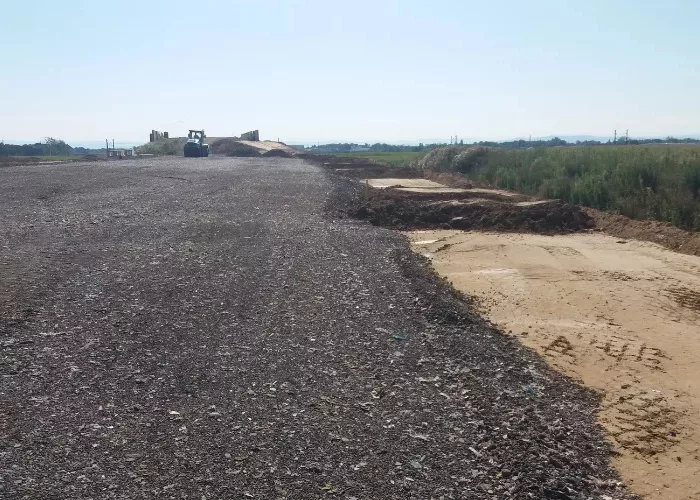
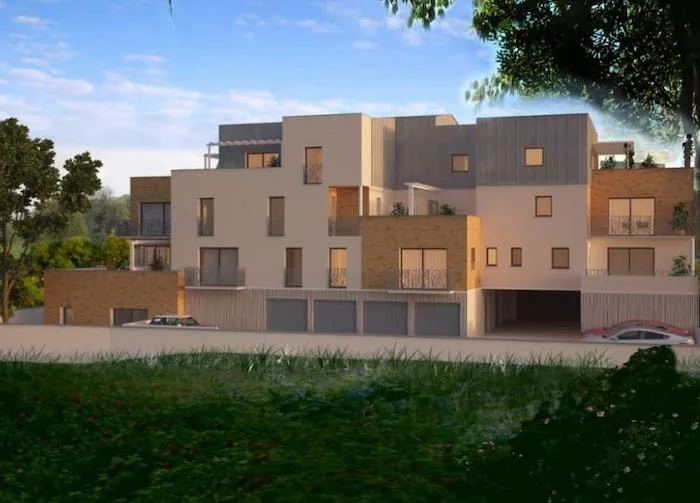
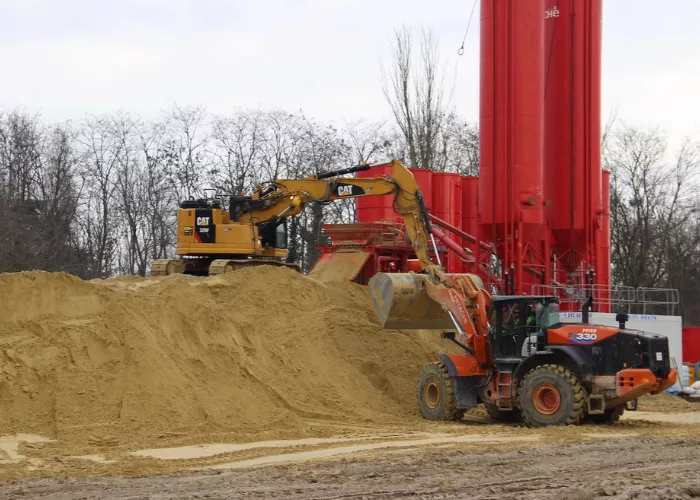
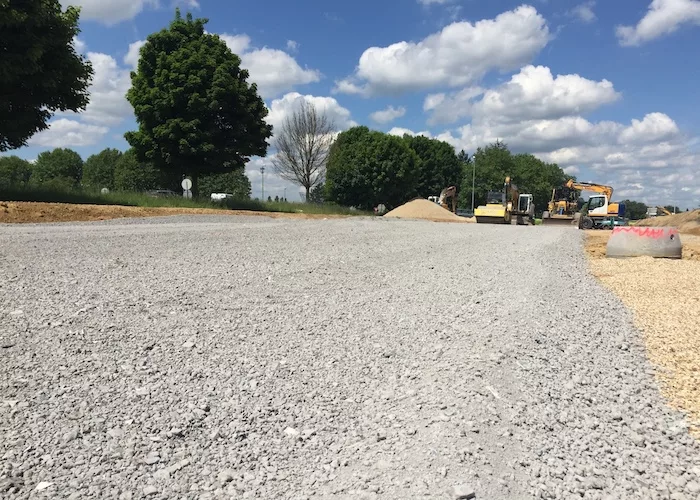
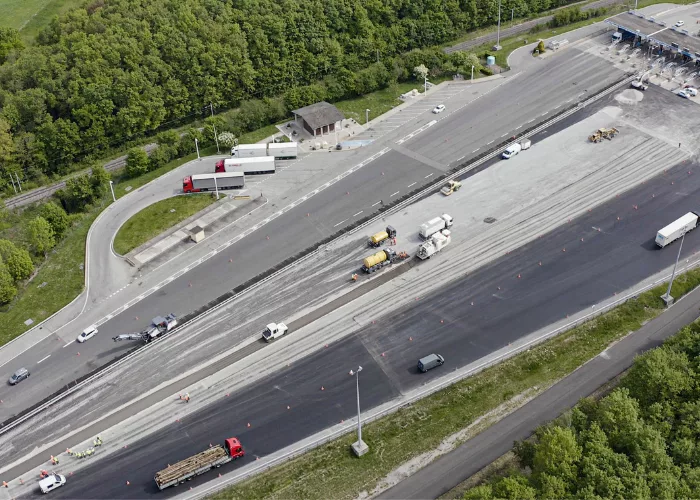
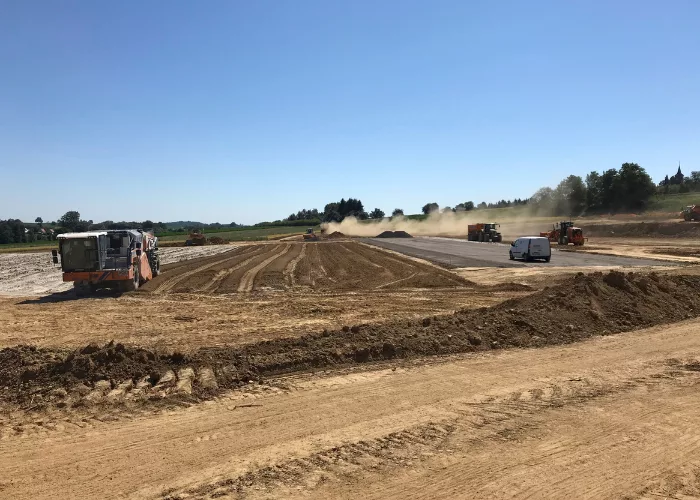
Dans le cadre de l’aménagement des abords d’un bâtiment neuf, HARSCO Environmental participe actuellement à la réalisation d’un parking destiné au stationnement des usagers et visiteurs du site. Le chantier comprend les travaux de terrassement, la préparation des plateformes et la réalisation des structures de voirie nécessaires au fonctionnement des espaces de circulation et de stationnement. Cette opération s’inscrit dans une démarche de valorisation de matériaux alternatifs grâce à l’utilisation de laitiers sidérurgiques dans les couches de fondation des ouvrages.

Project objectives

Le projet vise plusieurs objectifs :

  • créer des espaces de stationnement adaptés aux besoins du site ;
  • garantir la durabilité des plateformes circulées ;
  • intégrer des matériaux issus de la valorisation sidérurgique ;
  • réduire l’utilisation de ressources naturelles ;
  • inscrire le chantier dans une logique d’économie circulaire.

Nature des travaux en cours

Les travaux réalisés autour du bâtiment neuf comprennent :

  • les terrassements généraux ;
  • la préparation et la mise à niveau des plateformes ;
  • la réalisation des couches de fondation ;
  • les aménagements de voirie et de stationnement ;
  • l’organisation des accès et des circulations pendant les travaux.

Études, recherches et essais

En amont et pendant le chantier, plusieurs études techniques et essais
réglementaires sont menés afin de garantir la compatibilité du projet avec l’utilisation
de laitiers sidérurgiques.

◾️ Études techniques

  • étude de portance des sols ;
  • analyse du contexte environnemental du site ;
  • vérification de la compatibilité des matériaux avec les usages prévus ;
  • dimensionnement des structures selon les trafics attendus.

◾️ Essais réglementaires et caractérisation des matériaux

Les matériaux font l’objet de contrôles spécifiques :

  • essais de lixiviation ;
  • essais d’expansion ;
  • établissement des fiches techniques produits.

Ces investigations permettent de valider l’aptitude des matériaux à une utilisation en infrastructures et aménagements extérieurs.

Ecosystem, stakeholders and partners

Le projet mobilise différents acteurs afin d’assurer la réussite technique et opérationnelle du chantier :

  • maître d’ouvrage ;
  • bureau d’études ;
  • entreprise de travaux publics ;

La coordination entre les intervenants permet d’intégrer efficacement les exigences réglementaires, environnementales et techniques du projet.

Performances techniques attendues

L’utilisation des laitiers sidérurgiques doit permettre d’obtenir :

  • une bonne résistance mécanique des couches de fondation ;
  • une stabilité durable des plateformes ;
  • une adaptation des structures aux flux de circulation attendus ;
  • une bonne tenue des ouvrages dans le temps.

Le suivi du chantier et les contrôles réalisés permettront de confirmer les performances du matériau dans les conditions réelles d’exploitation.

Environmental impacts and circular economy

The project contributes to a more sustainable construction approach through:

  • la valorisation de laitiers sidérurgiques ;
  • la réduction du recours aux ressources naturelles ;
  • la limitation des matériaux destinés à l’enfouissement ;
  • l’optimisation de l’utilisation des ressources ;
  • le développement de l’économie circulaire dans les travaux publics.

Cette opération illustre l’intégration progressive des matériaux alternatifs dans les projets d’aménagement et d’infrastructures.

Outlook

Ce chantier s’inscrit dans la continuité du développement de solutions de valorisation matière pour :

  • les parkings et plateformes ;
  • les voiries ;
  • les aménagements urbains ;
  • les infrastructures industrielles et logistiques.

À travers cette opération, HARSCO Environmental poursuit son engagement en faveur de solutions innovantes et durables au service des infrastructures et de l’économie circulaire.

Strasbourg – Rocade Sud Grand Contourment Ouest - REMEX

Between 2017 and 2020, REMEX provided alternative materials for several phases of the major infrastructure projects in Strasbourg, including the South Rocade, the West Grand Contour and various related works.

Le Eleven Residence - CHRYSO

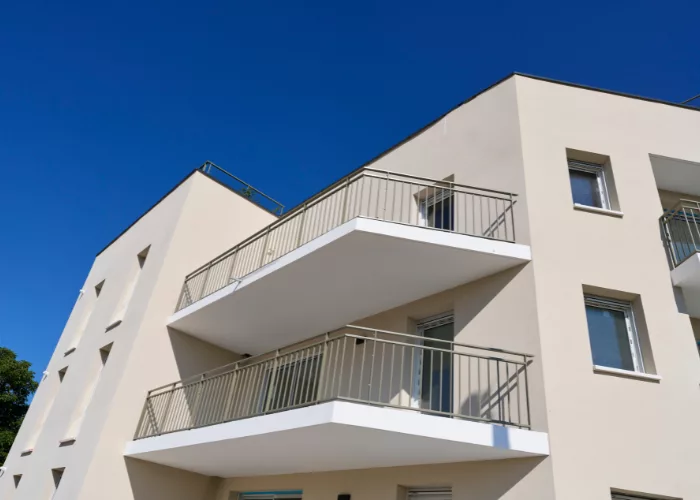
The Le Eleven residence in Chartres is a set of 12 housing units built in compliance with the E2C1 approach, label created to contribute to the fight against climate change for new construction, short circuits in favor of the circular economy with a maintenance of the balance of costs.

Gagny Quarry Filling Building (93) - VEOLIA

For 9 months, the old gypsum quarries of the city of Gagny were completed(93). The grouping of the three companies responsible for the work, chose to trust Veolia for the supply of 300,000 tons of B2 sandstone.

Green Cross Building - VEOLIA

With eight roundabouts and six kilometres of shoulder straps, the Green Cross interchange connects the A16 motorway to the Francilienne – RN104. It is one of the most important road nodes in the Val-d的Oise. Open to traffic at the end of 2019, who imagines riding on roads made, in part, of recycled materials? Because, under the carriageway, 70,000 tons of grave New·O make up the shape layer. This recycled granulate comes from the recovery of chewer material, a solid residue of energy recovery of non-hazardous waste.

ArcelorMittal Refractory Waste Management - MIRECO

In partnership with RHI Magnesita, the contract holder, Mireco is present at the ArcelorMittal site in Dunkirk to manage the 25,000 tonnes of refractory waste from the steelworks. Their mission is to ensure optimum management of these wastes, with a focus on their recovery and minimising their environmental impact.

Materials flow optimization at DEW - MIRECO

Presented at its historical customer DEW in Geisweid, MIRECO provides all of its services in industrial waste management and secondary raw material production. The company takes an innovative approach based on the CERO-Waste approach.

Highway A4 Sanef - EUROGRANUCATS

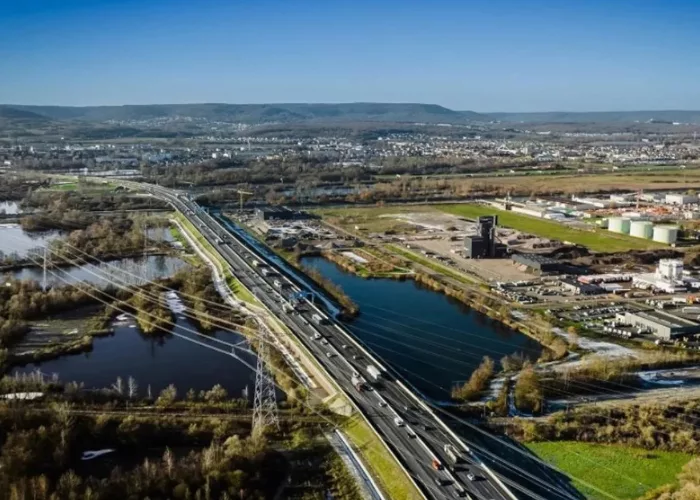
Upgrading to 2×3 lanes of the A4 motorway (enlargement with the creation of a third lane in each traffic direction) between the A4/A31 interchanges (Hauconcourt Cross) and A4/A315 (Mey-Vantoux) on a 11 km motorway section, in 2 separate continuous sections.

Building Imprint - NEOLITHE

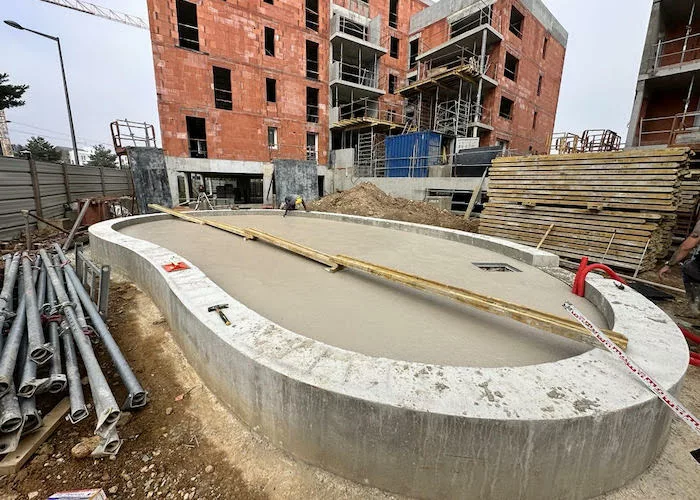
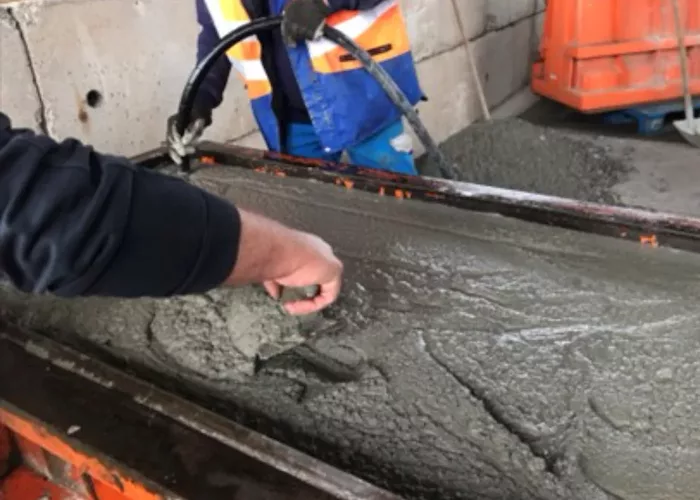
Casting of the first slab from the very low carbon cement and granulates of Anthropocite® from the waste treatment by Accelerated Fossilization.
The project was carried out in two parts, the first was cast in April (concrete of 5% of anthropocite) and the second in June 19 (concrete of 10% of anthropocite).

Waste treatment platform - TERRAG FRANCE

TERRAG France supplied concrete blocks made from alternative materials from the glass industry and fluidized bed boiler sands, replacing natural aggregates, for the construction of the waste treatment platform.

Issy-les-Moulineaux - REMEX

In partnership with HEROS, 100% subsidiary of REMEX, the company provided URBASER with an efficient solution for the treatment of chewers, technically and tariffly adapted, as part of the 8-year operation of the incineration plant of Issy-les-Moulineaux, one of the largest in France.

CIRR Building on A40 - ROAD EIFFAGE

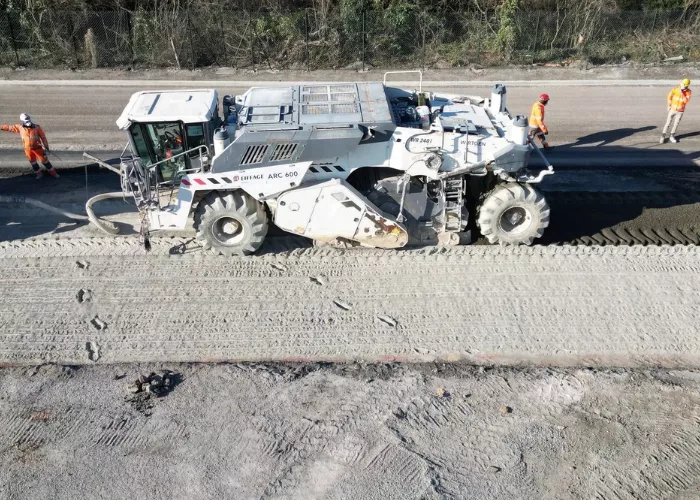
Co-combustion ash recovery in low-carbon road binders applied to ground reprocessing: feedback on the CIRR site of the A40.

Centre Commercial de Soultz-sous-Forêt - TERRAG FRANCE

TERRAG France carried out the soil treatment on the site of the parking lot at the Soultz-sous-Forêt shopping centre, using ash from the co-incineration of stationery and wood sludge.

Recovery of Refiom - REMEX

Through its REKS subsidiary, REMEX commits each year to the recovery of nearly 700,000 tonnes of REFIOM in Germany, thanks to an innovative and sustainable process.