CAPACITIES
16, rue des Merchandises, 44200 NANTES
02 72 64 88 94
www.capacites.fr
Contact: GUIHENEUF Laurence
E-mail: laurence.guiheneuf@capacites.fr
CAPACITIES engineering and research development subsidiary of Nantes University. Working in the field of innovation, CAPACITIES works directly with scientists in research laboratories, for the benefit of companies and communities, through tailor-made services: advice, expertise, R&D.
CAPACITIES has 2 main activities:
• An engineering activity : high-level applied expertise to carry out innovation and R&D projects.
• An administrative and financial management activity dedicated to researchers : real administrative toolbox to facilitate collaborative research projects (budget, file tracking, outsourcing, human resources...).
Solutions Capacity
CAPACITIES proposes today a complete offer of engineering and services through 15 families of expertise, deployed in 4 strategic areas : health of the future, industry of the future, sea and environment, digital and artificial intelligence.
By playing the role of innovation accelerator thanks to committed and passionate staff, it meets different needs:
- Encourage and facilitate the dissemination of collaborative research programs with external partners
-
Transforming laboratory research results into innovations for the economic and social actors of the territory
-
Valuing scientific equipment and making it accessible to businesses
-
Support teacher-researcher advisory and expertise activities
Key figures
- 60 employees
-
350 projects per year
-
11 associated research laboratories
-
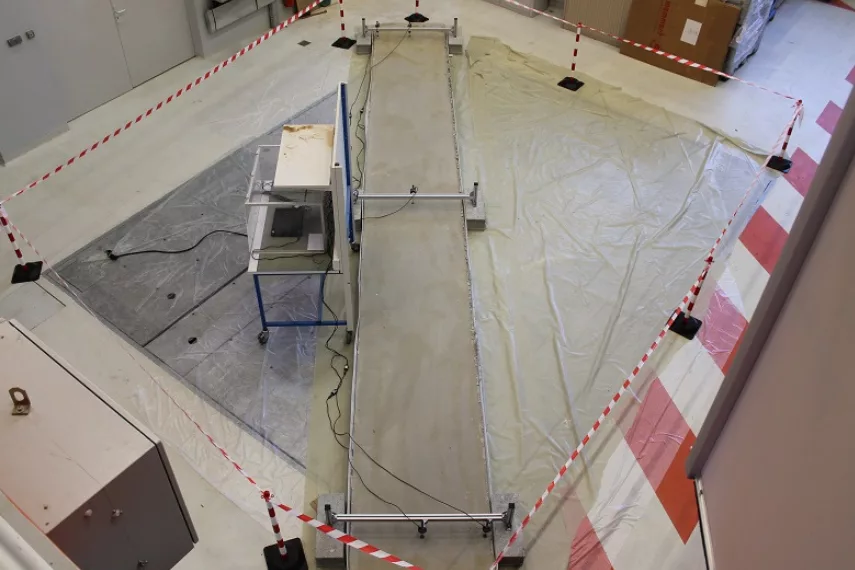
400 measuring and testing equipment
Alternative materials
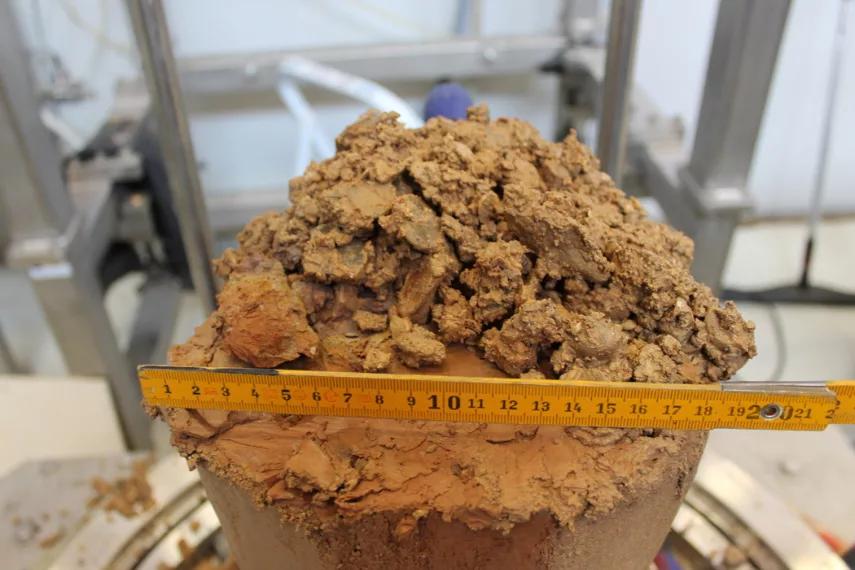
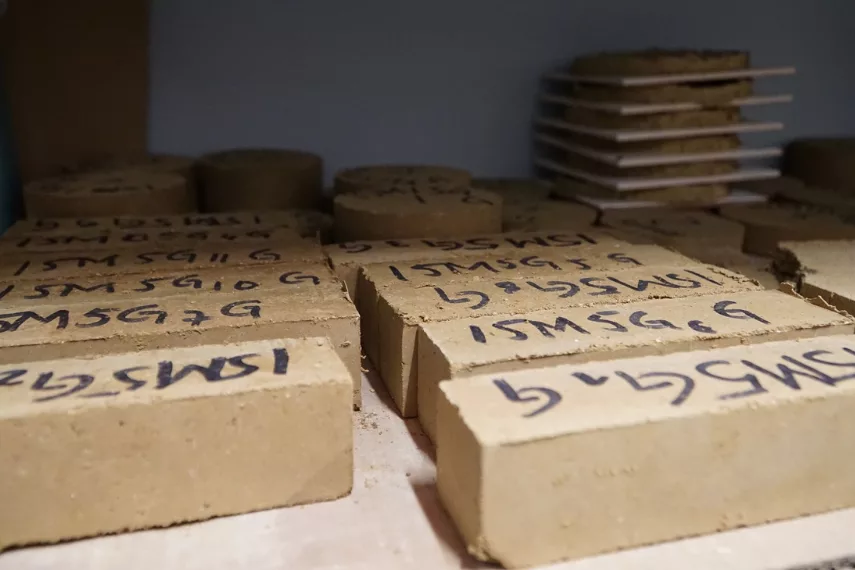
CAPACITIES supports enterprises in the development of these materials by integrating new construction material formulations. She studies their fresh properties (manability, usability) and hardened state (mechanical properties, physicochemicals, durability), from the scale of the test piece to that of the structural element. The valued materials may include excavated land, port sediment or recycled aggregates. The studies also cover: reduction in the amount of cement used (clinker) and the search for alternatives to this type of binder.
Quality and environmental benefits
- Materials offering interesting physico-chemical propertiesin particular for the thermal and water comfort
- Reduction in the use of primary resources through materials enhancement
- Reduction of air pollution andcarbon impact of processed materials
- Life cycle analysis of materials to compare solutions and take into account all the impacts of their manufacture and end of life