Alternative materials
Afoco promotes all by-products from the processing of industrial alternative materials. The aim is to enhance these alternative materials in industry, the BTP, to replace traditional materials taken from the natural environment.

Crystallized blast furnace dairy
Generation of crystallized blast furnace slag
The blast furnace slag is produced by integrated steel plants, known as « Of cast iron ». The production of cast iron is done by reducing iron ores, rich in oxides, in a mixture with coke (combustible and reducing) and CaCO3 limestone (using the role of melting) in a vertical furnace at which hot air is infused.
Under heat the limestone breaks down into CaO lime (calcium oxide) which reacts with the impurities of the ore, including silica, alumina and other oxides.
The process works continuously: by density effect, the cast iron accumulates at the bottom of the blast furnace, while the lighter slag consists of non-ferrous elements (lime, silica, alumina and mineral additives) supernatant. The slag is then separated from the cast by extraction, in the form of liquid rock at a temperature of about 1500°C. Production of one tonne of cast iron generates about 250 to 300 kg of slag.
Types of use
- Granulats in road technology, for use in form layers and pavements
- Granulates for certain concretes, bituminous or rail ballasts
- Basic component in the manufacture of rock wool
Why use crystallized blast furnace dairy?
- Reduction of the environmental footprint of steel production through the recovery of co-products in a circular economy logic;
- Mechanical and thermal performance;
- Reinforced thermal insulation of concrete;
- Reduction of foundation structures and savings.
Further information

High-Glass/vitrified lettuce
Generation of granulated-vitrified blast furnace slag
The blast furnace slag is produced by integrated steel plants, known as « Of cast iron ». The production of cast iron is done by reducing iron ores, rich in oxides, in a mixture with coke (combustible and reducing) and CaCO3 limestone (using the role of melting) in a vertical furnace at which hot air is infused.
Under heat the limestone breaks down into CaO lime (calcium oxide) which reacts with the impurities of the ore, including silica, alumina and other oxides.
The process works continuously: by density effect, the cast iron accumulates at the bottom of the blast furnace, while the lighter slag consists of non-ferrous elements (lime, silica, alumina and mineral additives) supernatant. The slag is then separated from the cast by extraction, in the form of liquid rock at a temperature of about 1500°C. Production of one tonne of cast iron generates about 250 to 300 kg of slag.
Types of use
- In concrete: incorporated in finely ground form, partially replacing cement
- In road infrastructure: used in the manufacture of hydraulic severes or as the main component of road hydraulic binders
- In cement production: partial replacement of clinker in CEM II and CEM III cements
- In the glass industry: as a source of alumina and silica
- In the production of shot abrasives: for the surface treatment of metals, replacing natural sands, with the health advantage of the absence of free silica
Why use granulated/vitrified blast furnace dairy?
- Improves the durability of concrete and limits the degradation of reinforcements;
- Reduces CO2 emissions by reducing the proportion of clinker, the production of which is very energy efficient;
- Improves the performance of concretes: higher mechanical resistance in the long term, increased durability, low permeability, more homogeneous aesthetic appearance, better fire resistance.
Further information
Secondary metallurgy dairy: pocket slag
Generation of pocket slag
Pocket dairy is the dairy that is formed during refining and grading of steel after melting in the oven. Liquid steel is treated in a refining facility by adding addition, desulphurisation and deoxidation elements such as lime or dolomite, ferroalloys (aluminium, silicon) or l-argon.
The formed slag then absorbs impurities such as sulphur, phosphorus and oxides. When refining is completed (about 1700°C), steel is sent to a continuous casting machine or ingots to produce slabs, blooms, billets or ingots. The liquid slag is poured into a pit or a tank for cooling. Secondary metallurgy milks are very basic, with a basicity index of 1.6 to 1.8 (CaO/SiO2 ratio).
The production of one tonne of refined steel generates 15 to 25 kg of pocket slag, but this amount depends heavily on the steel grade and refining process (wider range, 10 to 90 kg/t) depending on the process, the quality of the load and the metallurgical objectives.
Types of use
- Particle corrector: recovery, after characterisation, in combination with other dairy products in order to ensure compliance with existing standards
- Construction of uncoated tracks: rural roads, haulage roads, agricultural roads, forest roads and various tracks
- Development in specific sectors: soil acid correction in agriculture, soil treatment (stabilization and improvement), cement industry, carbonation and CO2 capture
- Steel mill recycling because of their lime and alumina content.
Why use pocket dairy?
- Benefit from excellent mechanical performance for unpaved roads and low-traffic infrastructure (rural, forestry, agricultural, track, etc.);
- May be valued in combination with other dairy, as a granulometric corrector;
- Reduce environmental impact through the use of sustainable materials in substitution for natural resources;
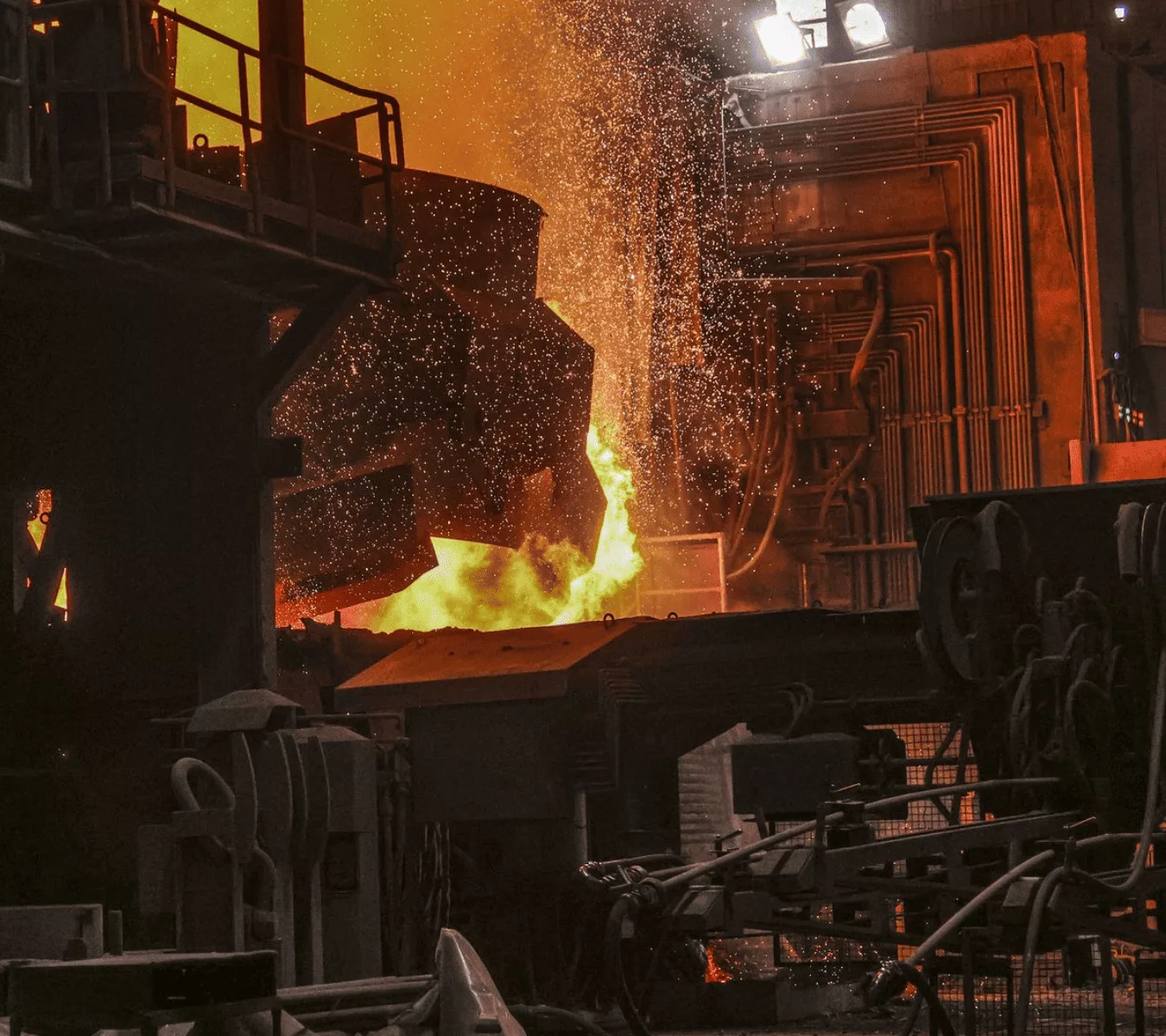
Electric furnace dairy
Generation of electric furnace slag
Electric furnace slag is a co-product of steel manufacture from recycled scrap molten in an electric arc furnace. Steel production by this process takes place in several stages:
- Loading the oven: the oven is filled mainly with recycled scrap (sometimes supplemented by pre-reduced iron (DRI/HBI) or cast iron).
- Fusion: three graphite electrodes create an electric arc that generates very high temperatures, up to 3,000 °C at arc level. This energy allows the metal load to melt quickly.
- Refinement and adjustment of the composition: once the liquid metal has been obtained, ferroalloys (ferromanganese, ferrosilicium, ferrochrome, etc.) are added to obtain the desired steel grade.
- When the melting is complete (temperature of about 1600°C), steel is sent to a continuous casting machine to produce slabs, blooms or billets, and the liquid slag is poured into a pit or in a tank for cooling. The production of one tonne of steel generates about 90 to 130 kg of slag depending on the process, the quality of the load and the metallurgical objectives.
Types of use
- Road technology: embankments, sublayers, pavements, tank carriageways, oil coated and surface coated
- Industrial platform: Platforms and layers of shape, including concrete slabs
- Hydraulic work: draining trenches, infiltration wells, dikes, rockings and masks weight
- Manufacturing: composition of rock wool
Why use electric furnace slag
- Constant and homogeneous characteristics;
- High-quality geotechnical performance, often superior to many natural materials;
- Proximity industrial resource, regular and sustainable, allowing continuous availability;
- Cost of production very competitive thanks to controlled industrial production;
- Controlled and supervised environmental impact, contributing to the preservation of natural mineral resources
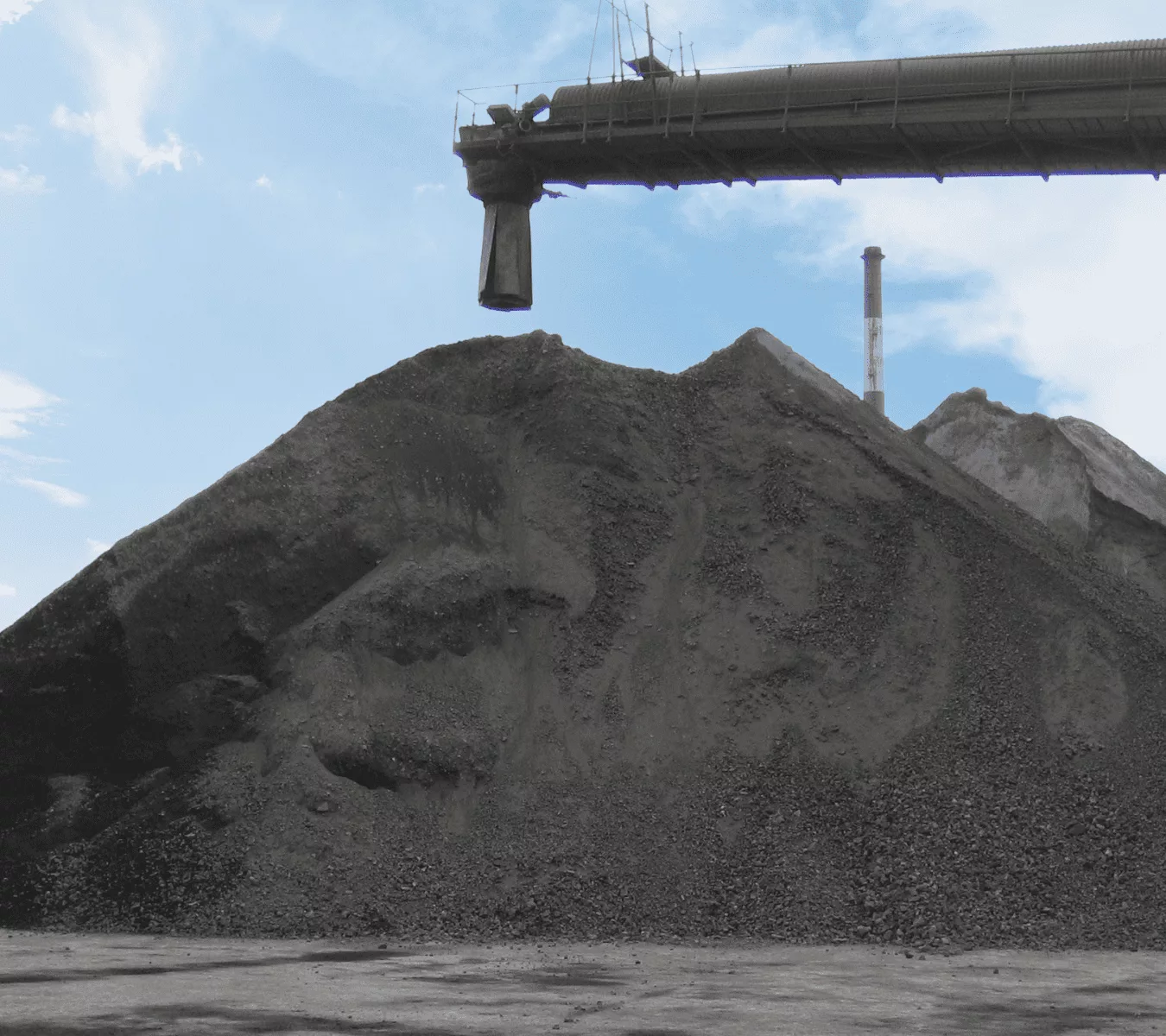
Conversion dairy
Generation of conversion steel mill dairy (LAC or LD)
After the smelting of the blast furnace, it is transported in a pocket car to the converter where it is transformed into steel. Due to its high carbon content, cast iron presents a fragility limiting its applications. It is therefore necessary to lower the carbon content in order to obtain steel. The most commonly used method is oxidation by oxygen blowing. Liquid cast iron is introduced into a converter with recovery scrap and lime used as melt (temperature rise).
After the apparatus has been closed, oxygen is infused from the top of the converter (the Linz-Donawitz (LD) procedure): the carbon oxide and is eliminated in gaseous form (CO2) during an exothermic reaction.
When the desired carbon content is reached, additions of alloy elements are made to obtain the desired steel grade. The production of LD slag is about 100 kg of slag per tonne of steel.
Types of use
- Road technology and public works: used as embankment, as well as in hydraulic structures (digues, banks, banks). It is also suitable for uncoated tracks and non-logged low-traffic rolling layers.
- Tar coatings: Its hardness and its LA, MDE and PSV characteristics allow its integration into the coatings to improve the adhesion and durability of the heavily stressed carriageways.
- Road hydraulic links (LHR): its free lime content gives it a reactivity exploitable as a constituent of LHR according to NF EN 13282-2.
- Agriculture: used as a basic amendment on crops and meadows, alone or associated with compatible phosphate and potassium fertilizers. NF U44-001, in the basic steel amendments category (Class IV).
Why use conversion slag?
- Constant and homogeneous mechanical and environmental characteristics;
- Geotechnical performance « high-end » ;
- High density (infrastructure sustainability);
- Very competitive cost of production;
- Controlled and supervised environmental impact, contributing to the preservation of natural mineral resources
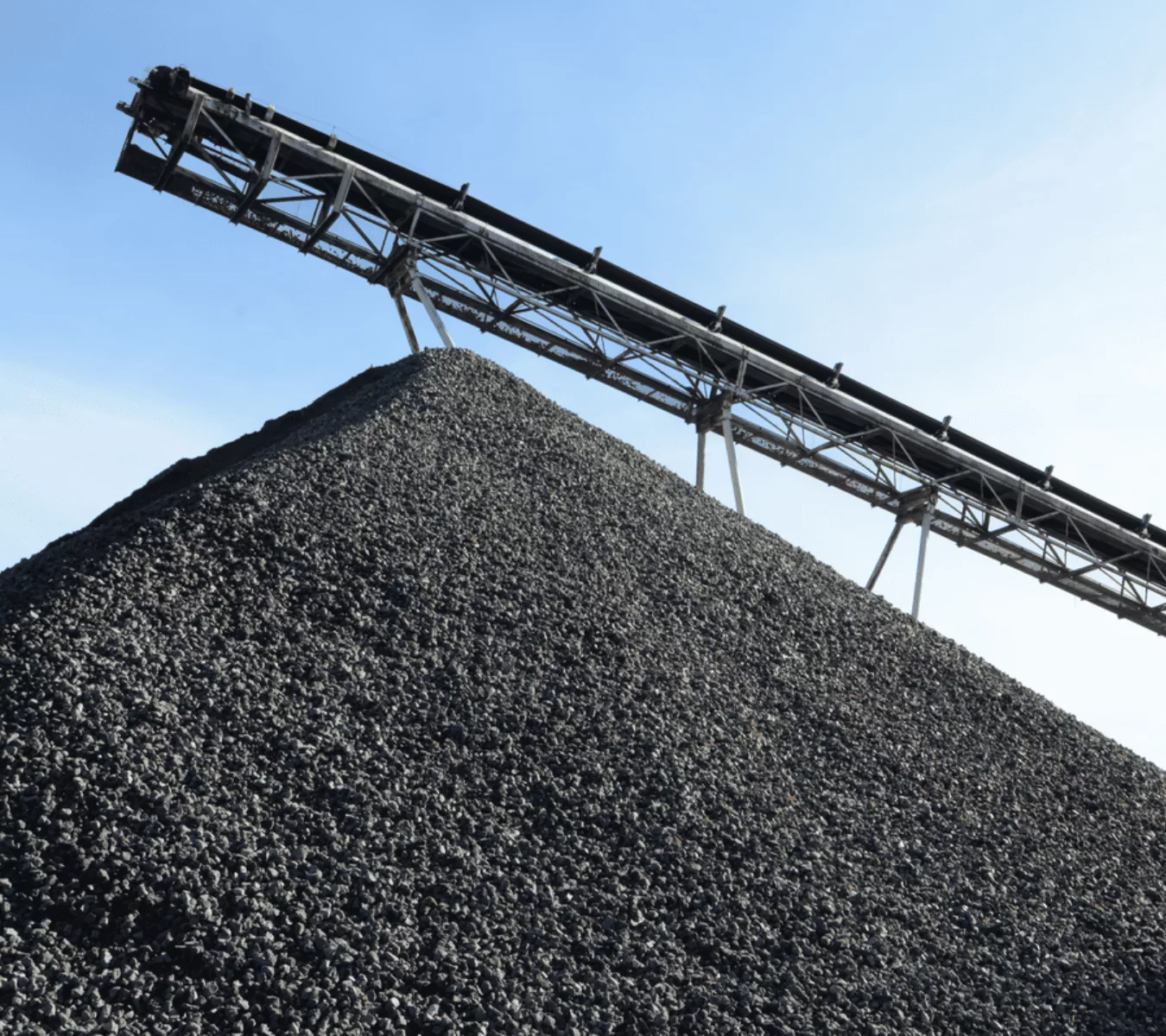
High-furnace dairy from historical craziers
Generation of blast furnace dairy from historical craziers
Historical crassiers are deposits of steel dairy from the production of cast iron and steel in the 19th and 20th centuries, especially in Lorraine. With the development of crushing, screening and metal separation techniques, these former deposits can now be used as secondary mineral deposits.
Iron ore is heated in the presence of melts during blast furnace production. The non-metallic components of the ore and additions form the blast furnace slag. At the outlet of the blast furnace, the liquid slag is cooled according to two means which determine its properties: slow air cooling (crystal milk) and sudden water cooling (vitrified milk).
The materials constituting the old crass are mainly associated with the crystallized and slowly cooled forms. However, a historical cracker is not necessarily a homogeneous material. Its composition depends on the production period, the ore and the melts used, the successive steel processes, the cooling mode and the storage conditions.
Types of use
- Road technologies: embankments, trenches, shape layers, base and foundation layers, and rolling layers
- Development: logistics and industrial platforms, technical embankments or draining works
The choice of use must always be based on the characteristics of the material produced and the technical and environmental requirements of the proposed application.
Why use blast furnace slag from historical craziers?
- Upgrading of existing anthropogenic deposits;
- Preservation of natural mineral resources;
- Reintegration of the material into the economy, rather than its final storage;
- Locality interest, allowing a short circuit logic of materials;
- Separation of metal fractions (economic and qualitative).
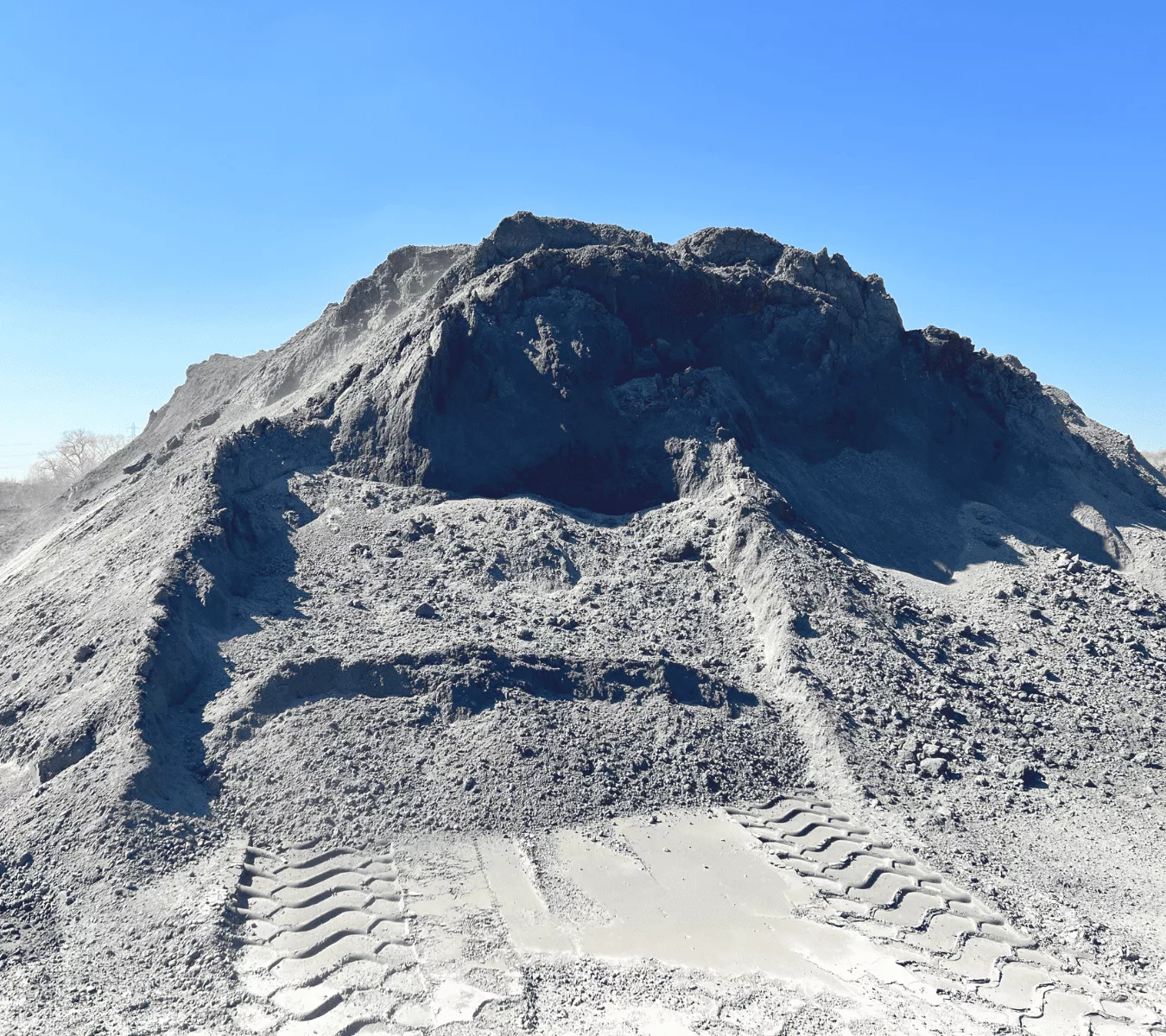
Wet coal ash
Generation of wet charcoal ash (flying)
Fly ash is produced during the combustion of sprayed coal in thermal power plants at temperatures between 1,200 and 1,500 °C. Minerals contained in coal, such as silica, alumina and iron oxides, melt partially and then vitrify during rapid cooling in combustion gases. This transformation generates very fine particles, usually spherical, driven by smoke. Ash is recovered by dust removal systems, such as electrofilters or sleeve filters, before gases are released into the atmosphere.
Types of use
- Betons: in concrete as a type 2 addition to partially replace cement for its puzzolanic properties
- In road technology: as a component of road hydraulic binders, in embankment or in sublayer form
- Cementery: as far as possible constituting cements
Why use blast furnace slag from historical craziers?
- Pozzolanic properties and fine particle size
promoting their responsiveness; - Improving the mechanical performance of soils;
- Reduced plasticity and improved soil stability;
- Increased durability of the shape and shape layers
foundation; - Development of an industrial by-product, contributing to
waste reuse and reduction approach.

Ash from biomass combustion
Generation of ash from biomass combustion
Fly ash is produced during the combustion of sprayed coal in thermal power plants at temperatures between 1,200 and 1,500 °C. Minerals contained in coal, such as silica, alumina and iron oxides, melt partially and then vitrify during rapid cooling in combustion gases. This transformation generates very fine particles, usually spherical, driven by smoke. Ash is recovered by dust removal systems, such as electrofilters or sleeve filters, before gases are released into the atmosphere.
Types of use
- Bagasse ash: mineral addition potential in cements, mortars and concretes, partially replacing clinker or fly ash of coal
- Ash pellets: potential in low carbon ternary binders, blast furnace slag binders, metakaolin binders, supersulphate cements and road binders
- Ready-to-use concrete and prefabricated products: development path to be studied with caution, integrating the constraints of rheology, water demand, chlorides, sulphates and durability.
- Road technologies: possible incorporation into road binders or treated severes
Why use ash from biomass combustion?
- Pozzolan effect and mineral addition potential for bagasse ash after mechanical activation;
- Potential for activation of slag or metakaolin binders for pellet ash through sulphates and chlorides;
- Potential reduction of clinker and hence carbon footprint of locally formulated binders;
- Creation of a network of secondary raw materials for cement, concrete, prefabrication and public works.
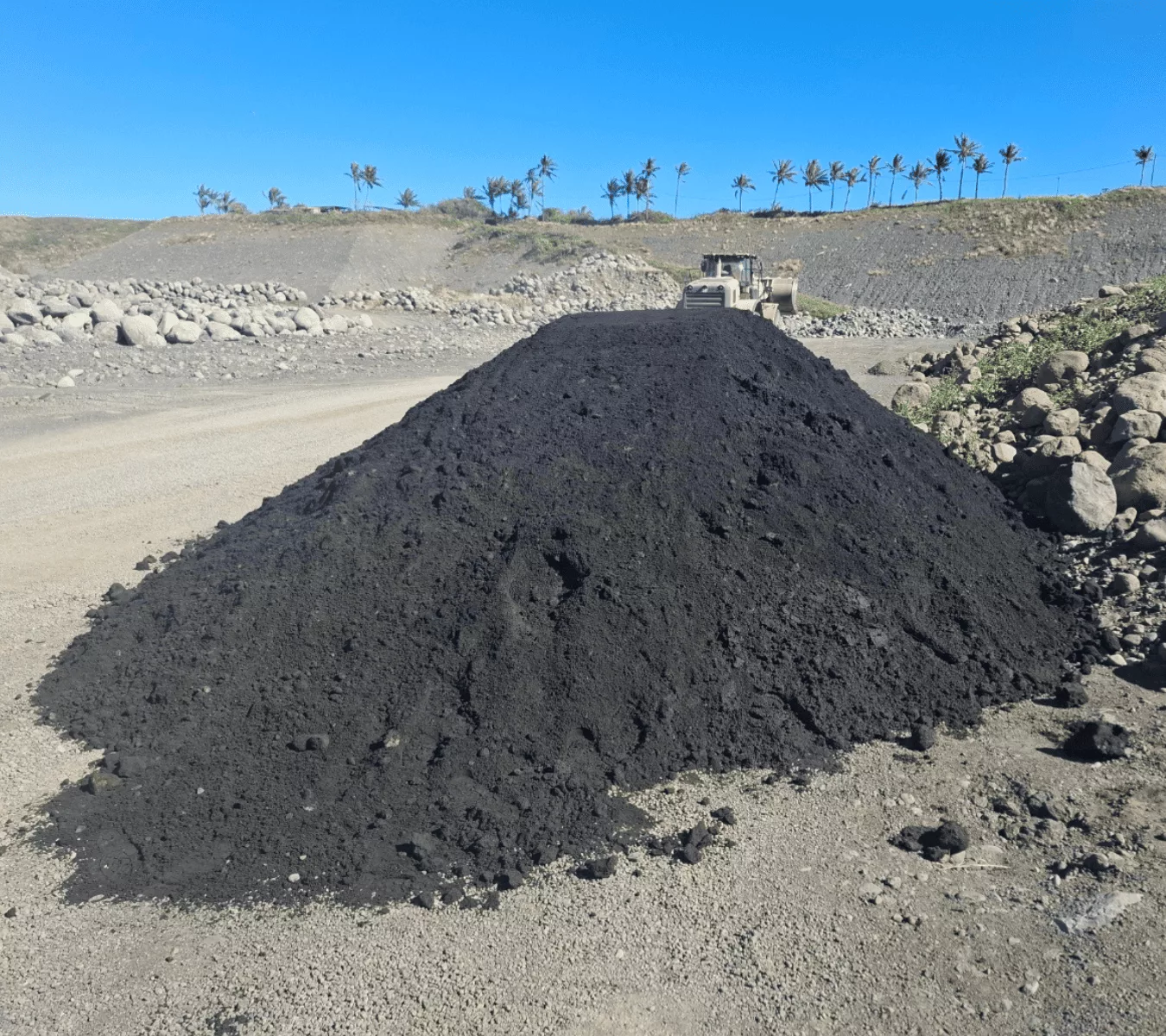
Biomass combustion scories
Generation of slag from biomass combustion
Biomass slags are the coarse mineral fractions recovered from boilers in low part during solid biomass combustion. At La Réunion, they are mainly associated with the burning of certified pellets of wood. They are distinguished from fly ash by their coarser particle size and their priority vocation in granular chains, particularly in road techniques.
Types of use
- Road technologies: integration into severe sublayers, shape layers or platform materials, after verification of mechanical, environmental and sanitary performance.
- Mixtures of slag and severe recycled: usage pertinent pour créer un matériau local de substitution aux granulats naturels, notamment dans les opérations d’aménagement et de VRD.
- Liants routiers ou matériaux traités : une piste complémentaire à instruire lorsque les scories sont associées à des cendres ou à un liant hydraulique, sous réserve de maîtrise des sulfates, chlorures, de la teneur en carbone et des performances de lixiviation.
- Usages non structurels : plateformes industrielles, remblais sélectionnés, accès chantier, zones de stockage, sous réserve de conformité aux exigences géotechniques et environnementales du projet.
Why use ash from biomass combustion?
- Réduction de l’enfouissement en ISDI et sécurisation d’un débouché local pour un flux récurrent ;
- Compatibilité avec les graves recyclées de béton et les usages de travaux publics peu sensibles ;
- Amélioration possible de la portance des mélanges granulaires, sous réserve d’une formulation adaptée ;
- Valorisation locale cohérente avec les politiques publiques de réduction carbone et d’économie circulaire.
Further information
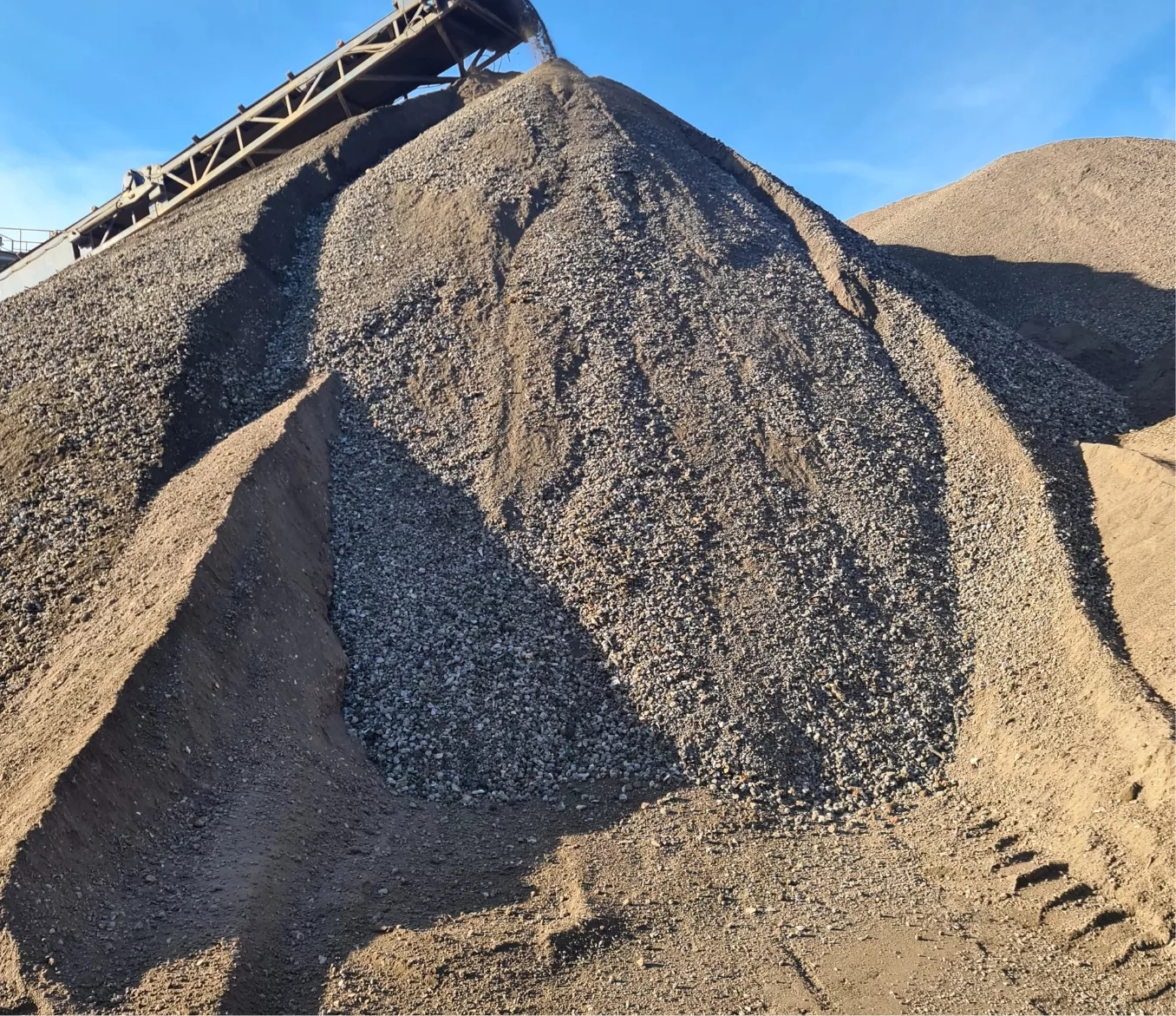
Mâchefers d'incinération de déchets non dangereux (MIDND)
Génération des MIDND
Les mâchefers d’incinération de déchets non dangereux proviennent de l’extraction des matières solides en sortie du four des installations de traitement thermique de déchets non dangereux (déchets ménagers). Ils sont recueillis séparément des cendres volantes et des cendres sous chaudière. Le gisement annuel de mâchefers bruts peut être estimé à environ 2,6 millions de tonnes, ce qui représente entre 15 et 20 % en poids brut des déchets incinérés. Actuellement, environ 90 % des mâchefers bruts produits sont valorisés dans le secteur des travaux publics, soit environ 2,3 millions de tonnes1.
Types of use
- Réalisation des remblais et des couches de forme
- Formulations de bétons non structuraux (VRD)
- Blocs légo en béton
Pourquoi utiliser des MIDND ?
- Valoriser un déchet en ressource : transformer les MIDND en matériau secondaire après traitement et maturation ;
- Préserver les ressources naturelles : substituer une partie des granulats naturels issus des carrières ;
- Décarboner les infrastructures : réduire les impacts liés à l’extraction, au traitement et au transport des matériaux
- Développer de nouveaux usages : intégrer les MIDND dans certaines applications, notamment les bétons non structuraux
Further information
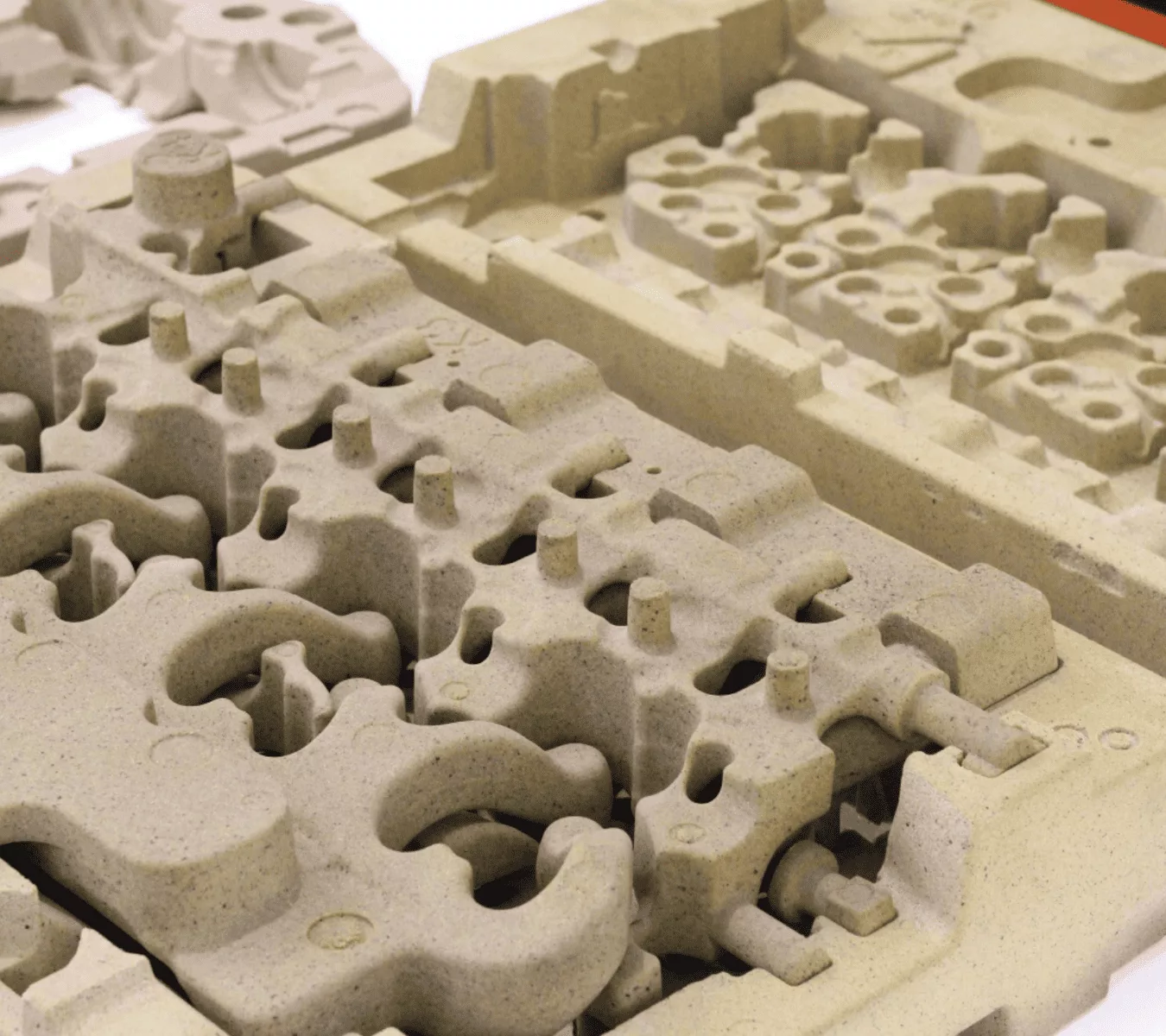
Sable de fonderie « sable à prise chimique »
Génération des sables à prise chimique
Les sables de fonderie à prise chimique sont générés par les fonderies qui utilisent des procédés de moulage et de noyautage dans lesquels les grains de sable sont assemblés à l’aide de liants chimiques. Ils proviennent principalement de la fabrication des moules et des noyaux, du décochage des pièces métalliques, du dessablage et des opérations de recyclage ou de régénération du sable.
L’industrie de la fonderie produit des pièces métalliques en remplissant une empreinte avec un alliage en fusion. Le moule est conçu pour reproduire la géométrie extérieure de la pièce, tandis que les noyaux permettent de former les cavités internes.
Le sable à prise chimique est un matériau réfractaire destiné principalement à la fabrication de moules et de noyaux pour la coulée de métaux tels que la fonte, l’acier, l’aluminium, le bronze ou d’autres alliages. Les sables de fonderie destinés à la valorisation sont issus des opérations de moulage et de noyautage au sable, généralement siliceux, lié chimiquement. Après la coulée du métal et le décochage, le sable est récupéré et régénéré. Les fractions non réutilisables dans le circuit de fonderie, en raison de leur dégradation, de leur granulométrie ou de la présence de résidus de liant, sont extraites pour être valorisées dans d’autres filières, sous réserve de leur caractérisation et de leur compatibilité avec l’usage visé.
Types of use
- Road technology: utilisation en correction granulaire, comme matériau de substitution aux granulats naturels
- Cementery: valorisation minérale (apport en silice SiO2, alumine Al2O2 et fer AL203 pour le clinker) et apport énergétique partiel via le charbon résiduel
- Briqueterie : incorporation dans la pâte d'argile pour réguler le retrait à la cuisson et améliorer la plasticité
- Bétons et mortiers : substitution partielle du sable naturel dans la fabrication de bétons non structurels ou de pavés d'extérieur.
Pourquoi utiliser des sables à prise chimique ?
- En technique routière : utilisation optimale en mélange avec d'autres matériaux pour combler les vides et augmenter la portance globale ;
- En cimenterie : sa haute teneur en silice permet de l'utiliser directement comme matière première de substitution dans la fabrication du clinker de ciment ;
- En béton et mortiers : substitution partielle au sable naturel dans les bétons, mortiers, blocs, pavés et produits préfabriqués ;
- En briqueterie : substitution partielle des matières premières minérales et valorisation énergétique des résidus organiques ;
Further information
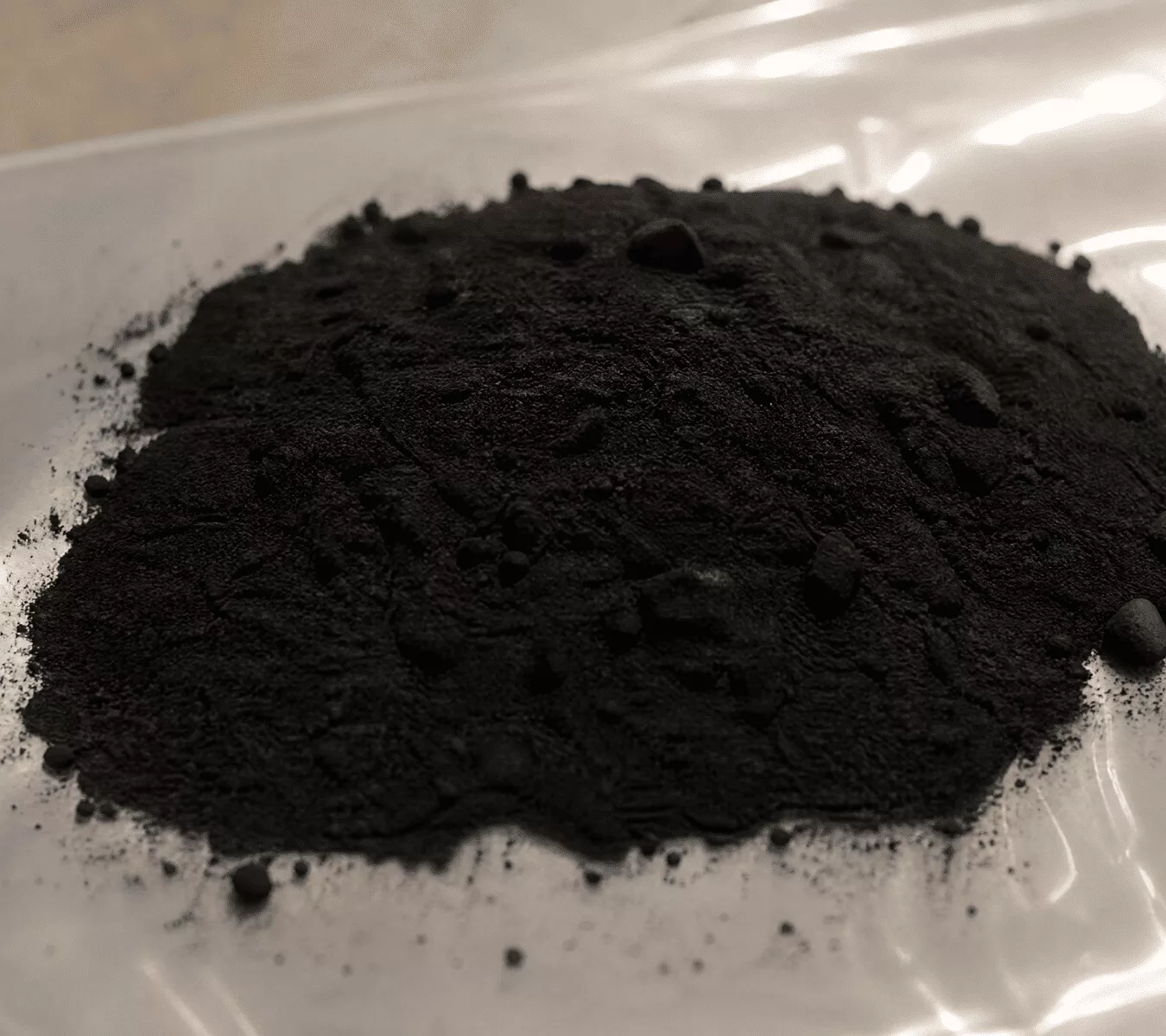
Sable de fonderie : « sable à vert »
Génération des sables à vert
Les sables de fonderie à vert usés sont issus de la fabrication de moules dits « à vert » (en raison de l’humidité conservée par le mélange au moment de la coulée). Contrairement aux sables à prise chimique, leur cohésion ne repose pas sur une réaction de polymérisation ou de durcissement synthétique, mais sur un liant minéral naturel constitué d'argile (principalement de la bentonite activée par l'eau) et de poussier de charbon.
Les sables usés de fonderie sont issus des opérations de moulage, de noyautage, de décochage, de dessablage et de régénération des sables utilisés pour la fabrication de pièces métalliques par coulée d’alliages en fusion.
Le sable à vert est un matériau réfractaire utilisé principalement en fonderie pour mouler des pièces métalliques (fonte, bronze, aluminium, etc.).
1. Le sable est compacté autour d'un modèle pour former l'empreinte de la pièce.
2. Le métal en fusion est coulé dans le moule.
3. Au contact du métal brûlant (souvent à plus de 1300 °C), une partie de la bentonite perd définitivement ses propriétés d'agglomération (elle est « dévitalisée ») et les additifs brûlent.
4. Lors du décochage (démoulage de la pièce refroidie), le moule est détruit par vibration. Une grande partie du sable décoché est dépoussiérée, refroidie et réintroduite dans le circuit pour être remalaxée avec un complément d'eau et de bentonite neuve. La fraction trop dégradée ou trop fine qui ne peut plus être recyclée sur place est extraite du circuit.
Types of use
- Road technology: utilisation en correction granulaire, comme matériau de substitution aux granulats naturels; La présence de bentonite inactive peut nécessiter un mélange avec des granulats naturels ou un traitement aux liants hydrauliques (chaux/ciment) ;
- Cementery: valorisation minérale (apport en silice SiO2, alumine Al2O2 et fer AL203 pour le clinker) et apport énergétique partiel via le charbon résiduel ;
- Briqueterie : incorporation dans la pâte d'argile pour réguler le retrait à la cuisson et améliorer la plasticité ;
- Bétons et mortiers : Substitution partielle du sable naturel dans la fabrication de bétons non structurels ou de pavés d'extérieur.
Pourquoi utiliser des sables à vert ?
- En technique routière : utilisation optimale en mélange avec d'autres matériaux pour combler les vides et augmenter la portance globale ;
- En cimenterie : comme matière première de substitution dans la fabrication du clinker de ciment ;
- En béton : utilisé comme filler, il améliore la compacité, néanmoins la présence de bentonite augmente la consommation d’eau entraînant une perte de résistance mécanique nécessitant d’ajouter plus de plastifiants ;
- En briqueterie : joue un rôle d’anti-retrait des argiles naturelles et améliore la phase de séchage.
Further information
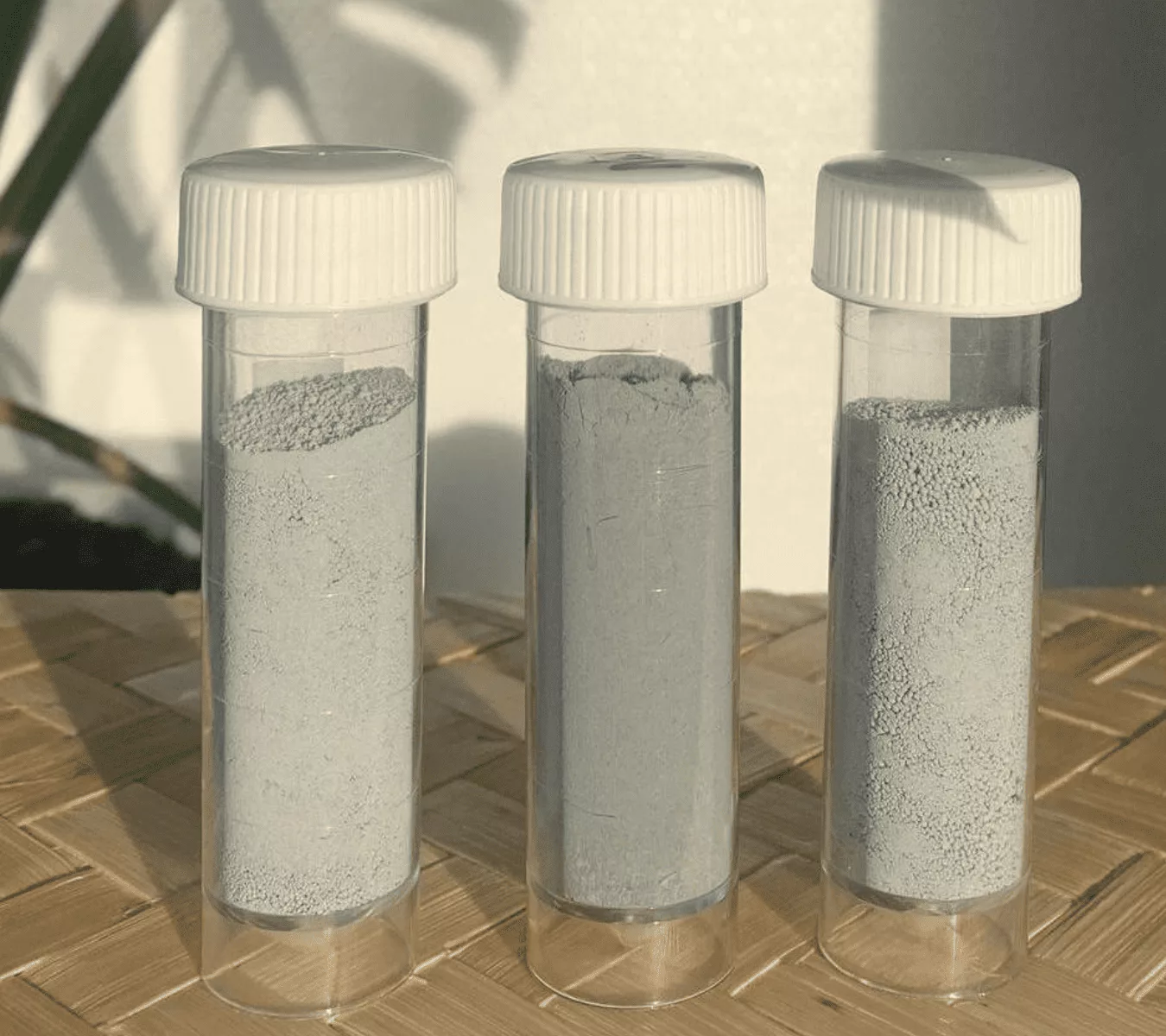
Silica smoke
Génération de la fumée de silice
La fumée de silice est un co-produit recueilli par filtration lors du processus de fabrication du silicium métal dans des fours à arc.
La fumée de silice non densifiée (ND) a une densité apparente faible qui rend sa manipulation difficile. Par un traitement de densification, il est possible d’augmenter sa densité apparente et ainsi faciliter son transport, son stockage et sa manipulation. La densification peut être mécanique (DM ≈ 450 kg/m3) ou pneumatique (DP ≈ 650 kg/m3) et ne change pas les propriétés physico-chimiques du produit. Lors de son introduction au malaxeur, la fumée de silice retrouve sa densité initiale.
La fumée de silice est également disponible sous forme de slurry : suspension aqueuse composée à 50 % en masse de fumée de silice. Le slurry est un produit stable dans le temps, avec une basse viscosité et donc facile à pomper et à utiliser. Son procédé de fabrication conduit à un produit très finement dispersé dans l’eau et donc dans le béton lors du malaxage.
Types of use
- Bétons à haute et ultra haute performance (augmentation des performances)
- Bétons projetés (amélioration du rebond)
- Bétons résistants aux agressions externes
- Bétons à faible empreinte carbone
- Ciment/Fibrociment
Pourquoi utiliser la fumée de silice ?
- Augmentation des résistances ;
- Amélioration de la compacité (E/L plus faible) ;
- Diminution de la porosité ;
- Amélioration de la durabilité (carbonatation, attaque chlorure, alcali-réaction, réaction sulfatique interne, résistance aux agressions chimiques, gel/dégel, chaleur d’hydratation) ;
- Amélioration de la finition du parement : plus lisse et homogène ;
- Diminution du rebond (béton projeté).
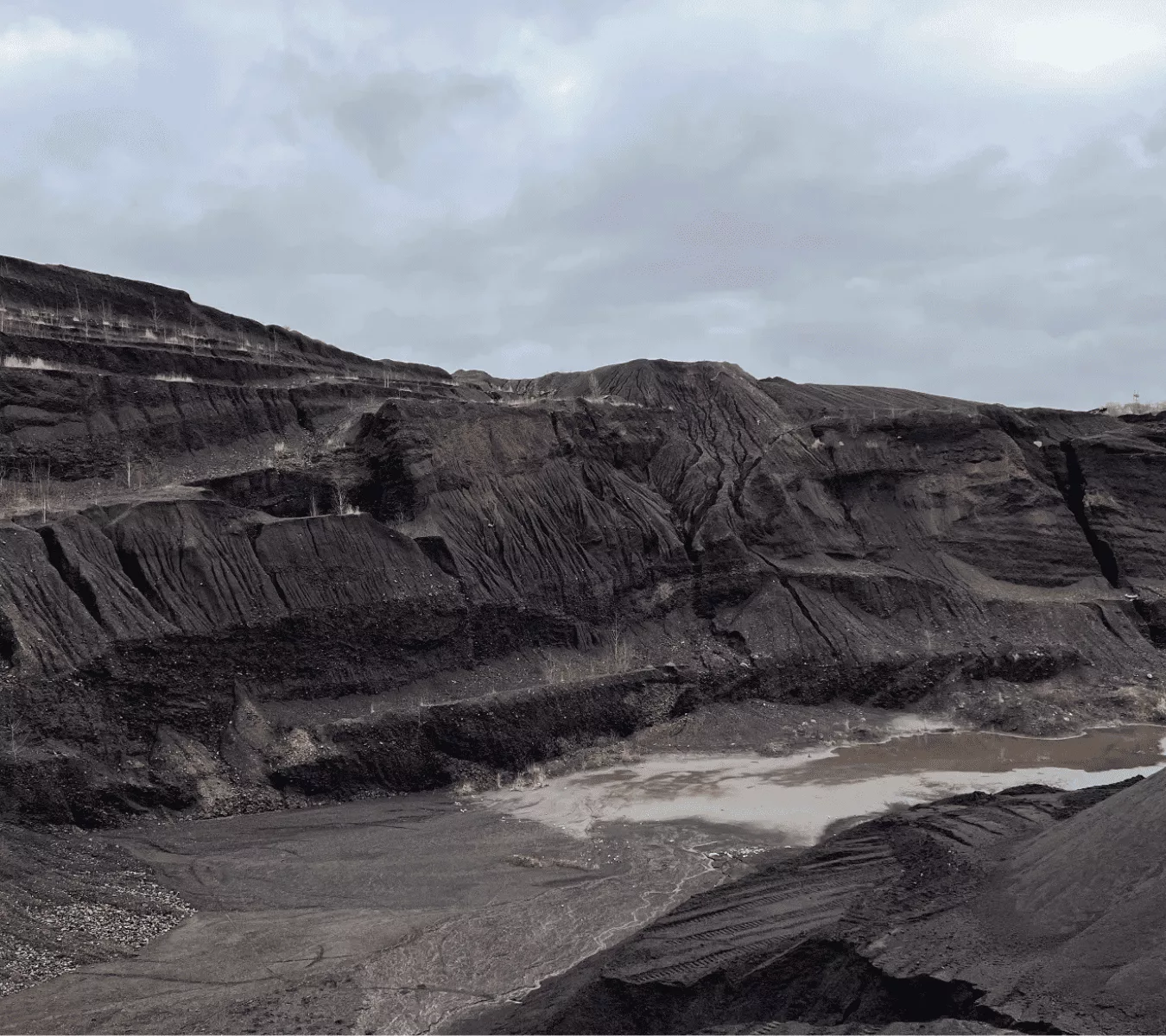
Coal shales
Coal shales are alternative materials from the coal industry. These are the rocks extracted at the same time as the main product which is coal.
Further information
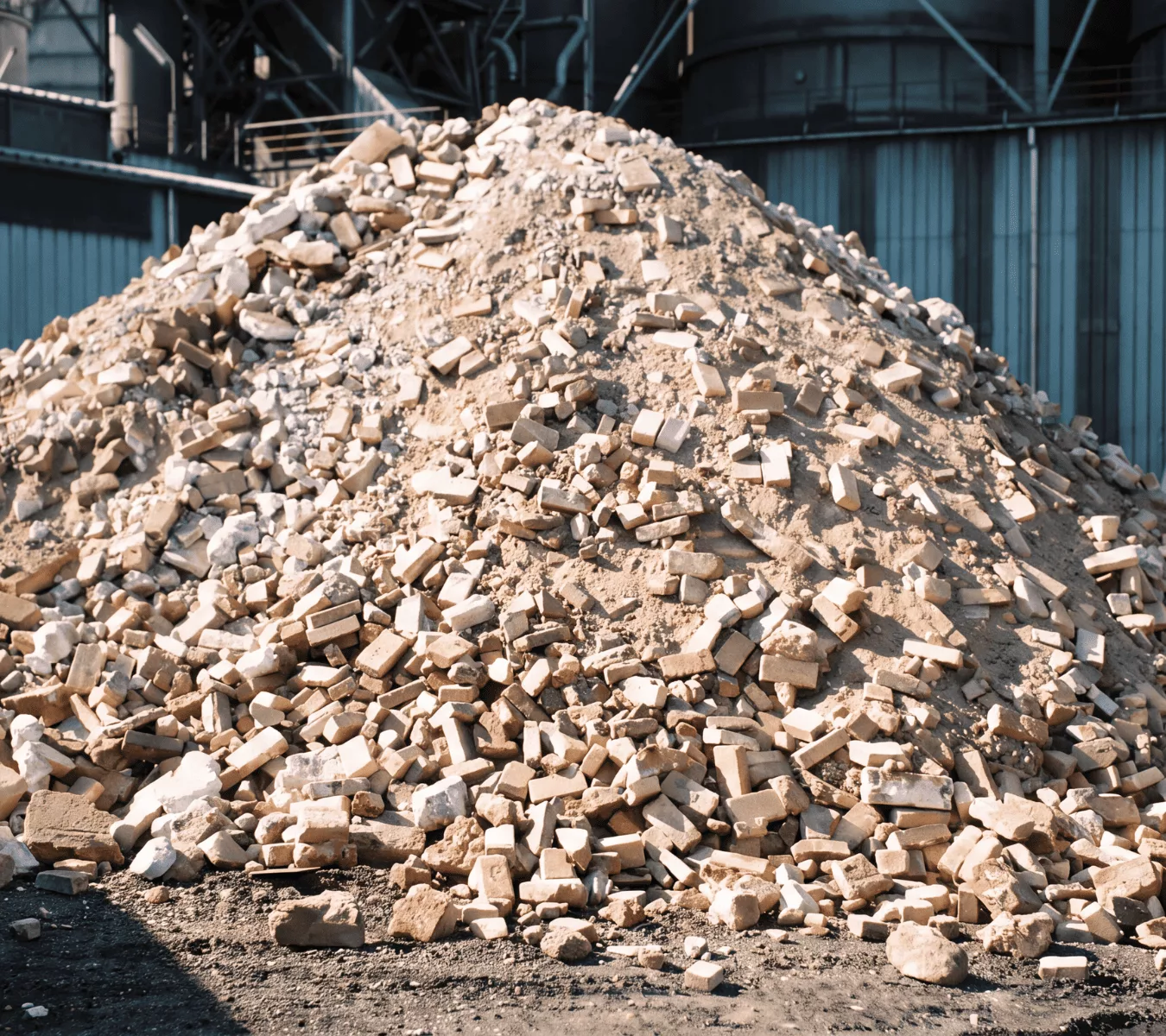
Used refractories
Used refractory coatings have very high temperature resistance properties. They are used for the creation and repair of any facility requiring heat conservation and resistance to high temperatures.
Further information